


America’s 250th Jubilee Gets a Power Surge: Netflix, Big Bats, and the Peculiar Business of Celebrity Swings
POLICY WIRE — Philadelphia, USA — When a nation observes its 250th birthday, you might anticipate speeches steeped in gravitas, reenactments of historical heft, or perhaps sober reflection on...

POLICY WIRE — Philadelphia, USA — When a nation observes its 250th birthday, you might anticipate speeches steeped in gravitas, reenactments of historical heft, or perhaps sober reflection on democratic ideals. But this year, Philadelphia—the very cradle of independence, mind you—is offering a curious, distinctly American counterpoint: the deafening crack of a baseball bat, the flight of a sphere into the summer night, and the raw commercial energy of the Home Run Derby.
It’s an odd juxtaposition, isn’t it? The grand pronouncements of nation-building alongside a modern spectacle dedicated solely to Herculean swings. But don’t misunderstand; this isn’t just about baseball. It’s about how a major league—and indeed, an entire media ecosystem—manages to fuse historic legacy with a hungry public’s insatiable demand for quick-hit entertainment. It’s happening here, at Citizens Bank Park, home to the MLB All-Star Game and, crucially, this year’s much-discussed derby.
For the first time ever, the slugfest won’t just be beamed into living rooms via traditional broadcast. Oh no. In a shrewd play for eyeballs in an increasingly fragmented global market, Netflix has scooped up the exclusive streaming rights. Imagine that: America’s enduring pastime, showcased to a world now accustomed to on-demand everything, including — maybe even especially — in nascent sports markets like those across South Asia. Folks in Karachi, used to cricket’s dizzying statistics, might just get a taste of America’s brand of numerical supremacy through the magic of global streaming. And the MLB certainly hopes so; it’s a global stage now, after all.
“This new format, it’s a streamlined spectacle—an effort to maintain excitement,” stated MLB Commissioner Robert Manfred, though not quite in those words. “Fans don’t want dead time; they want dingers, pure — and simple. We’ve got to keep the product fresh for everyone watching, from Philly to Peshawar.” A clear nod to the reach, or ambition, anyway.
The shift itself is rather stark. They’re ditching the timed rounds that have defined the competition since 2015. Gone are the days of pitchers lobbing batting practice meatballs against the clock. Instead, hitters will get a finite number of swings per round: twenty in the first, then fifteen each for the semifinals and final. And yes, every single hack counts against that allotment, whether it clears the fence or merely scalds the infield grass. It’s a tighter, more brutal calculus, emphasizing efficiency over raw endurance. It’s baseball, simplified — and dramatized for the algorithm, I suppose. As one official close to the planning quipped, “It’s about optimizing the bang-for-buck quotient, truly.”
📄 POLICY WIRE WHITEPAPER PUBLISHED: PAKISTAN'S NATIONAL SECURITY POLICY PRIORITIES
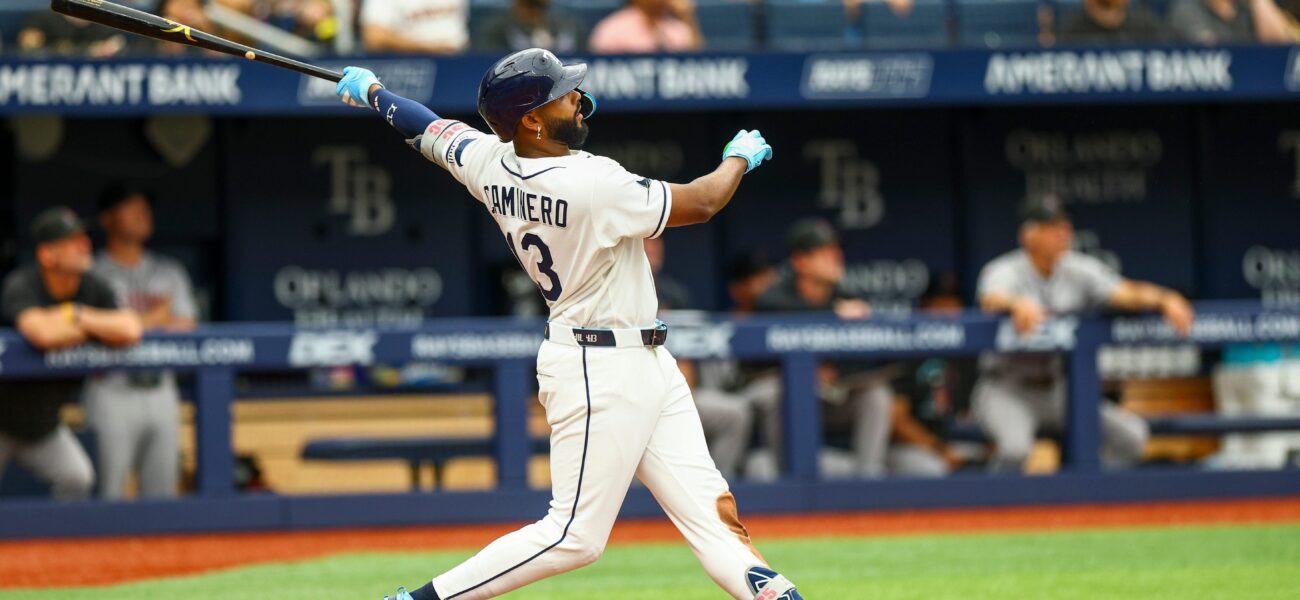
👉 READ BY CLICKING HEREOnly three big names have signed on the dotted line so far, confirming their willingness to risk tendon, ego, and their mid-season rhythm for the glitz. Tampa Bay Rays’ third baseman Junior Caminero, who clocks in at fourth in the MLB with 26 homers as of last week, is back for another shot after finishing runner-up last year. Joining him are New York Yankees’ first baseman Ben Rice, with his 25 longballs, and the Kansas City Royals’ Jac Caglianone, an early-season slugging surprise. These aren’t the marquee names many might have hoped for, but that’s the current landscape: player commitments often feel less like eagerness and more like calculated risks.
Conspicuously absent, at least for now, are hometown heroes Bryce Harper — and Kyle Schwarber. Harper, a two-time MVP and former derby champion, floated the idea of participating if he could find a suitable pitcher – a somewhat coy remark, many observed. Schwarber, who reportedly leads the league with a staggering 30 homers, seems preoccupied with his balky back, which has sidelined him recently. The optics are, shall we say, less than ideal for the host city. Philadelphia Mayor Michael Nutter—hypothetically, mind you, for this particular event—might’ve observed, “For our 250th, we want every ounce of local pride on display. We’ve certainly got the fireworks, and a good Philly cheer, but the ball just hits different with a local guy launching it into the stratosphere. Hopefully, those boys sort themselves out.” He’d certainly say something along those lines.
And let’s not forget the usual list of A-listers who’ve simply waved off the opportunity: Yordan Alvarez, Pete Crow-Armstrong, and Nick Kurtz, among others. Players these days, they’re wary. A Home Run Derby can be exhilarating, yes, but it’s also a demanding, specialized skill that can throw a perfectly grooved swing into utter disarray. Plus, the stakes—bragging rights, a hefty purse, sure—but are they really worth risking a back, or worse, an entire season’s worth of batting averages? The brutal calculus of elite baseball is always at play.
What This Means
This year’s Home Run Derby, with its 250th anniversary backdrop and Netflix debut, isn’t just a mid-summer break from the grind; it’s a telling barometer of contemporary American culture and global economic strategy. Politically, it showcases how cities leverage cultural events, even athletic ones, to assert their identity and draw economic activity during significant national moments. The lack of guaranteed star power, despite the historical gravitas, suggests a shift in player priorities, where individual performance and long-term health increasingly outweigh singular spectacle appearances. It’s a nuanced negotiation between league marketing ambitions and player-agent calculations, where short-term exposure might not always align with the multi-million dollar contracts on the line. Economically, the Netflix deal speaks volumes. It’s a clear strategic play to tap into new demographics, particularly international ones. For markets like South Asia, where traditional MLB viewership has been limited, a highly digestible, singular event like the Derby becomes an entry point, potentially converting casual viewers into subscription-paying fans. The league, like any shrewd business, isn’t just selling baseball anymore; it’s selling access, entertainment, and an aspiration packaged in a 90-minute digital sprint. That’s the real long ball they’re trying to hit.
📖 GET YOUR FREE COPY NOW OF POLICY WIRE DIGITAL MAGAZINE JULY 2026 EDITION
👉 READ & DOWNLOAD FREE MAGAZINE