

As New Mexico Swelters, a Bell Tolls for Global Climate Strategy
POLICY WIRE — Santa Fe, N.M. — It’s a familiar seasonal ballet here in the Land of Enchantment, rain washing over scorched earth. But beneath the routine forecast of showers and thunderstorms—and a...

POLICY WIRE — Santa Fe, N.M. — It’s a familiar seasonal ballet here in the Land of Enchantment, rain washing over scorched earth. But beneath the routine forecast of showers and thunderstorms—and a moderate heat risk brewing for folks in New Mexico’s lower elevations this week—lies something far more disquieting: a raw, exposed nerve of climate vulnerability that reverberates from the American Southwest to the farthest reaches of the globe.
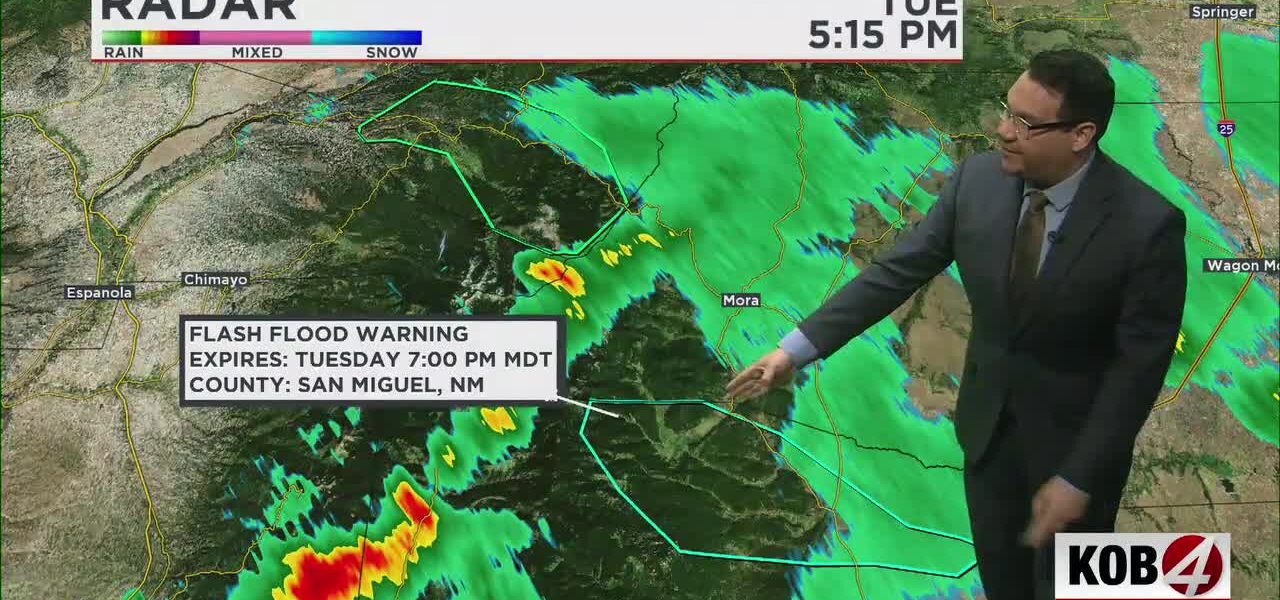
It’s not just a weather report anymore. Not truly. What was once simple meteorology has become a stark policy ledger. Every forecast of monsoonal moisture dousing fire-ravaged hillsides carries an immediate, chilling addendum: flash flood risk. Every red-tinged heat map isn’t just a guide for your summer wardrobe; it’s a siren for vulnerable populations—the elderly, the chronically ill, and anyone without air conditioning—straining local health resources.
And because the arid American West is on the front lines of what’s changing, this routine, cyclical pattern takes on an almost cynical edge. They’re telling us to expect these daily downpours, a bit of relief perhaps, but those precious drops just can’t sink into parched, hydrophobic soil, courtesy of years of intense wildfires. It’s like pouring water onto a concrete slab, isn’t it? The runoff carves new, dangerous paths, churning ash — and debris into a destructive sludge. The state’s burn scars, some from record-setting infernos just last year, act less like land and more like giant, unstable catchment areas, ready to unleash their muddy wrath at the slightest provocation. It’s a low to moderate flash flood risk, they say. But in those areas, low can still mean life-altering. Because it doesn’t take much.
The mercury is set to climb too, especially from Wednesday onwards. Lower elevations? They’ll feel it most. It’s a familiar summer tune for New Mexicans, yes, but its tempo is speeding up. A growing number of scientific assessments, including a 2023 report from the National Oceanic and Atmospheric Administration (NOAA), indicate that extreme heat events in the U.S. have increased by 20% since the 1980s. That’s a measurable jump. That’s real, tangible data about hotter days, longer spells, — and what it does to bodies and budgets. And you know who truly bears the brunt? The working poor. Those without robust health plans. Anyone whose employer doesn’t care much for heatstroke.
Governor Michelle Lujan Grisham, never one to mince words, recently quipped during a briefing, “We’re not just tracking rain; we’re managing a year-round crisis. Our state’s landscape is changing, — and so must our approach to public safety and resource management. We’re fighting fires with everything we’ve got, then fighting floods with the same gusto. It’s an unsustainable dance without serious federal partnership and, frankly, a national reckoning on what we’re doing to our climate.” Her exasperation wasn’t hard to hear.
But there’s a distinct feeling from some corners—a local, more grounded perspective that views statewide pronouncements with a touch of skepticism. Take Senator Jim White (R-Sandia Foothills), for example, whose constituents frequently battle these seasonal shifts. “Look, people out here, we’re practical. We don’t need more pronouncements from the capitol, we need immediate action. Flash flood mitigation. Heat centers that are actually funded. Not talk about ‘reckonings’ when someone’s home is knee-deep in mud or they can’t afford their cooling bill. Local communities bear the brunt. We need effective, on-the-ground support, not just long-range forecasts, when these systems roll through.” He makes a valid point, doesn’t he? Immediate pain vs. abstract policy.
It’s this duality of experience—the scientific prognosis clashing with immediate, localized demands—that speaks to a larger, global predicament. Consider Pakistan. Just two years ago, its populace faced historic, catastrophic monsoon floods, exacerbated by warming oceans and melting glaciers—a humanitarian catastrophe of staggering proportions, displacing millions. Much like New Mexico’s burned landscapes struggle to absorb rainfall, Pakistan’s vast, arid regions are now facing intensifying heatwaves and erratic monsoons, rendering them susceptible to both drought and devastating floods. The dynamics aren’t identical, sure, but the underlying mechanisms of a volatile, warming planet are strikingly similar. The poor, whether in Española or Balochistan, often bear the disproportionate impact.
📄 POLICY WIRE WHITEPAPER PUBLISHED: PAKISTAN'S NATIONAL SECURITY POLICY PRIORITIES
👉 READ BY CLICKING HEREWhat This Means
The situation in New Mexico isn’t just a regional weather anomaly; it’s a micro-snapshot of macro-trends that policymakers globally are grappling with. Economically, the cycle of fire and flood strains state and local budgets, diverting funds from education or infrastructure into emergency response and rebuilding. Property insurance rates soar, if coverage is even available. Public health systems are overwhelmed by heat-related illnesses and respiratory issues from lingering smoke or dust stirred by unusual winds. Politically, it creates a wedge, splitting efforts between immediate crisis management and long-term climate resilience. It pits local demands against broader, harder-to-define national strategies.
Because ultimately, these recurrent, intensifying natural events become diplomatic sticking points. They force richer nations to confront their role in a changing climate and the ensuing humanitarian crises unfolding worldwide. What happens in New Mexico—the heat, the floods over scars—becomes an inconvenient truth for global climate discussions, an everyday example of the very disruptions we’re told are coming. It’s a domestic affair with genuinely international ramifications, affecting everything from energy policy debates in Washington to development aid discussions focused on vulnerable nations.
And so, as the forecasters issue their daily warnings, it’s not merely a matter of grabbing an umbrella or finding shade. It’s a moment for genuine reflection on policy choices, both here and abroad, for how long can we just ‘manage’ the crisis before the crisis truly manages us? You might want to grab your umbrella. Or maybe a few more long-term contingency plans. Check out the unfolding drama of geopolitics and gold in global sports—it’s often another angle on similar pressures, just under different lights.