


Shadows and Sirens: Israel’s Arab Towns Confront Decades of Neglect as Crime Surges
POLICY WIRE — TEL AVIV, Israel — The squeal of tires and barked commands used to be the soundtrack of another Friday night for folks in some Israeli Arab towns. But lately, those sounds signify a bit...

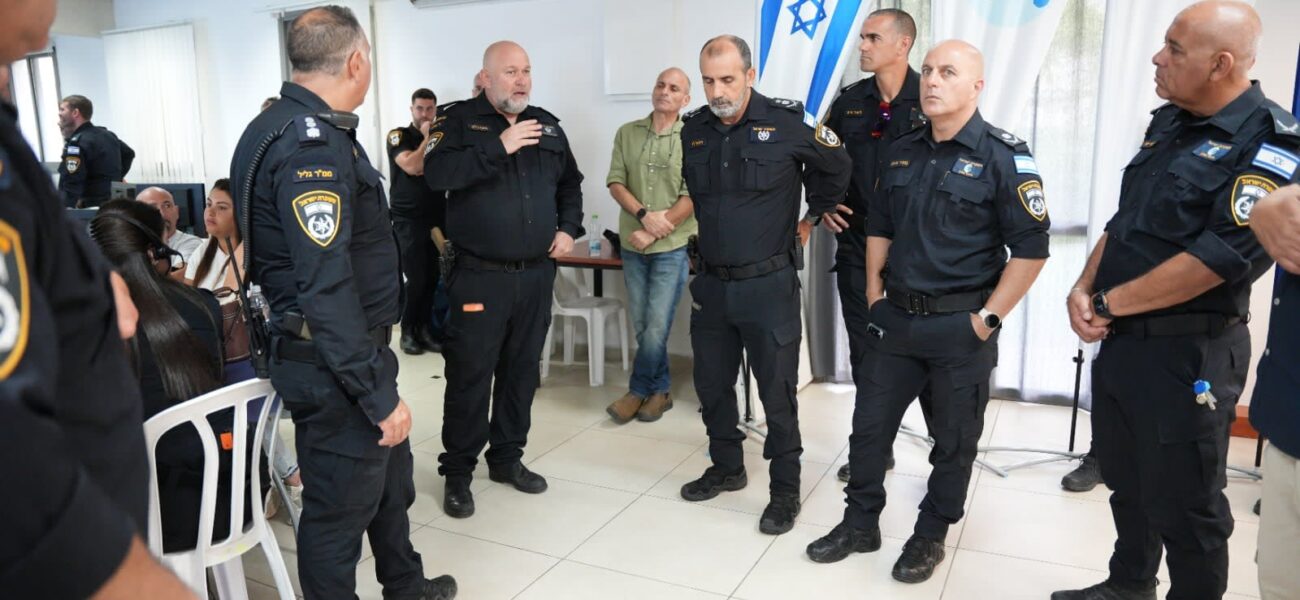
POLICY WIRE — TEL AVIV, Israel — The squeal of tires and barked commands used to be the soundtrack of another Friday night for folks in some Israeli Arab towns. But lately, those sounds signify a bit more than just a typical bust. They’re the sharp prelude to a deeper narrative, a tale of simmering frustrations and organized crime that’s gone from whispers to shouts, challenging the state’s very writ.
It isn’t merely about confiscated vehicles or stacks of illicit firearms anymore. That’s just the final, visible chapter. This ongoing police crackdown, often spotlighting communities in the Arab sector, feels less like a sudden operation and more like a reckoning, a bitter harvest of decades spent on the fringes—socially, economically, and sometimes, legally. And it’s not just a localized problem; similar stories echo across various marginalized Muslim communities worldwide, where economic exclusion often creates fertile ground for shadow economies. Pakistan, for example, faces its own battles against illicit trade and extremist elements feeding on socioeconomic despair in certain regions.
For too long, the internal security calculus seemingly prioritized other threats. Now, the monsters under the bed, if you will, have grown too big to ignore. The recent actions saw Israeli Police seize vehicles — and weapons caches in multiple locations. But, for critics, these operations, however necessary, feel a bit like shutting the barn door long after the prized mare’s bolted.
“Look, we’ve given them resources. We’ve talked. But when it comes down to brass tacks, a firearm is a firearm,” stated Superintendent Eliyahu Hillel, a spokesperson for the Israel National Police, his voice edged with a blend of fatigue and resolve. “We aren’t negotiating with gang leaders. This isn’t community engagement anymore; it’s a reclamation of the street. Nobody’s above the law.” His point is clear: The rule of law has to apply, no exceptions.
But the story isn’t that simple, of course. “They parade seized weapons for the cameras, yes. But where were the investments, the real, tangible commitment to our young people when they were begging for a shot at a decent life?” asked Sami Abu Haniyeh, an Arab-Israeli council member from a Northern district, speaking with a weary frustration that’s all too familiar. “They show up with the SWAT teams after a generation has lost hope, then act surprised when crime flourishes. It’s performative, much of it.” His frustration points to a systemic issue many believe has allowed these criminal networks to calcify.
Because let’s be honest: crime doesn’t sprout from thin air. It thrives in voids—of governance, of opportunity, of trust. Over the past five years, reports from Israeli Police themselves indicate an astonishing 30% increase in gun-related homicides within Arab communities alone. That’s not just a statistic; it’s a terrifying testament to a society fraying at the seams, a slow-motion catastrophe many warned about for years. This isn’t just about guns; it’s about a deepening despair.
📄 POLICY WIRE WHITEPAPER PUBLISHED: PAKISTAN'S NATIONAL SECURITY POLICY PRIORITIES
👉 READ BY CLICKING HEREThe state’s response has often felt heavy-handed — and reactive rather than preventative. Critics argue that an ounce of prevention, in the form of meaningful socio-economic development programs, could have averted pounds of cure in police manpower and community anguish. The current operations are meant to assert state authority, yes, but they also bring with them—or expose—a simmering distrust. It’s a tricky balancing act between ensuring public safety and not alienating an entire segment of the population, a sentiment that sometimes parallels what you hear from groups pushing for political change across borders, from the dusty villages of Kashmir to urban centers in Afghanistan.
Sometimes, these moments of intense domestic focus pull back the curtain on how a nation truly manages its internal dynamics. Much like a specific raid in the West Bank, these incidents aren’t just isolated events; they’re symptoms, telling us a larger story about the push-and-pull of power and identity within complex national landscapes.
What This Means
This intensified crackdown represents more than just a policing action; it’s a profound political and social reckoning for Israel. Economically, the instability and violence stifle investment and development within Arab towns, perpetuating a cycle of poverty and illicit activity. This has a spillover effect, impacting regional stability — and inter-communal relations. Politically, the issue forces the Israeli government into a tough spot: critics on the right demand tougher action, while Arab leaders and their allies accuse the state of historical neglect and insufficient investment, leading to the current crisis. Success here isn’t just about seizing contraband; it’s about addressing the foundational issues—joblessness, lack of infrastructure, and a perceived dual justice system—that have festered for generations. Failure could exacerbate an already fragile internal social fabric, potentially fueling deeper resentments and making genuine coexistence even harder to achieve. For observers in the broader Muslim world, these crackdowns often confirm existing narratives about marginalized communities, impacting perceptions of Israel well beyond its borders, much like border beats elsewhere redefine political power.