


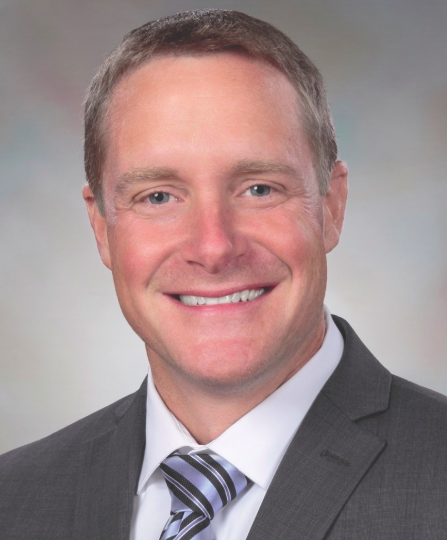
Dr. James Leonard on Why Healthcare Leaders Are Rethinking Urgent Care
By Dr. James Leonard, DO, FACEP, System Medical Director, Midwest Express Clinic Anyone working in healthcare today can see that patients face more barriers to care than they did just a few years...
By Dr. James Leonard, DO, FACEP, System Medical Director, Midwest Express Clinic
Anyone working in healthcare today can see that patients face more barriers to care than they did just a few years ago.
Whether it’s waiting weeks for a primary care appointment, spending hours in an emergency department or simply figuring out where to go for treatment, many patients are finding healthcare harder to access. At the same time, they expect healthcare to fit into their lives, not the other way around.
These challenges are not isolated. According to the Health Resources and Services Administration (HRSA), the United States is projected to face a shortage of more than 70,000 primary care physicians by 2038. Recent research also found that the average wait time for a physician appointment across major metropolitan markets has reached 31 days, the highest level recorded by the survey. Cost remains a barrier as well, with roughly one in six adults delaying or foregoing healthcare because of cost in 2024, according to KFF.
Taken together, these trends point to a larger issue. No single part of the healthcare system can solve today’s access challenges on its own.
Healthcare Access Requires a Broader Approach
Primary care shortages continue to affect communities across the country, making timely appointments harder to secure. Emergency departments remain under significant strain, often caring for patients whose needs could be addressed in lower-acuity settings. At the same time, many patients struggle to navigate an increasingly complex healthcare system.
When care isn’t readily available, patients often:
Delay necessary treatment.
Forgo care altogether.
Seek treatment in settings that aren’t best suited for their specific needs.
The result can be higher costs, poorer outcomes and greater frustration. Healthcare organizations will need a more connected network of care options that helps people receive the right care at the right time while reducing unnecessary strain across the healthcare system.
Patients Expect Healthcare to Work Differently
Most industries have spent the last decade making services easier to access and easier to navigate. Healthcare has made progress, but patients still face unnecessary friction when trying to find care.
Whether they’re scheduling appointments, communicating with providers or seeking care for an unexpected illness or injury, patients want options that fit their schedules and make timely care easier to access. Convenience is no longer simply a consumer preference. For many patients, it has become an important part of accessing healthcare in the first place.
Urgent Care Is Becoming a Critical Access Point
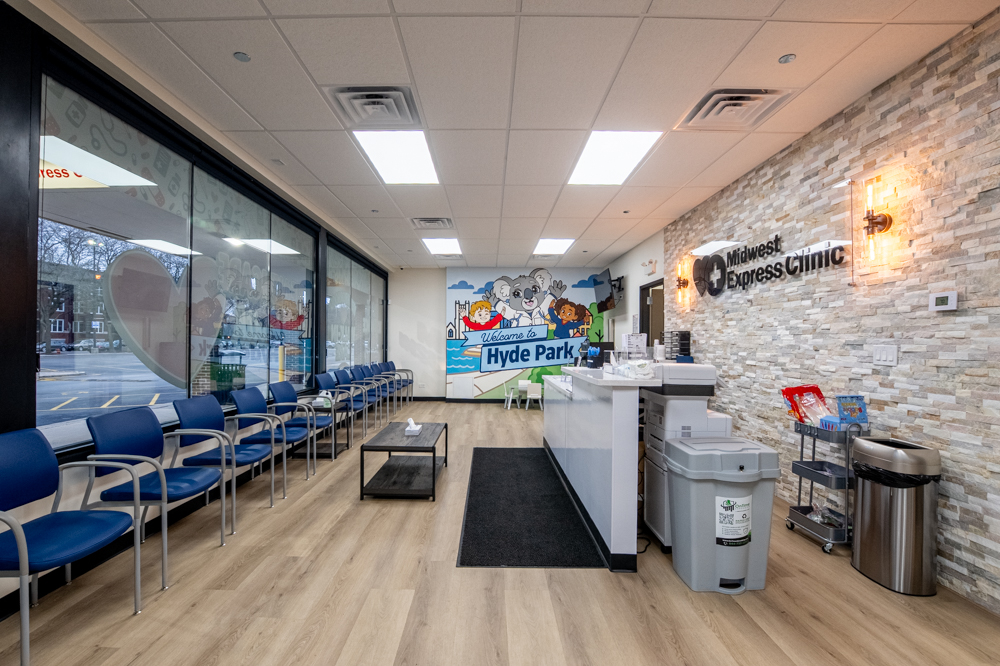
The role of urgent care has evolved over the past decade. What was once viewed primarily as a place to treat minor illnesses and injuries when a primary care office was unavailable has become something much broader. As access to primary care has become more challenging, many neighborhood walk-in clinics now serve as a regular point of care for everything from preventive services and routine testing to physicals, vaccinations and everyday healthcare needs.
📄 POLICY WIRE WHITEPAPER PUBLISHED: PAKISTAN'S NATIONAL SECURITY POLICY PRIORITIES
👉 READ BY CLICKING HEREWalk-in clinics are helping fill that gap by offering:
Same-day access to care.
Extended hours.
Convenient neighborhood locations.
These clinics help bridge gaps throughout the healthcare system while reducing pressure on other care settings. For many patients, neighborhood walk-in clinics are becoming a front door to healthcare. They’re no longer simply a convenient alternative when a primary care office isn’t available. For many patients, they’ve become a trusted place to receive care close to home.
That shift is reflected in patient behavior. Surveys have found that immediate availability and faster service are among the top reasons patients choose walk-in care settings. Just as importantly, walk-in clinics help address health concerns earlier, before they become more serious.
Patients aren’t looking for more healthcare options. They’re looking for the right care at the right time from providers they trust. That’s why walk-in care should be viewed as more than a convenience. It’s becoming a critical part of how communities improve access, strengthen continuity of care and build trust in the healthcare system.
Looking Ahead
The future of healthcare is not about one care setting replacing another. Primary care, specialty care, emergency medicine and walk-in clinics all have important roles to play.
The challenge for healthcare leaders is designing a system that is more connected, easier to navigate and better aligned with how patients seek care today. Community-based walk-in clinics are becoming a valuable part of that discussion, expanding access while supporting a more flexible healthcare system.
The question is no longer whether urgent care is simply a convenient alternative. It’s how neighborhood walk-in clinics can help strengthen access to healthcare and better support patients throughout their healthcare journey. Improving healthcare access remains one of healthcare’s defining challenges, and walk-in care will continue to play an important role in meeting it.
Author