


The Glitch in the Grand Design: When Internet Noise Silenced a Sporting God
POLICY WIRE — Atlanta, USA — One could argue it was merely a fleeting absurdity, a bizarre footnote in the sprawling, often cacophonous narrative of global sport. Yet, the images, once seen, lodge...

POLICY WIRE — Atlanta, USA — One could argue it was merely a fleeting absurdity, a bizarre footnote in the sprawling, often cacophonous narrative of global sport. Yet, the images, once seen, lodge themselves —indelible, unsettling. Lionel Messi, arguably the finest to ever lace up cleats, faced a penalty kick during Argentina’s tense World Cup showdown against Egypt. What played out wasn’t just a missed shot, but a chilling vignette showcasing the new, chaotic alchemy of fame: an internet personality, IShowSpeed, screaming like a banshee from the stands, successfully — or at least, apparently successfully—willing a legend’s error into being. It’s enough to make a seasoned observer wonder what, precisely, still holds sacred.
It wasn’t supposed to happen that way. Messi, adorned in the blue and white stripes of a nation that reveres him, had been in dazzling form throughout the tournament, bagging seven goals en route to the round of sixteen. He’s usually dependable, you know? But penalties, that’s where the script gets smudged sometimes. Here’s a raw statistic: a full 50% of the penalty kicks he’s attempted in the biggest football tournament on Earth haven’t found the net. For anyone else, that’d be a decent conversion rate. For a titan like Messi? It’s a blip. But it was this particular miss that captivated, because this wasn’t just a physical misstep. It was a cultural clash, loud — and undeniable.
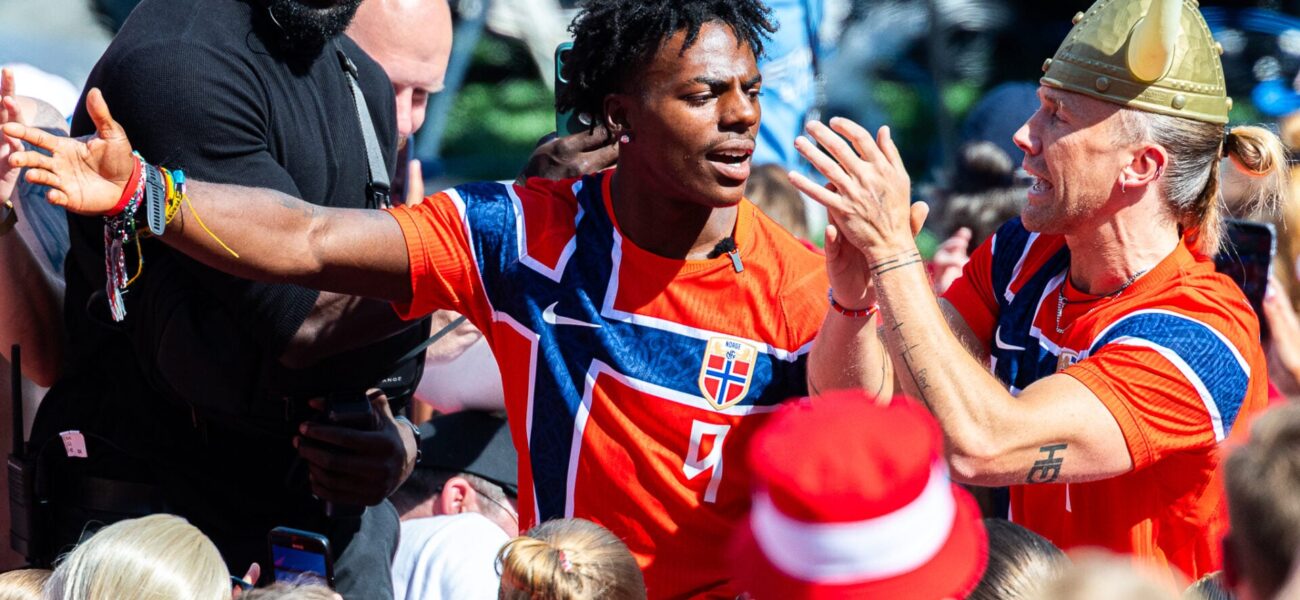
Because there was Speed. Dressed in an Egyptian jersey, arms flailing, face contorted in mock fury. He wasn’t subtle, not by a long shot. He was shouting, waving, even barking, a human-shaped distraction missile launched directly into Messi’s periphery. You had to ask: Did it actually matter? Was the GOAT genuinely swayed by a screaming, Gen-Z digital maven? Even Speed himself, caught in the immediate aftermath, seemed dumbfounded. “How did that work?!” he yelped into the cameras, almost apologetically. The audacity, the sheer irreverence of it all. But hey, it did make for a moment. It did go viral.
And while Messi managed to brush off the gaffe—eventually scoring in a thrilling 3-2 comeback victory—the image of an international superstar being momentarily unmoored by an online entertainer stuck. It gnaws at you, this bizarre juxtaposition. The spectacle wasn’t just on the pitch; it was in the meta-narrative, where digital performance art meets the age-old drama of competitive sport. What was once hallowed ground is now a backdrop for memes — and streaming antics. The venerable institutions of national pride and athletic prowess now share airspace with — well, whatever it’s Speed does.
Argentina’s Minister of Sport, Ignacio “Nacho” Flores, spoke later, trying to couch the incident in measured tones. “Our players are focused, naturally, on the task at hand,” Flores told Policy Wire, his voice tight. “But the global nature of these events means the world is literally watching. Every periphery becomes central. It’s… a challenge to maintain solemnity.” Conversely, Aisha Khalid, cultural attaché for Egypt, whose team—representing a nation steeped in ancient history and immense football passion across the broader Muslim world—fought admirably, had a different take. “Our boys played with their hearts,” she declared with fierce pride. “They weren’t swayed by a sideshow. Perhaps others, who demand more from their heroes, are surprised by such interruptions, but for us, it was about grit. We showed plenty.”
📄 POLICY WIRE WHITEPAPER PUBLISHED: PAKISTAN'S NATIONAL SECURITY POLICY PRIORITIES
👉 READ BY CLICKING HEREWhat This Means
The incident, if we can call it that, pulls back the curtain on something far more significant than just a missed penalty. It highlights the increasingly porous boundary between high culture — which, let’s face it, global sports like the World Cup absolutely are, especially in politically charged regions like South America and the Middle East — and low culture. Or perhaps, no culture at all, just digital noise. It suggests a future where sporting arenas aren’t just battlegrounds for athletic prowess, but stages for concurrent, monetized digital performances, complicating an already complex media ecosystem.
Politically, it stirs subtle currents. For nations like Egypt, whose national identity is so often tied to global visibility—be it through historical narratives or contemporary events—any perceived distraction from their sporting effort can be a touchy subject. The Muslim world, too, widely consumed the game, with audiences across Pakistan, the Levant, and North Africa dissecting every moment. They’re not just watching the score; they’re absorbing the whole chaotic pageant, forming opinions, sometimes quite visceral ones, about national honor and international standing. Because when a spectacle attracts millions globally, any blip can resonate. And economically? Influencers like IShowSpeed command immense attention, a form of soft power that can hijack narratives and redirect eyeballs, often bypassing traditional media gatekeepers entirely. This shifts advertising dollars, public discourse, and, in a strange way, even the perceived reality of a game.
And so, while Messi and Argentina soldiered on, securing their win, the episode serves as a stark reminder: the hallowed grounds of sport are no longer just for athletes. They’re an arena where digital celebrity, with its unpredictable bursts of chaos, can momentarily, and alarmingly, steal the show. It leaves one wondering what grand tradition is next for its own jarring interruption.