


Cricket’s ‘Mr. 360’ Ignites Debate: When Pure Passion Clashes With Billions in Play
POLICY WIRE — Johannesburg, South Africa — We’ve become accustomed to the glitzy unveilings, the multi-million dollar contracts, the sprawling endorsement empires that define modern professional...

POLICY WIRE — Johannesburg, South Africa — We’ve become accustomed to the glitzy unveilings, the multi-million dollar contracts, the sprawling endorsement empires that define modern professional sport. From Mumbai to Manchester, the narrative is rarely about altruism; it’s often a straightforward tale of talent monetized, of peak performance fetching peak dollars. Then, a voice cuts through the hum, an icon asserting that the universal lubricant of capitalism simply wasn’t his fuel. And that, frankly, makes you pause.
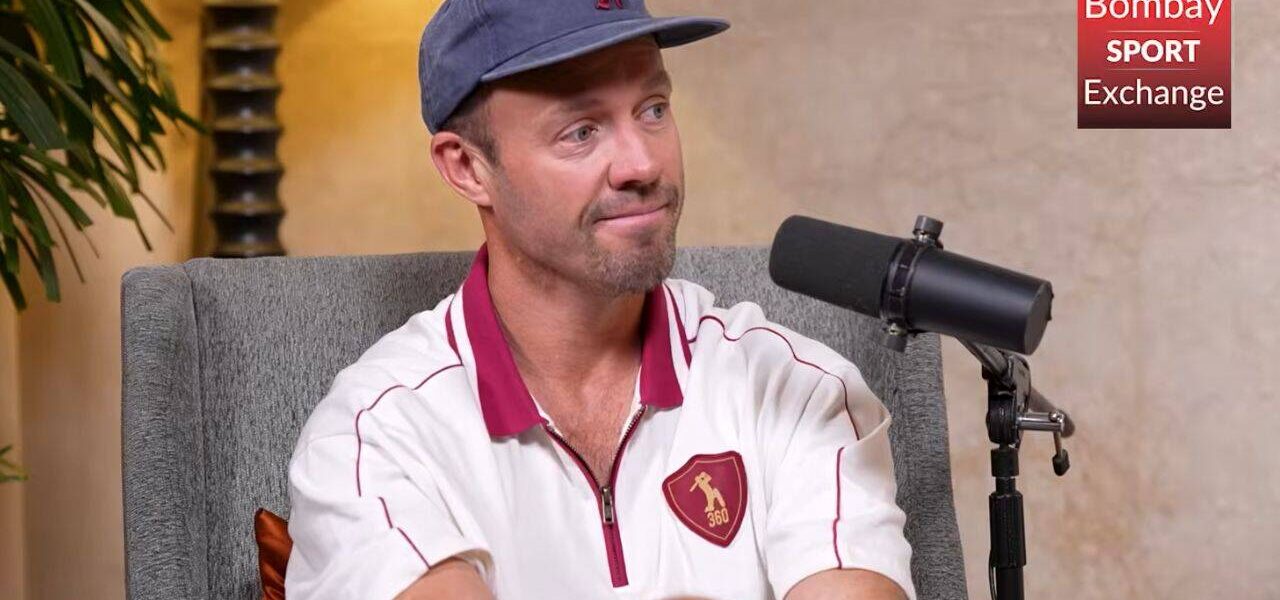
AB de Villiers, the South African cricketing wizard — ‘Mr. 360’ to his legion of adoring fans — recently tossed a rather incendiary device into the contemporary sporting discourse: ‘I never played for money,’ he stated, rather bluntly. Think about that for a second. This isn’t some Sunday league amateur. This is a man whose career spanned the gilded age of cricket, the era of the Indian Premier League (IPL)’s financial might, where six-figure contracts are the norm and seven figures, for stars like him, are practically automatic. Yet, he claims it wasn’t the zeroes in his bank account that motivated him.
It’s a statement that cuts two ways, isn’t it? On one side, it offers a refreshing, almost romantic ideal of pure sporting devotion, a throw-back to an era where the love of the game genuinely superseded commercial gain. But, on the other hand, it almost feels…tone-deaf. Millions globally aspire to professional sport not just for glory, but because it represents a clear path out of generational poverty. Many don’t have the luxury of de Villiers’ talent or the fortunate circumstances that allow such an introspective — perhaps even privileged — declaration.
And then there’s the money, right? A 2023 report by the International Sports Forum estimated the global cricket economy alone reached approximately $7 billion, with player salaries and endorsement deals making up a significant portion. De Villiers certainly played a starring role in that financial melodrama. So, when a man who earned handsomely declares money wasn’t his drive, it forces a larger conversation about the athlete’s psyche in an age where sport is irrevocably intertwined with commerce.
It resonates especially acutely in places like Pakistan, for instance, where cricket isn’t just a game; it’s a national obsession, a binding cultural force. For young players in Lahore or Karachi, the dream of representing their country, sure, that’s paramount. But the financial security, the respect, the escape from the grind – these are powerful motivators that few would deny. Can they really afford the luxury of such a singular, non-pecuniary focus?
‘Look, money’s not the only currency, but it’s the universal translator in this game,’ commented Dr. Anya Sharma, a renowned sports economics analyst. ‘To suggest it plays no part—even for a top-tier athlete like De Villiers—it kinda misses the point for the vast majority of players clawing their way up. It’s a job, ultimately, with immense pressure.’
📄 POLICY WIRE WHITEPAPER PUBLISHED: PAKISTAN'S NATIONAL SECURITY POLICY PRIORITIES
👉 READ BY CLICKING HEREThis isn’t to diminish de Villiers’ accomplishments or his genuine passion. The man played with an infectious joy, a daring ingenuity that redefined batting. But even joy, eventually, gets codified — and capitalized. His comments make us wonder if the purest forms of sporting desire can truly exist unblemished within the hyper-commercialized coliseum of elite athletics. Or if it’s simply a narrative athletes construct—a brand fable—to appeal to an audience yearning for simpler motivations.
Rohan Iqbal, Director of Player Relations for the International Cricket Council (ICC), offered a more measured perspective: ‘Every athlete finds their own motivation, and we celebrate passion for the game above all. But, you know, our global leagues? They provide livelihoods, structure, — and incredible opportunities. It’s a dynamic ecosystem.’ He’s not wrong. It’s complex, isn’t it? Like WNBA stars seeking opportunities abroad, economic realities often define global careers.
What This Means
De Villiers’ audacious statement isn’t just an athlete reflecting on his past; it’s a political act, whether intended or not. By disavowing monetary motivation, he implicitly challenges the very foundations of the multi-billion-dollar sports industrial complex. For fans, it might restore a measure of faith in the ‘purity’ of their heroes, differentiating them from mere hired guns. But for governing bodies — and sponsors, it’s a tightrope walk. They need athletes who embody both commercial appeal and, crucially, an authentic love for their sport to maintain fan engagement. If players openly admit they’re primarily chasing checks, that aspirational sheen fades, making it harder to sell everything from merchandise to broadcasting rights. Economically, this narrative, when pushed by influential figures, could pressure federations to revisit pay structures or, conversely, emphasize non-monetary incentives more aggressively. Politically, it frames professional sport less as a purely commercial enterprise and more as a cultural institution, demanding different standards of accountability and purpose from its stars. It also complicates the message for aspiring athletes, especially in developing cricketing nations, who grapple with poverty and see the game as a ticket to financial stability. De Villiers’ words, while perhaps noble in intent, inadvertently highlight the vast chasm between the privileged few at the top and the economic realities faced by most.