


Nuevo Mexico’s Shifting Rhythms: How Border Beats Remap Political Power
POLICY WIRE — Washington D.C. — The drumbeat from Rio Rancho, New Mexico, echoing the announcement of Grupo Frontera’s latest tour stop, isn’t just about tickets sold for a summer night. It’s a loud,...

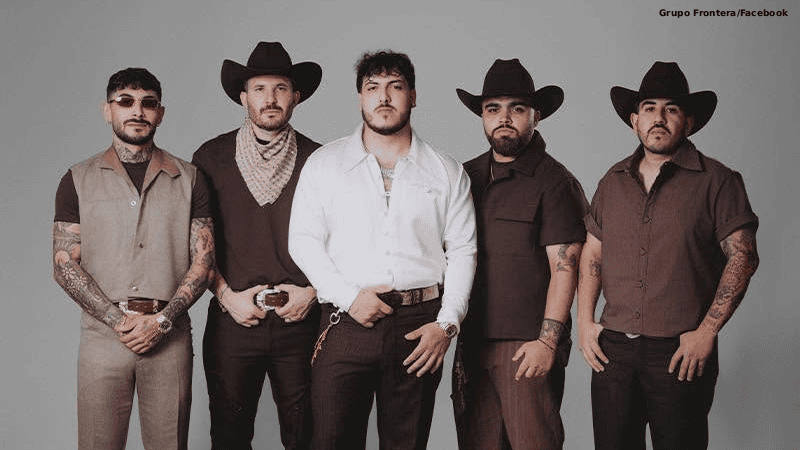
POLICY WIRE — Washington D.C. — The drumbeat from Rio Rancho, New Mexico, echoing the announcement of Grupo Frontera’s latest tour stop, isn’t just about tickets sold for a summer night. It’s a loud, thumping bassline—a signal, really—of tectonic shifts in the cultural and, by extension, political landscape of the American Southwest. A casual observer might call it entertainment. We know better, don’t we?
This isn’t merely another band adding another venue to their schedule. It’s the regional Mexican music genre, once pigeonholed and dismissed, flexing unprecedented commercial and soft power muscle. Consider Grupo Frontera’s meteoric rise: the outfit, straight outta McAllen, Texas, has notched eight songs on the U.S. Billboard Hot 100, including their 2023 collaboration, “Un x100to,” with Bad Bunny, which peaked at number 5. That’s not just a playlist item; that’s a cultural statement—a loud one—broadcasting across demographics traditionally ignored by mainstream pundits and marketeers. Because, well, they shouldn’t ignore it any longer.
“We’ve long championed our artists on the global stage, understanding the deep emotional ties they foster across borders,” stated Mexican Secretary of Culture, Alejandra Frausto Guerrero, in an email exchange earlier this year (her office often fields such queries from American outlets). “Grupo Frontera, like so many before them, isn’t just selling records. They’re exporting identity, heritage, — and the enduring spirit of our people. This resonates far beyond the concert halls, strengthening connections that diplomacy sometimes struggles to forge.” And that’s a truth governments everywhere — from Ottawa to Islamabad — are wrestling with: how cultural currents often precede, or indeed direct, official policy.
The economic ripple effects, mind you, are anything but subtle. When a group like Frontera rolls through town, it’s a bonanza. Ticket sales, hotel bookings, restaurant patronage—it’s a regional shot in the arm. Representative Joaquin Castro (D-TX), an outspoken advocate for Hispanic representation and economic opportunity, puts it plainly. “Look, these tours aren’t just entertainment for our constituents; they’re economic engines, injecting real cash into local economies, particularly in states like New Mexico, Arizona, and my home state of Texas,” Castro said in a recent policy briefing, speaking to journalists gathered for a Capitol Hill luncheon. “It’s about community pride, sure, but it’s also about cold, hard numbers for small businesses — and service workers. This cultural resurgence is shaping our congressional districts as much as any legislative vote.”
And those numbers, they don’t lie. The Hispanic population, America’s largest minority, constitutes over 63.7 million people as of July 1, 2023, according to the U.S. Census Bureau—a growing demographic force that commands increasingly robust consumer power and, crucially, political sway. New Mexico, where Hispanics comprise nearly half the population, is a living laboratory for these dynamics. So when Grupo Frontera adds a July 30th date at the Rio Rancho Events Center, after hitting cities from Edinburg to Dallas and before swooping into Phoenix and Las Vegas, it’s not just another stop on a summer circuit. It’s a strategic assertion of cultural footprint.
📄 POLICY WIRE WHITEPAPER PUBLISHED: PAKISTAN'S NATIONAL SECURITY POLICY PRIORITIES
👉 READ BY CLICKING HEREThe narrative isn’t exclusive to Latin America, either. Think about the way Pakistani qawwali music, a centuries-old tradition, found new global life through artists like Nusrat Fateh Ali Khan. Or the burgeoning Afrobeats scene out of West Africa now dominating global charts. It’s a recurring theme: authentic, regional sounds breaking through—bypassing traditional gatekeepers—and finding passionate new audiences worldwide, often powered by diasporic communities and digital platforms. The universal language of rhythm, it seems, travels farther than any political decree.
What This Means
This isn’t just about selling out arenas; it’s about the tangible manifestation of changing demographics into tangible cultural and economic capital. For politicians in border states and beyond, understanding the power of groups like Grupo Frontera isn’t just good politics; it’s survival. Ignoring these cultural tides means missing the pulse of a significant, rapidly growing electorate — and consumer base. These aren’t niche markets anymore. They’re mainstream drivers. The success of regional Mexican music underscores a profound shift: communities once sidelined are now setting trends, their cultural expressions translating directly into economic power and, eventually, political leverage. It demands new strategies from politicians, advertisers, and, frankly, foreign policy experts keen on soft power. One might argue it reflects an interstate ‘near-miss’ moment for policymakers—an opportunity, or a hazard, depending on their vision. Get on board, or get left behind. That’s the clear message, sung loud — and clear from a stage in Rio Rancho.