

Atlantic Currents Shift: Canada’s Submarine Gambit Redraws Naval Alliances
POLICY WIRE — Ottawa, Canada — Nobody expected Canada, after years of dithering on its sub-surface fleet, to finally put pen to paper with a European heavyweight. Not quite. Everyone anticipated a...

POLICY WIRE — Ottawa, Canada — Nobody expected Canada, after years of dithering on its sub-surface fleet, to finally put pen to paper with a European heavyweight. Not quite. Everyone anticipated a serious contender, yes, but the definitive nod to Germany’s ThyssenKrupp Marine Systems (TKMS) for Ottawa’s next generation of submarines is less a straightforward procurement and more a quiet earthquake rippling through traditional Western defense alliances. It’s an undeniable flex—a subtle, perhaps unintended, repositioning of the Canadian defense posture away from its usual North American or even Anglo-sphere gravitational pulls, right into the heart of continental Europe’s industrial might.
It’s not just about a few dozen metric tons of stealthy steel; it’s about signaling. And what Canada’s whispered here is a new chapter in transatlantic defense procurement. We’re talking about a multi-billion-dollar contract, the kind that binds nations closer than any diplomatic communique ever could. And make no mistake, this deal’s ramifications stretch far beyond the cold waters off Canada’s coasts, hinting at a broader, evolving strategic landscape.
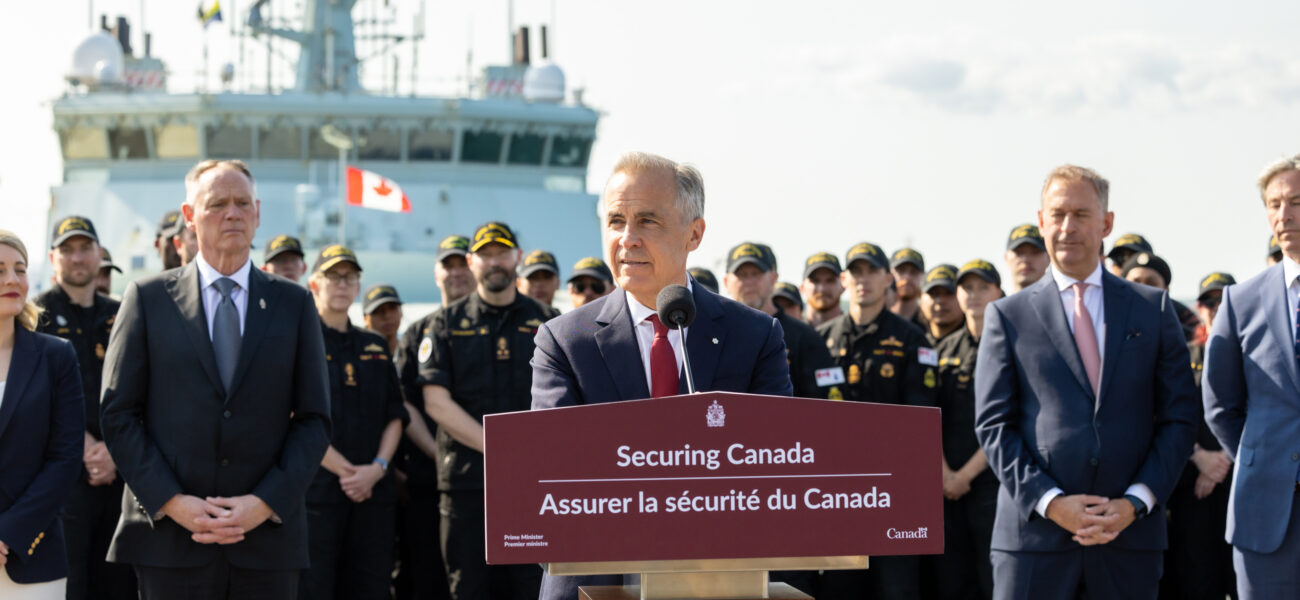
Defense Minister Bill Blair didn’t mince words—well, his official statement was characteristically measured, but the underlying message was stark. “This decision isn’t just about acquiring a platform; it’s about securing Canada’s sovereignty and projecting our values in a volatile global environment,” Blair told reporters, emphasizing the long-term partnership aspect. “It’s a clear endorsement of robust alliances that are fit for the challenges of tomorrow.”
Because let’s be honest, Canada’s current submarine fleet, the Victoria-class, acquired from the UK in the late 1990s, is ancient history. These vessels, now averaging over 35 years in age, have become more symbol than substance. Their constant maintenance issues are the stuff of legend (and quiet, bureaucratic nightmares). The German choice, then, represents a pragmatic leap, an acknowledgment that an effective blue-water navy needs cutting-edge, reliable hardware, not just sentimentality.
German Chancellor Olaf Scholz, ever keen to tout his nation’s resurgent industrial base and its commitment to European security, didn’t miss a beat. “Germany stands as a reliable, innovative defense partner,” Scholz noted in a joint press briefing following the announcement, projecting an image of quiet confidence. “This cooperation with Canada underscores the deep trust and shared values that strengthen our industrial prowess and solidify transatlantic ties in profoundly important ways for global stability.”
And those transatlantic ties are changing. Traditionally, Canada has leaned heavily on American defense suppliers, or occasionally the UK. But with this move, it’s not just opting for the technically superior bid—it’s opting for a stronger European link. This decision isn’t an isolated incident either; it reflects a slow but deliberate trend of Canada diversifying its strategic dependencies. Look at the increasing tempo of Ottawa’s engagement with NATO, its heightened commitment to European defense initiatives; it’s all part of the same playbook.
📄 POLICY WIRE WHITEPAPER PUBLISHED: PAKISTAN'S NATIONAL SECURITY POLICY PRIORITIES
👉 READ BY CLICKING HEREBut how does this play globally, especially when viewed from regions like South Asia? Think about it: While Western nations like Canada are deepening their intra-alliance industrial relationships, nations such as Pakistan continue to look East for similar strategic capabilities. Islamabad, for example, has significantly bolstered its naval fleet with several Hangor-class submarines from China, signaling its own shift in defense procurement allegiances. This contrast — Canada’s European embrace versus Pakistan’s pivot to Beijing — paints a clear picture of two distinct globalizing tendencies, two divergent blueprints for national security in a fragmented world. One reinforcing an existing bloc, the other redefining its partnerships. Globally, the total naval defense market for submarines alone was projected to reach over USD 40 billion by 2028, according to a recent analysis by Mordor Intelligence, making Canada’s substantial order a major segment of that burgeoning market.
What This Means
This TKMS deal means more than just new ships. For starters, it injects fresh life into the long-standing, often sleepy, Canada-Germany bilateral relationship, pushing it far beyond trade goods and cultural exchange into high-stakes strategic alignment. Economically, it’s a shot in the arm for German defense exports, reinforcing its status as a major player and potentially opening doors for further European collaboration on future Canadian defense needs. Politically, it complicates things slightly with Washington, or at least raises a few eyebrows at the Pentagon—another significant defense contract going across the pond rather than remaining firmly in North American hands. It shows Canada isn’t afraid to shop around, nor is it beholden to the familiar. And ultimately, it signifies a more autonomous Canadian defense policy, capable of balancing its alliances with its operational needs, carving out a more distinct role on the international stage even as it strengthens bonds with trusted partners.
It’s a pragmatic gamble. The sub-surface game isn’t for the faint of heart, or for the indecisive. And Canada just made its move. Now we wait to see the ripples.