


Canada Basketball Urges Fans: Top Stars Compete in FIBA Qualifiers, Hundreds of Tickets Remain
POLICY WIRE — Hamilton, Ontario — An unusual call echoes from Canada Basketball headquarters this week, a direct plea to the nation's ardent sports enthusiasts....

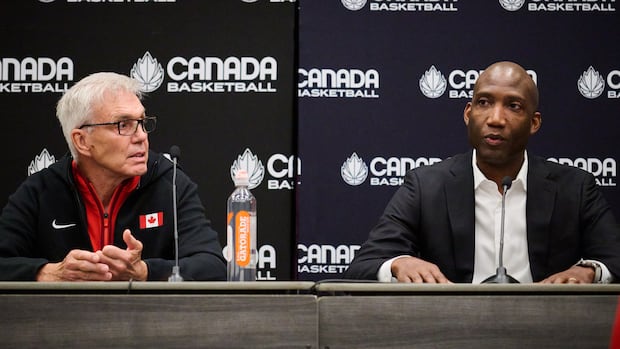
POLICY WIRE — Hamilton, Ontario — An unusual call echoes from Canada Basketball headquarters this week, a direct plea to the nation’s ardent sports enthusiasts. Despite the assembly of 16 of Canada’s premier basketball stars on home soil, poised to compete in the FIBA Men’s Basketball World Cup 2027 Americas Qualifiers this weekend, a significant number of seats remain empty. With hundreds of tickets still available, Canada Basketball General Manager Rowan Barrett has directly urged fans to mobilize, to ‘show up for their country,’ as per wire reports.
The stage is set for a pivotal moment in the nation’s basketball trajectory, as the Canadian squad begins its bid to secure a coveted spot in the 2027 World Cup. Hamilton, Ontario, hosts these crucial matches, offering local fans a rare opportunity to witness their national team’s top talent in action. However, the apparent reluctance of the public to seize this chance has prompted the general manager’s intervention.
Barrett’s appeal underscores a fundamental challenge even for high-stakes international competition hosted domestically: translating national pride and top-tier talent into consistent, palpable attendance. The prospect of Canada’s best basketball players vying for a World Cup berth would, in many sports landscapes, guarantee sell-out crowds, turning qualifiers into spectacles of national unity and athletic prowess. The current scenario suggests a disconnect, one that the general manager is keen to bridge as the qualifying window opens.
For the uninitiated, the FIBA World Cup qualifiers are not merely exhibition games; they’re rigorous, competitive encounters that determine which nations advance to the sport’s global showpiece. Each victory, each performance, carries significant weight for team rankings, national seeding, and, ultimately, a country’s prestige on the international basketball stage. The Americas Qualifiers involve a multi-window schedule spanning over a year, with teams competing both home and away in their quest for one of the coveted berths in the quadrennial tournament.
Canada’s national basketball program has seen a resurgence in recent years, producing an impressive array of talent now playing at the highest levels globally. The roster for these Hamilton qualifiers reportedly comprises ’16 of Canada’s top basketball stars,’ signaling a serious intent to compete. This caliber of player, often seen in high-profile professional leagues, provides an elite athletic experience that isn’t always accessible to the average Canadian sports fan.
The role of the general manager extends beyond team building to the cultivation of a robust fan base, a vital component for sustaining any national sports program. A strong home crowd provides not only a direct revenue stream but also a psychological advantage for the players, transforming a court into a formidable fortress. Rowan Barrett, in his capacity, is evidently taking a hands-on approach to foster this connection between the team and its public, highlighting the importance of collective support.
In a world saturated with entertainment options, securing audience engagement for sporting events, even significant ones, often requires proactive measures. Ticket sales campaigns, community outreach, and direct appeals from team leadership all factor into the effort to fill arenas. The ‘hundreds of tickets still available’ suggest that this effort, while underway, needs an extra push to ensure the Canadian stars play before the roaring crowds they deserve—and perhaps, require—for such critical games.
What This Means
This situation, where top national talent competes in crucial international qualifiers yet faces attendance hurdles, highlights several recurring themes in sports management. Firstly, even with a strong on-court product, consistent engagement requires continuous marketing and community interaction. It’s not enough to simply field a competitive team; the public must be actively invited and given compelling reasons to participate, especially when competing with other sporting events or entertainment options. The specific number of ‘hundreds of tickets’ implies a respectable base of sales but indicates a missed opportunity for a sell-out atmosphere, which can be critical for team morale and a compelling fan experience.
Secondly, it underscores the persistent effort required from national sports federations to build a deeply rooted basketball culture beyond just the performance of its elite players. General Manager Rowan Barrett’s direct appeal serves as a reminder that the health of a national team also relies on the passionate, visible support of its home crowd. Filling these seats in Hamilton is not just about financial returns or short-term optics; it’s about signaling to the players that their country stands firmly behind them, and to the international basketball community that Canada is a formidable, engaged host. Failure to achieve full attendance, even for a few games, could be seen as a minor setback in the broader goal of cementing basketball as a dominant force in Canadian sports, potentially affecting future hosting bids or national interest. It poses a question: for all the talent, has the national basketball brand sufficiently resonated with the broader public?