


Digital Gatekeepers or Open Floodgates: Supreme Court Gives Texas Wide Berth on App Age Verification
POLICY WIRE — Washington D.C., USA — The skirmish over what minors can see, or rather, *download*, on their devices just notched a peculiar victory for state power. It didn’t arrive with a...

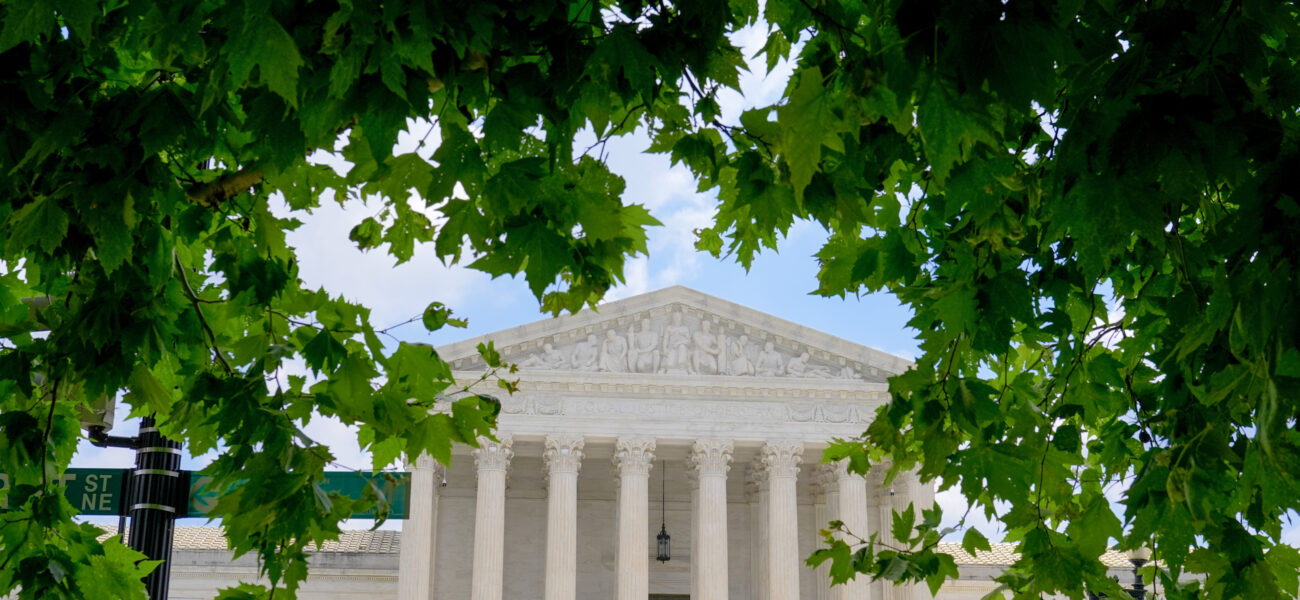
POLICY WIRE — Washington D.C., USA — The skirmish over what minors can see, or rather, *download*, on their devices just notched a peculiar victory for state power. It didn’t arrive with a bang, but with a shrug: the Supreme Court’s quiet decision not to interfere with a Texas law requiring age verification for app downloads. Think about that for a second. We’re talking about the internet—that supposed borderless digital frontier—now facing its borders drawn, not by silicon or fiber optics, but by state lines.
This whole thing stems from Texas House Bill 1181, signed into law last year. It pretty much says app developers, or stores like Apple and Google, must slap age gates on anything minors might stumble upon that could be considered “harmful.” You’ve gotta show ID, prove you’re an adult, or else, no download. Because, you know, apps are notoriously terrible at determining age on their own. Tech advocacy groups cried foul immediately. They saw it as censorship, a cumbersome invasion of privacy, and a technical nightmare wrapped in a First Amendment concern.
A lower court agreed with them, sort of, initially putting the kibosh on the law. But then the conservative 5th U.S. Circuit Court of Appeals stepped in, saying Texas could go right ahead — and enforce it. And just like that, the highest court in the land, without comment or apparent reservation, said: Yeah, Texas, do your thing. No injunction. No stop sign.
“We’re just trying to protect our kids from the predators and poisons online, plain and simple,” asserted Texas Attorney General Ken Paxton (R), presumably with a triumphant grin, when the lower court’s block was lifted. “If tech giants won’t put safeguards in place, we’ll step up for the parents of Texas.” It’s a sentiment that resonates with a certain demographic, sure. But at what cost to, you know, actually using the internet?
But free speech advocates? They’re boiling mad. “This ruling throws a digital monkey wrench into the gears of innovation and speech,” fumed Sarah Chen, head of policy at Digital Rights Watch. “It creates a baffling patchwork of state-level internet rules that defies common sense and chips away at core constitutional freedoms, setting a really grim precedent for other states—and potentially, other nations—to follow. It’s a mess for everyone involved, especially for the young people Texas purports to be protecting.”
And she’s got a point. Suddenly, your phone, which pretty much ignores state boundaries when it pings off a cell tower, needs to know your location, age, and identity for every single download. It’s a logistical nightmare for developers, an obvious privacy trap for users. Indeed, research from the Pew Research Center in 2022 showed that 95% of teens aged 13-17 report using at least one social media platform, with 35% admitting to using one “almost constantly.” The reach is undeniable; the regulatory response, not so much.
📄 POLICY WIRE WHITEPAPER PUBLISHED: PAKISTAN'S NATIONAL SECURITY POLICY PRIORITIES
👉 READ BY CLICKING HEREWhat Texas has done, — and what the Supreme Court has allowed to stand for now, isn’t just about app stores. It’s a broader statement about who governs the internet. Is it Washington? Is it Silicon Valley? Or is it now, increasingly, Baton Rouge, Tallahassee, or Austin? The very idea of an open internet—free, accessible, universal—gets hammered a little more every time one of these laws slides through. It turns into something fragmented, state-specific, difficult to navigate for individuals, and even harder for companies to comply with.
What This Means
The immediate political implication here is pretty stark: conservative states, feeling their oats on issues like parental rights and protecting children, now have an apparent green light to regulate online content. Don’t underestimate this. Because if Texas can demand age verification for apps, what’s next? Websites? Online games? This isn’t some abstract constitutional debate for law students—it means every download, every digital interaction, becomes a potential choke point. It certainly creates new compliance burdens for tech companies, probably meaning higher costs — and less innovation.
But the fallout travels far beyond the U.S. borders. States flexing their digital muscles, as Texas is doing now, sends a curious message abroad. It could offer convenient cover, some would argue, to regimes keen on tighter internet control. Consider nations like Pakistan, where battles over social media bans, data localization, and internet content have long been fraught. This kind of fragmented legal landscape in a powerful democratic nation like the U.S. doesn’t exactly strengthen the hand of those advocating for an open, unrestrictive internet in countries struggling with censorship. The implications for populations yearning for unfettered access, especially in contested territories like Kashmir, where regional digital freedoms are constantly under threat, could be dire. Any tool used to justify further content restrictions might be quickly adopted elsewhere. It certainly highlights the evolving nature of how youth minds navigate the digital world, but with a potentially restrictive framework.
The U.S. used to project an image of digital freedom. This Supreme Court non-decision makes that image a whole lot murkier. We’re potentially walking into a future where your ‘digital passport’ dictates what you can see, hear, or interact with, all based on a state’s moral panic or perceived protective measures. It’s a bumpy road ahead, isn’t it?