


The Weight of a Dynasty: Dravid Jr.’s Brilliance Dims as Lanka’s Youth Reclaim South Asian Bragging Rights
POLICY WIRE — New Delhi, India — They say a rising tide lifts all boats, but sometimes, a lone prodigy can find himself adrift, his brilliance unmoored from collective victory. That’s the cold,...

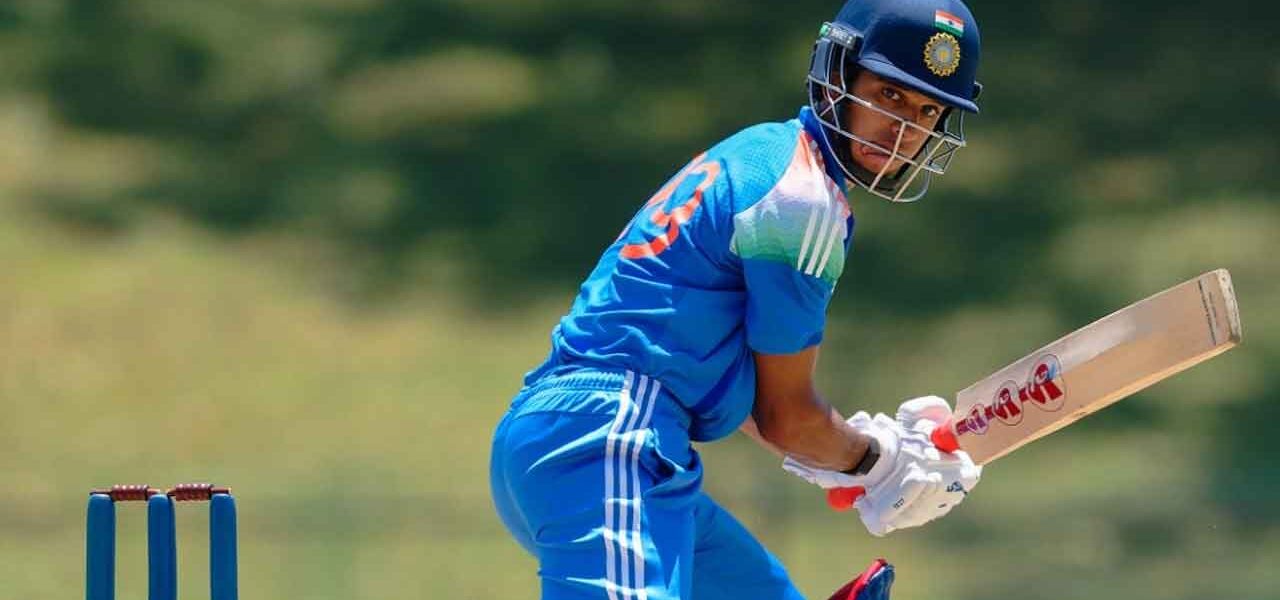
POLICY WIRE — New Delhi, India — They say a rising tide lifts all boats, but sometimes, a lone prodigy can find himself adrift, his brilliance unmoored from collective victory. That’s the cold, hard truth Anvay Dravid, son of Indian cricket legend Rahul Dravid, confronted head-on this past Monday. The young man hammered an explosive 87 runs—a knock that felt like a lifetime’s promise—only to see it swallowed whole by a ferocious Sri Lankan U-19 lineup, ultimately losing the second Youth ODI by eight wickets and levelling the three-match series.
It wasn’t just a defeat; it was a declaration. Sri Lanka, often considered the plucky underdog in these South Asian clashes, didn’t just win; they dominated. And for young Dravid, carrying not just his own ambitions but the colossal shadow of his father, ‘The Wall’ himself, the loss must’ve stung deeper than any single boundary conceded.
India, after choosing to bat first, had been teetering, looking frankly wobbly, at a perilous 81 for four in the 19th over. They were adrift, completely. But then, Anvay, showcasing some serious inherited grit, partnered with Arjun Rajput (76 off 81 balls) to stage a remarkable 145-run recovery for the fifth wicket. Rajput, alas, fell to a direct hit, the kind of brutal efficiency that marks top-tier cricket. Anvay, meanwhile, kept digging in, hitting nine fours — and a solitary, defiant six. He rocketed to his maiden Youth ODI fifty in just 47 balls, his sights surely set on a ton. But this game, it’s a cruel mistress. Left-arm pacer Gimhan Mendis delivered the final, crushing blow, dismissing him for 87.
His wicket opened the floodgates. India, then sitting at a respectable 263 for seven, capitulated, losing their final three wickets for a paltry 22 runs. Mendis was the chief architect of their downfall, bagging an impressive five for 41. Sri Lanka was now chasing a target of 286 runs, a score that looked competitive on paper, but in the heat of the day, felt almost vulnerable.
Enter Dimantha Mahavithana. This Sri Lankan opener wasn’t just batting; he was conducting a masterclass. Mahavithana blasted an unbeaten 155 off 153 balls, anchoring the innings with a frightening composure that belied his age. He wasn’t alone in this pursuit, mind you. He stitched together a 103-run stand with Senuja Wekunagoda (60), then sealed the deal with an unbroken 163-run partnership with captain Vimath Dinsara (56 not out). The Lankans sprinted past the target in 48 overs, finishing at 291 for two. Easy work, really. And to think, India had narrowly taken the first match, chasing 321.
“Anvay’s under immense scrutiny, but he’s got the temperament. This loss stings, but it’s part of the grind for these young lads,” observed Coach Rohan Joshi of the Indian U-19 squad. “They’ll bounce back. You see it across Asia—the hunger for victory is real, but so is the pressure to deliver, especially when your name is Dravid. This game tests everything: skill, mental fortitude, — and patience. He’s got all of them in spades; he just needs a bit more luck, perhaps a little more support on days like this.”
📄 POLICY WIRE WHITEPAPER PUBLISHED: PAKISTAN'S NATIONAL SECURITY POLICY PRIORITIES
👉 READ BY CLICKING HEREBut the Sri Lankan camp was understandably ecstatic. Mr. Charith Perera, a senior official with Sri Lanka Cricket, beamed, “We’ve got talent, always have. Today was a glimpse of what’s bubbling underneath. These boys, they’re not just playing a game; they’re carrying the hopes of an island, showing the region—and maybe even the world—what we’re made of. And for a young player like Mahavithana to step up against India? That’s big. It truly is.”
What This Means
This youth cricket skirmish, seemingly just a footnote in the grander scheme of international sports, actually hums with deeper resonance for South Asia. These encounters, whether between India and Sri Lanka or India and Pakistan, aren’t merely games; they’re proxy battles for regional dominance, soft power exhibitions where national pride is very much on the line. Cricket, for billions across the subcontinent and the broader Muslim world, isn’t a sport; it’s a religion, a narrative, a cultural glue. Success in it provides a sense of national achievement, a rare commodity in a region often grappling with geopolitical complexities. And what happens on the pitch often mirrors broader currents—sometimes turbulent, sometimes unifying. It’s why sports are increasingly seen as geopolitical stages. These U-19 contests are the crucible where future icons—and future national heroes—are forged, shaped by triumphs and gut-wrenching losses.
Economically, nurturing young talent like Anvay Dravid and Dimantha Mahavithana is an investment in a future multi-billion-dollar industry. Cricket accounts for over 90% of all sports viewership in South Asia, according to industry analyses, cementing its status as the region’s commercial and cultural king. Talent scouting and development by national cricket boards, especially in cash-strapped nations, become strategic initiatives, potentially unearthing future revenue streams from lucrative franchise leagues and global endorsements. For Sri Lanka, a robust U-19 system might offer a psychological boost and a hopeful glimpse of a strong cricketing future, important in a nation working through various economic challenges. Because, let’s face it, good sport always breeds good business. And for the next generation of superstars, the path from obscurity to global recognition—and considerable wealth—begins on these humble youth pitches, even when the losses hurt like hell. The pressure for these young men, like Anvay Dravid facing the immense weight of his legacy, is just immense, a heavy, often crushing, burden of expectation from their home nations.