

The Absent Royals: Harry’s Solo UK Trip Exposes Monarchy’s Fragile Public Front
POLICY WIRE — London, UK — The perpetually churning mill of monarchical minutiae, often perceived as trivial celebrity gossip, masks a more substantive undercurrent when one half of a royal pairing...

POLICY WIRE — London, UK — The perpetually churning mill of monarchical minutiae, often perceived as trivial celebrity gossip, masks a more substantive undercurrent when one half of a royal pairing stays stateside. It wasn’t Prince Harry’s presence itself that truly commanded the news cycles this week; it was his family’s absence. That silence—that particular emptiness beside him—spoke volumes, generating a far louder echo across the Atlantic and around the Commonwealth than any prepared statement could’ve managed.
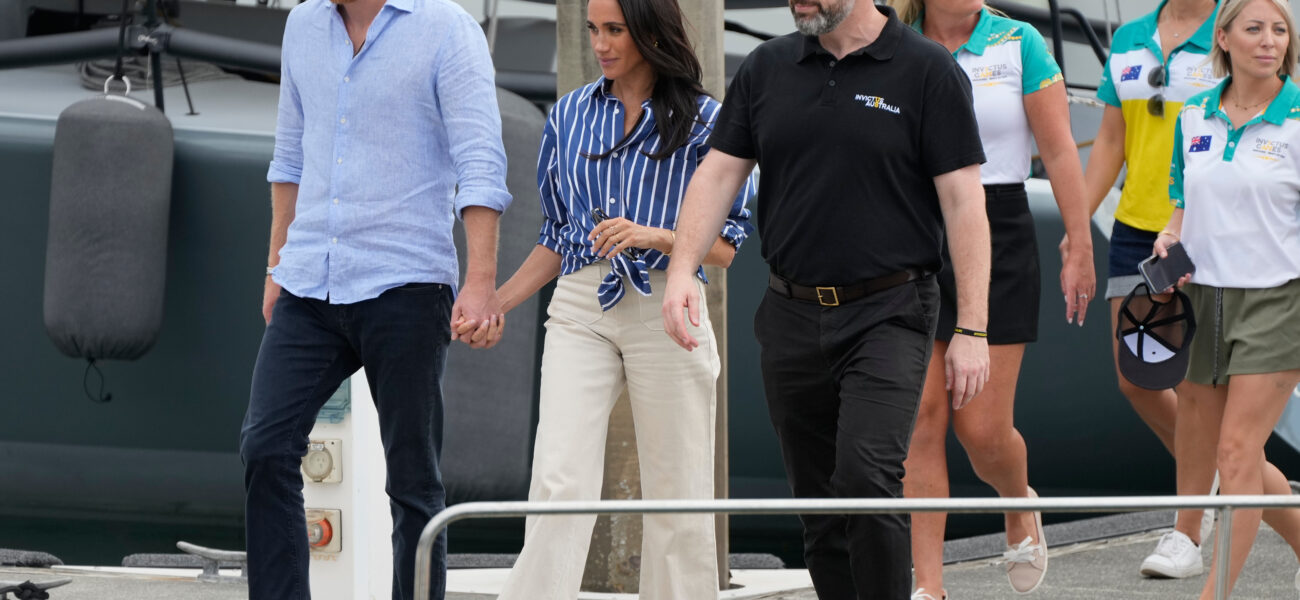
See, the British monarchy, an institution steeped in centuries of tradition and —let’s be frank—cost, functions partly on perception, partly on drama. This latest installment of the Sussex saga feels like a meticulously scripted act, even if its main players claim to detest the spotlight. Media outlets, hungry for crumbs of anything royal, promptly ignited into a feeding frenzy, [QUOTE_PLACEHOLDER] whether Meghan and kids will join him. The speculation, of course, was the whole point.
It’s an age-old dance, isn’t it? The public’s insatiable appetite for the personal lives of figures who represent something much larger than themselves. Harry, now a quasi-American celebrity, stepping onto British soil without his wife and children transforms a routine visit into a coded message. Is it a security issue? Is it a protest? Is it, quite simply, an elaborate negotiation playing out in plain sight?
But the ramifications stretch well beyond Fleet Street’s prurient interests. The Royal Family remains, for many nations across the globe, a powerful symbol of historical ties. The Commonwealth, a collection of 56 independent member countries, many with profound historical links to the British Empire, still grants the monarch the title of Head. And the optics from London filter down, right into homes in Lahore — and Dhaka. When internal strife rattles the Windsor clan, it isn’t just about tea and corgis; it’s about the perceived stability and allure of an institution whose reach is far from purely domestic.
Because, make no mistake, for all its pomp — and circumstance, the monarchy operates as a peculiar soft power mechanism. Take, for instance, a 2022 Brand Finance report that estimated the economic contribution of the UK monarchy to the UK economy at £1.7 billion, largely through tourism and brand value. When key players —especially popular ones, however polarizing—aren’t performing their perceived roles, or appear to be in internal conflict, that value, however intangible, takes a hit.
And let’s consider the security question. One of the lingering sore points has been the demand by the Duke and Duchess for state-funded protection during UK visits, a right revoked after they stepped back as working royals. Their desire to keep their children away from the perceived dangers—or perhaps, simply the intrusive gaze of the British press—is, [QUOTE_PLACEHOLDER] what they’ve always stressed. Yet, that choice carries its own set of PR challenges, amplifying the perception of a rift.
📄 POLICY WIRE WHITEPAPER PUBLISHED: PAKISTAN'S NATIONAL SECURITY POLICY PRIORITIES
👉 READ BY CLICKING HEREFor nations like Pakistan, for example, whose relationship with the former colonial power is complex and multifaceted, these narratives offer curious observations. While republican sentiment might hold sway in some quarters, the enduring fascination with British royalty — a cultural legacy from the Raj — hasn’t quite faded. Pakistani news outlets often mirror their Western counterparts, parsing every public appearance, or lack thereof, with an almost identical intensity. It’s a shared heritage, albeit one that’s sometimes viewed through a prism of post-colonial ambivalence.
This episode serves as a potent reminder that every action, or inaction, from Harry and Meghan is parsed not just by the British tabloids but by global observers. It’s not just a family drama anymore; it’s international relations played out on a reality TV stage. And that has implications for everything from trade deals to diplomatic overtures, all riding on the fickle whims of public opinion and dynastic friction.
What This Means
This isn’t just celebrity tattle; it’s a masterclass in modern institutional vulnerability. The decision for Meghan and the children to skip Harry’s UK engagements is less a family choice and more a strategic power play with distinct political and economic implications. For one, it subtly weakens the narrative of a united, robust British monarchy, essential for projecting global stability. Each visible fissure invites closer scrutiny and, crucially, encourages speculation that can undermine brand equity – a real, measurable economic asset for the UK. If the younger generation, once touted as the monarchy’s modern face, appears fractured, it inevitably impacts how former colonies and commonwealth nations perceive their historical ties to the Crown. A weakened, or visibly dysfunctional, British monarchy could gently — but discernibly — erode the soft power mechanisms Britain relies on for diplomatic influence, particularly in an era where global alliances are already undergoing intense renegotiation. The cost, then, isn’t just emotional; it’s a quiet yet significant blow to the UK’s broader geopolitical standing and its economic magnetism. The headlines might scream about family drama, but the smart money’s on the quiet, systemic impact of a fragmented brand on a global stage.