


Kyiv Ablaze: Summit’s Shadow Looms as Russia Sends Deadly Message
POLICY WIRE — Kyiv, Ukraine — The acrid tang of gunpowder hung heavy over Kyiv even as NATO’s diplomatic elite began polishing their talking points for a high-stakes summit. A cynical prelude,...

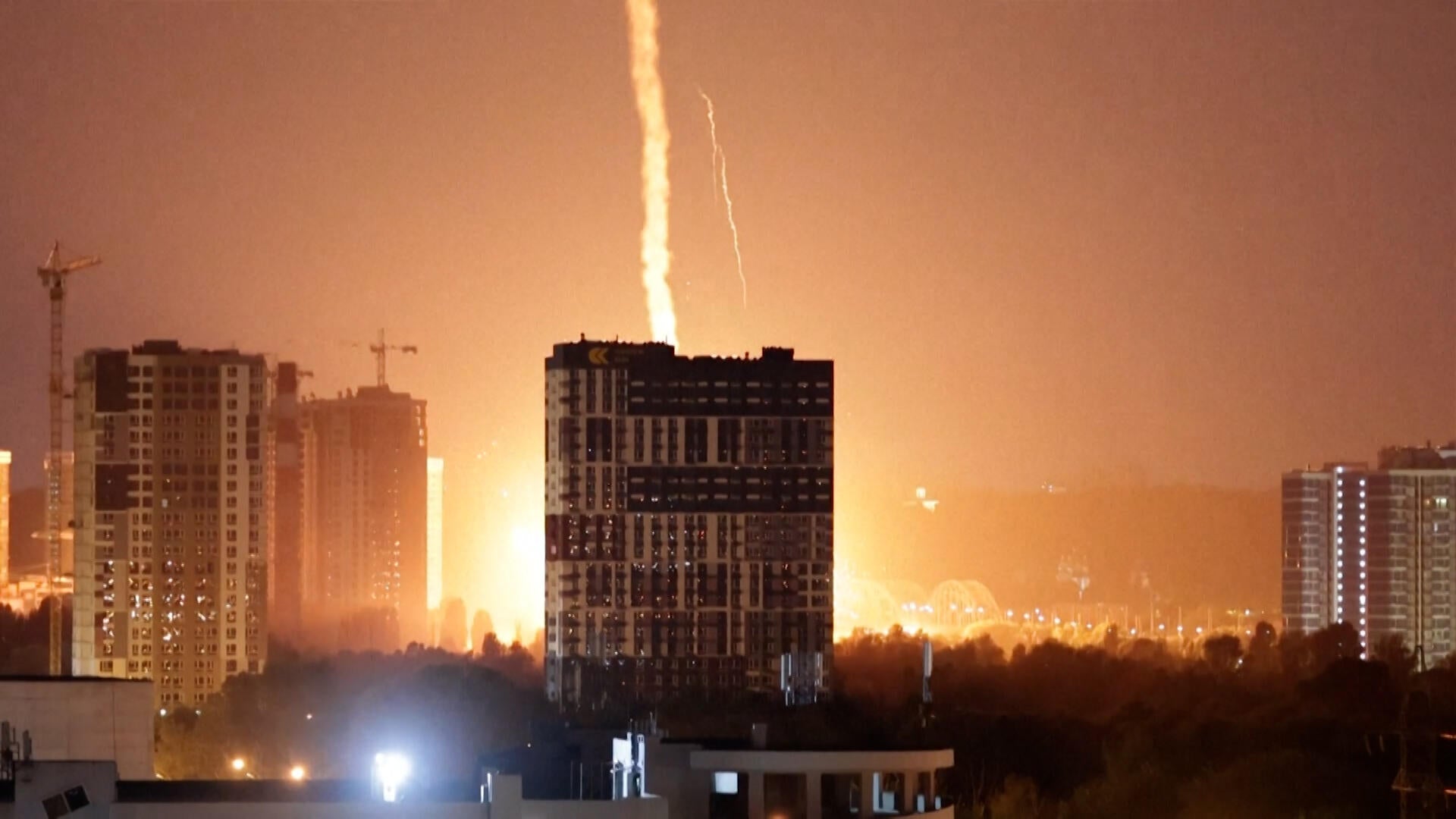
POLICY WIRE — Kyiv, Ukraine — The acrid tang of gunpowder hung heavy over Kyiv even as NATO’s diplomatic elite began polishing their talking points for a high-stakes summit. A cynical prelude, really. Early morning strikes, meticulously timed for maximum psychological impact just hours before world leaders were to convene, ripped through the Ukrainian capital, shredding apartment blocks and lives alike. Seven people are confirmed dead, countless injured. And the world watches, aghast but perhaps not entirely surprised.
It wasn’t a warning, not really. It was a statement. A brutal, unmistakable message lobbed straight at the heart of Western resolve. But for those of us who’ve tracked this messy conflict, it was just another grim Wednesday in Europe’s most brutal theater. Missile fragments, the twisted metal remains of someone’s bedroom wall, became grim markers of a geopolitical chess match playing out in real-time, often with innocent lives as pawns.
Ukrainian President Volodymyr Zelenskyy, his voice raspy with fury — and fatigue, minced no words. “They’re trying to shatter our spirit before these leaders even shake hands,” he railed, standing amidst the rubble. “They won’t. But Europe and our allies? They need to stop measuring our agony in statistics — and start acting like lives depend on their speed. Because they do.”
This aggression—a barrage involving cruise missiles and ballistic weapons—doesn’t happen in a vacuum. But it’s an especially nasty gambit now. Its objective? To project Russian strength, or perhaps more accurately, to demonstrate Moscow’s utter contempt for any notion of international order—and by extension, the alliance gathering to discuss it. It’s an old trick, yes, but still effectively chilling. The Kremlin isn’t just striking buildings; it’s striking at the very idea of diplomatic unity. They’re betting that fear — and fatigue will win where conventional might hasn’t. It’s a low-grade psychological operation writ large.
Jens Stoltenberg, NATO’s Secretary General, looking remarkably stoic given the circumstances, reiterated the alliance’s unwavering support. “This brazen act of aggression, timed with such malice, only reinforces our collective commitment,” he stated, his jaw set. “Our resolve for Ukraine’s sovereignty is non-negotiable. And Moscow will ultimately fail in its barbaric attempts to subjugate a free nation.”
What’s unsettling isn’t just the brutality; it’s the consistency. Ukraine’s air defense systems, while incredibly effective – with a reported 87% intercept rate against incoming Russian missiles and drones according to recent Kyiv Military Administration figures – simply can’t catch everything. And for those seven unlucky souls, or the many more maimed, that technological marvel might as well have been nothing. It’s a numbers game for them, a horror show for everyone else.
Beyond the immediate human tragedy, these strikes cast a long, dark shadow over the approaching discussions. Leaders will convene not to ponder hypothetical scenarios, but to react to fresh blood on Kyiv’s streets. It transforms abstract debates over aid packages or security guarantees into desperate appeals for immediate action. That means more air defense, faster. And it’s not just Kyiv feeling the pressure; it’s Washington, London, Berlin. They’re all on the hook, aren’t they?
But the ramifications of this extended geopolitical tremor don’t stop at Europe’s borders. For nations far removed from the missile’s trajectory, say, Pakistan, where economic stability often hangs by a thread, the ripple effects are acutely felt. A prolonged conflict means continued volatility in global energy — and commodity markets. Fuel prices climb, food imports become more expensive, and the daily grind for ordinary families in Lahore or Karachi only gets tougher. You see, when Europe sneezes, many in the developing world often catch pneumonia. Global fragility has a funny way of connecting distant points on a map (like those echoes felt from Venezuela to distant shores). So while Western diplomats focus on eastern Europe, policymakers across South Asia watch the same indicators with a dread that hits much closer to home. They’ve got their own existential problems, you know.
What This Means
This latest salvo by Russia isn’t merely a military operation; it’s a direct challenge to the authority and unity of the transatlantic alliance. The timing suggests a deliberate attempt to sow discord and exploit potential divisions among NATO members, presenting them with a grim reminder of Russia’s capabilities and—its apparent lack of red lines. Economically, prolonged conflict guarantees continued instability. We’re talking persistent inflation, commodity shortages, and investor jitters, all of which trickle down, hurting everyone, especially vulnerable economies reliant on imports. But it’s also a stark accelerant for European defense industries. NATO members will now likely fast-track procurement, consolidate supply chains, and (reluctantly, perhaps) ramp up military spending in ways unimaginable just a few years ago. It’s less about peace and more about preparedness, an acknowledgment that this isn’t a war that simply stays in Ukraine.