

Presidential Kickback: US World Cup Drama Overshadows FIFA’s Shaken Credibility
POLICY WIRE — Seattle, United States — It wasn’t the seismic tremors from 70,000 screaming fans that rattled the World Cup this week. No, the real earth-shaker came from a phone call—a...

POLICY WIRE — Seattle, United States — It wasn’t the seismic tremors from 70,000 screaming fans that rattled the World Cup this week. No, the real earth-shaker came from a phone call—a perfectly presidential one, no less—that peeled back the curtain on the opaque world of international football governance. Suddenly, a sporting injustice became a geopolitical talking point, putting an asterisk on America’s most anticipated World Cup run in generations. Because, in a blink, the ban against star forward Folarin Balogun was simply, unbelievably, gone.
His suspension, issued for an awkward red card against Bosnia-Herzegovina, seemed ironclad. Balogun had accidentally stepped on Tarik Muharemović’s foot—a careless move, sure, but deserving of a quarter-final lifeline? Not usually. Then came the revelation: a direct intervention from President Donald Trump to FIFA President Gianni Infantino. And just like that, rules bent. This isn’t just a win for the U.S. national team; it’s a stark reminder of who, exactly, pulls the strings on the world stage—and that some strings are thicker than others.
The Royal Belgian Football Association, understandably, was “astonished,” a polite descriptor for what must’ve been a full-blown fit of pique. But the Americans don’t care. They’ve got Balogun back. And with him, they face Belgium in what’s shaping up to be a thunderous showdown at Seattle’s Lumen Field—a venue notorious for registering on seismographs during NFL games. Seattle’s going to bring it, no matter what, they’ve shown that all tournament,
captain Christian Pulisic told reporters, a wry smile perhaps hinting at the surreal turn of events. When Folarin walks out, expect an even bigger roar.
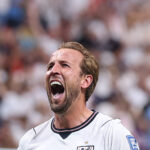
The stakes are sky-high. A victory means the U.S. reaches the quarterfinals for the first time since 2002. They’re on a roll, too, having beaten Bosnia-Herzegovina despite playing the final 30 minutes a man down. Balogun, for his part, has been instrumental, his three goals this tournament putting him just one shy of Bert Patenaude’s American World Cup record set way back in 1930, according to FIFA records. It’s a comeback story almost too neat.
Meanwhile, in what would otherwise be the day’s marquee match, Cristiano Ronaldo’s Portugal squares off against mighty Spain. The drama is palpable: a rivalry spanning 105 years, with Spain’s impenetrable defense having not conceded a single goal in this World Cup. You play in front of 80,000, or against them, you still have a job to do. We’re focused on that,
Belgium’s Maxim De Cuyper coolly remarked, seemingly unperturbed by the fervent American support. But even Ronaldo’s swansong—he’s reiterated this will be his last World Cup at 41—feels a bit like the opening act, dimmed by the audacious, headline-grabbing political intervention.
📄 POLICY WIRE WHITEPAPER PUBLISHED: PAKISTAN'S NATIONAL SECURITY POLICY PRIORITIES
👉 READ BY CLICKING HEREAnd let’s not forget Belgium itself. They’re comfortable. The team’s been using the Seattle Sounders facility as a training base since June 13 and has already played two matches at Lumen Field, including an extra-time win over Senegal. It’s a logistical advantage, for sure, even if the roaring crowd will be decidedly against them.
What This Means
This unprecedented reversal of a FIFA disciplinary decision following a head-of-state intervention casts a long, uncomfortable shadow over global sports governance. It isn’t just about a soccer game; it’s about power, optics, and the uncomfortable erosion of perceived neutrality in institutions designed to be apolitical. For the United States, it underscores an administration’s willingness—and ability—to deploy its significant leverage even on something as seemingly trivial as a sports ban. It’s an assertion of soft power, perhaps, but one with incredibly hard implications.
Economically, a deeper World Cup run for the U.S. means massive commercial opportunities for FIFA, broadcast partners, — and sponsors. The market is king, after all. But what does this signal to other nations, particularly those where sporting federations are already prone to political interference? In countries like Pakistan, where cricket reigns supreme but football gains traction, such overt politicking could further entrench the cynicism regarding FIFA’s claims of fair play. They know well how government interests can shape—or warp—sporting outcomes. Trump’s Red Card Gambit just offers a prime, highly visible example of a practice that’s probably more common, and far less public, elsewhere.