


Hokkaido’s Alpine Alchemy: Dusit’s Gamble on Japan’s Luxe Tourist Flow
POLICY WIRE — Niseko, Japan — Far removed from the usual chatter of economic summits and diplomatic maneuvering, the gentle hiss of open-air hot springs in Japan’s northern expanse...

POLICY WIRE — Niseko, Japan — Far removed from the usual chatter of economic summits and diplomatic maneuvering, the gentle hiss of open-air hot springs in Japan’s northern expanse now whispers tales of shifting regional capital. It isn’t just about lavish escapes anymore. That’s a notion too simplistic, frankly. The unveiling of Dusit Thani Kiroro in Hokkaido isn’t just another flag planted by a global hospitality giant; it’s a meticulous, high-stakes wager on Asia’s redefined luxury traveler, a demographic whose spending power increasingly dictates investment patterns from Doha to Karachi.
Bangkok-based Dusit International, known for its Thai-inflected grace, didn’t just stumble upon Japan’s famed powder snow and picturesque lakes. No, they’ve positioned a retreat— replete with stand-alone villas—at a geopolitical crossroads, anticipating a new wave of inbound tourism. This move isn’t about mere amenities; it’s a sophisticated play to capture the discerning jet-set, a clientele increasingly drawn from emerging economies. Think about it: Who’s got the disposable income — and the hankering for discreet opulence, really? [QUOTE_PLACEHOLDER]
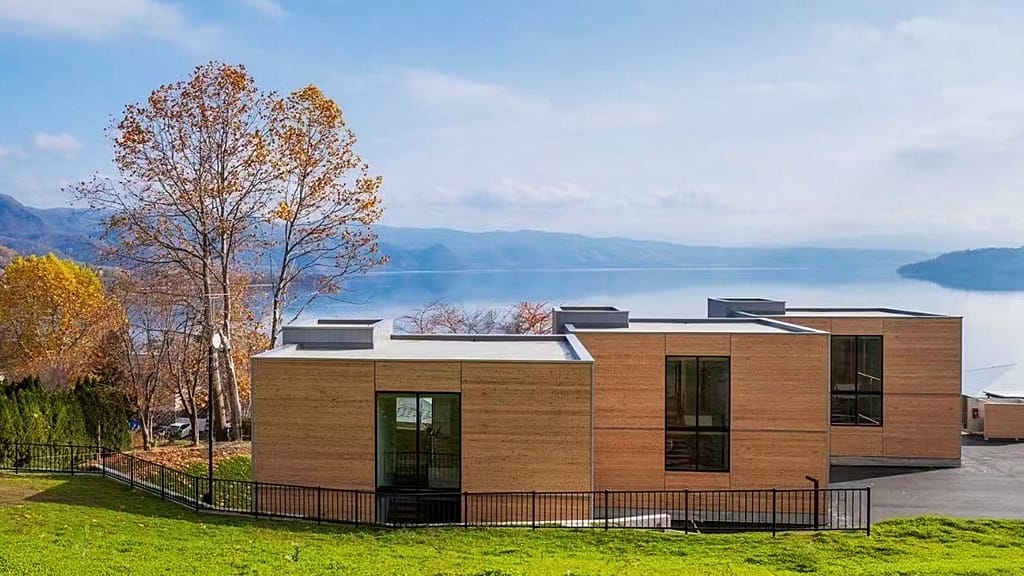
And these villas, each boasting their own ‘onsen’—traditional open-air hot spring baths—aren’t just drawing attention; they’re an homage to Japan’s natural splendor, packaged for global palates. The architecture, with its deep reverence for native timber and clean lines, reflects a cultural sensitivity often overlooked in the rush for commercial expansion. It’s subtle, it’s elegant, — and it screams exclusivity. They’re banking on this particular blend of authentic experience and sheer comfort, expecting to carve out a significant slice of the upscale travel pie. But it won’t be easy.
Because while Hokkaido is renowned globally for its winter sports and postcard-perfect landscapes, the expansion here speaks volumes about where the company perceives the next wave of high-net-worth individuals originates. We’re talking about the new money, folks who crave both solitude — and superlative service. Consider the burgeoning wealth in South Asian nations like Pakistan, where despite domestic challenges, a segment of the population exhibits significant international travel potential. They aren’t just eyeing European boulevards anymore; the allure of Japan, with its unique cultural tapestry and advanced infrastructure, holds a substantial pull. It’s an investment, pure — and simple, in a long-term shift.
Dusit’s strategic timing aligns with a broader trend: Japan’s aggressive push to attract premium tourists, moving beyond the mass market. According to the Japan National Tourism Organization (JNTO), international visitors to Japan spent a record 5.3 trillion yen in 2023, surpassing pre-pandemic levels for the first time. That’s a considerable jump. A large portion of this growth stems directly from high-spend travelers seeking authentic, luxurious experiences away from crowded city centers. These aren’t just tourists; they’re economic engines, their choices shaping regional growth trajectories.
But the calculus isn’t just economic. It’s about perception. A Thai brand setting up shop in Japan’s premier luxury locale also acts as a subtle nod to regional economic integration and soft power projection. It’s like a quiet declaration of confidence in Asian growth, a testament to collaborative rather than competitive frameworks within the broader region. And frankly, other players are watching very, very closely.
📄 POLICY WIRE WHITEPAPER PUBLISHED: PAKISTAN'S NATIONAL SECURITY POLICY PRIORITIES
👉 READ BY CLICKING HEREWhat This Means
This Hokkaido gambit by Dusit—a well-regarded Thai operator—signals a strategic pivot in Asian high-end hospitality, driven by evolving geopolitical and economic currents. On one hand, it represents Japan’s determined effort to diversify its tourism base, drawing in not just the usual suspects but also a burgeoning affluent class from beyond its traditional markets. They aren’t just selling rooms; they’re selling an aspiration. On the other, it reflects a growing confidence among Southeast Asian conglomerates to export their brand of luxury and service across the continent, asserting their capabilities in an increasingly competitive global arena. The emphasis on individual villas and private experiences directly caters to a post-pandemic preference for seclusion, especially attractive to demographics accustomed to discretion and privacy, a common characteristic among many high-net-worth individuals from the Gulf states and parts of South Asia. It’s about security, about exclusivity, — and about comfort.
Economically, Dusit’s expansion here contributes to Hokkaido’s transformation into a year-round luxury destination, shifting its image from merely a winter sports mecca. This kind of high-value investment generally translates into sustainable, specialized local employment and fosters an ecosystem for high-end services. Politically, the movement of investment from a historically neutral player like Thailand into a strategically important location in Japan subtly reinforces inter-Asian economic ties, acting as a bulwark against external dependencies. It’s not front-page geopolitical drama, mind you, but these commercial linkages often prefigure deeper, more resilient partnerships. For regions like South Asia and the Muslim world, such developments offer attractive outbound travel destinations, perhaps subtly fostering greater cultural exchange and understanding through the universal language of luxury travel. It really does tell you a lot about where we’re all headed. Beyond the oval, these quiet moves often shape broader global dynamics. And that’s something worth keeping an eye on.