


Silent Omission: Star Bowler’s Snub Raises Eyebrows in Cricket-Obsessed Pakistan
POLICY WIRE — Islamabad, Pakistan — It wasn’t the roar of the crowd, nor the snap of a wicket, that echoed across Pakistan this week, but a deafening silence. The Pakistan Cricket Board (PCB)...

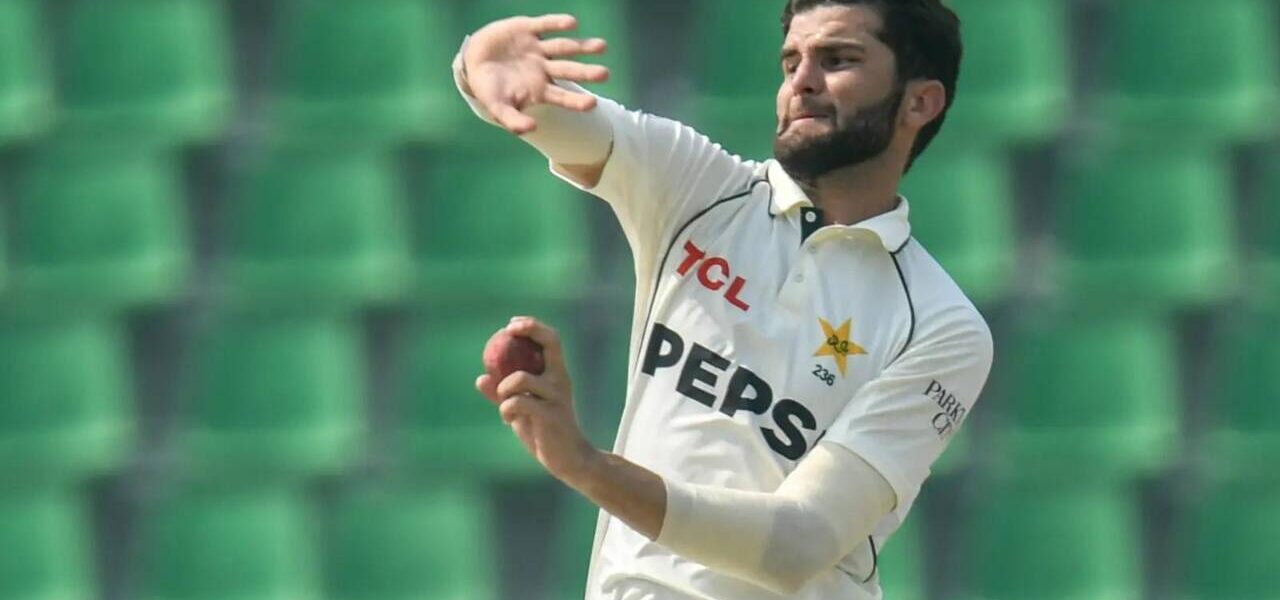
POLICY WIRE — Islamabad, Pakistan — It wasn’t the roar of the crowd, nor the snap of a wicket, that echoed across Pakistan this week, but a deafening silence. The Pakistan Cricket Board (PCB) dropped a quiet bombshell, omitting superstar left-arm pacer Shaheen Shah Afridi from their upcoming Test squads for tours of the West Indies and England. And boy, did it get folks talking. Forget the formal pronouncements—this wasn’t just a selection; for millions, it felt like a slight, a puzzle piece wrenched from the nation’s cricketing heart. It’s never just about the game here, is it?
Aqib Javed, a selection committee bigwig, fronted the press. He sounded awfully measured, speaking in that tone only bureaucrats master—the one that deflects rather than informs. His explanation? “Pace.” We needed more of it, he claimed, after reviewing the last Test series. Like Shaheen—a man routinely clocking over 140 km/h—was suddenly a gentle breeze. “After the last Test series, we felt that we needed more pace, which is why this squad has been selected for the West Indies and England tours,” Javed articulated, almost academically, as if discussing actuarial tables.
This explanation, thin as it was, immediately ran up against public sentiment. Shaheen isn’t just a cricketer; he’s an icon, a household name. You see his face on billboards, kids imitate his menacing run-up in dusty alleyways. Cricket remains Pakistan’s most watched sport, with over 80% of households tuning into major international matches, according to a recent Geo News survey. So when you mess with their heroes, well, you’re not just messing with a sports roster; you’re nudging a delicate national psyche.
Javed went on to clarify, with a perfectly straight face, that decisions are tour-specific. Nobody, he insisted, could decide a player’s long-term fate. “You make selections from tour to tour, and no selector or individual can decide someone’s career or future.” But doesn’t this ring a tad hollow when applied to a player who’s been arguably Pakistan’s most lethal bowler for years? Because honestly, for a talent like Shaheen, such rhetoric sounds less like strategic rotation and more like…well, something else entirely.
There’s always that whisper in the corridors of power, isn’t there? The one about ‘workload management,’ ‘balancing formats,’ ‘giving others a chance.’ Noble intentions, certainly. But Pakistan’s relationship with its cricket heroes—and its cricketing institutions—is often fraught with political undertones and personality clashes. Sometimes, these aren’t just sporting calls. They’re about establishing authority, reminding everyone who’s in charge, even if it means benching your best. We’ve seen this kind of chess game play out in other sports too, where sporting prowess meets corporate realpolitik.
📄 POLICY WIRE WHITEPAPER PUBLISHED: PAKISTAN'S NATIONAL SECURITY POLICY PRIORITIES
👉 READ BY CLICKING HEREA PCB official, who preferred anonymity given the sensitivity of team selections, suggested it’s a necessary, albeit unpopular, evolution. “Look, the game’s moved on. You can’t just trot out the same eleven, match after match, — and expect miracles from exhausted bodies. We’re building for the future, not just the next series.” Sounds pragmatic. But for a nation where cricketing success can literally unify a divided populace—especially during contentious times with regional neighbors—such pragmatism sometimes comes at a political cost. A significant one.
What This Means
This isn’t merely about who gets on a flight to Manchester or St. Lucia; it’s about control, public perception, and potentially the future trajectory of Pakistan’s most powerful sporting brand. Economically, a strong, high-profile team means bigger sponsorship deals, greater viewership—which in turn boosts media revenue—and a stronger international standing. Benching a fan favorite like Shaheen risks alienating segments of that massive fanbase, potentially leading to a dip in engagement, particularly among younger audiences who gravitate towards explosive talents.
Politically, the PCB’s choices are rarely free of scrutiny, because cricket mirrors the national mood so closely. When the team struggles, public outrage often targets the board — and even the government. When it excels, it’s a moment of collective pride, an often-rare instance of national unity. A perceived misstep with a popular player like Shaheen can be framed as institutional arrogance or mismanagement, chipping away at trust. And that matters here, immensely. The narrative the PCB weaves around this omission will either pacify an uneasy public or stoke the fires of dissent. For a body constantly striving for stability — and international credibility, that’s a tightrope walk. They’re not just picking bowlers; they’re calibrating public opinion, whether they realize it or not. This is a game played as much off the field as on it.