


A Breath of Cool Air, A Whiff of Delusion: When Washington’s Forecast Misreads the Globe
POLICY WIRE — Washington, D.C. — The nation’s capital, like many spots across the temperate zone, is bracing for something resembling relief. A fleeting dip in the mercury, a cool front, a brief...

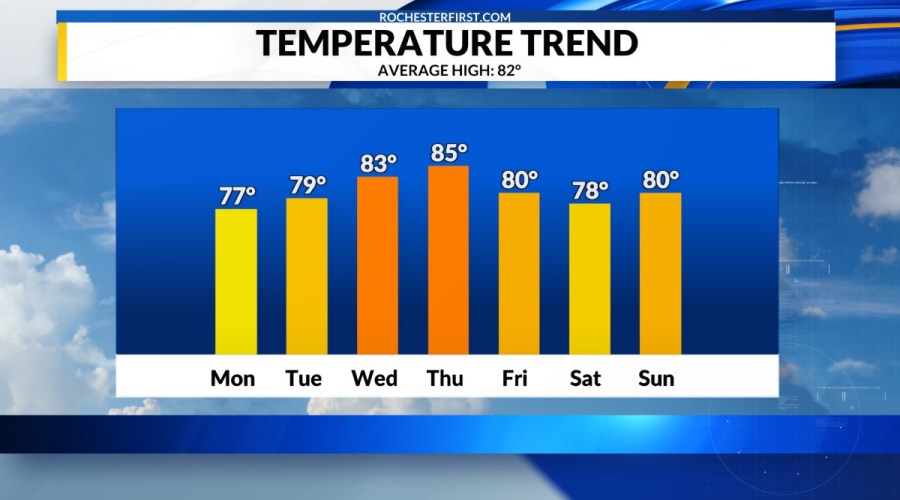
POLICY WIRE — Washington, D.C. — The nation’s capital, like many spots across the temperate zone, is bracing for something resembling relief. A fleeting dip in the mercury, a cool front, a brief meteorological sigh in what has otherwise been a punishing season. Don’t mistake it for a turning point, though. It’s more like a political placebo; a momentary pause allowing leaders, for a beat, to pivot from the immediate sweat and back to their usual theater of bureaucratic maneuvering. Because, really, for the policy wonks and political animals humming beneath the gilded domes, the ‘less heat this week’ memo feels less like a forecast and more like a whispered permission to ignore the larger, inconvenient truths still scorching the planet.
It’s an optical illusion, isn’t it? One cool breeze in an otherwise relentless global sauna. For weeks, air conditioners hummed a symphony of strain, electricity grids groaned, and public discourse, well, it got a bit frayed at the edges. Suddenly, we’re told, temperatures will normalize. But normalize for whom? And at what cost has this temporary truce been struck?
And let’s be honest, this tiny dip hardly registers on the Richter scale of global climatic anxieties. It doesn’t magically repair a strained infrastructure or quell the existential dread gripping communities from Sacramento to Karachi. That’s a stark contrast. In places like Pakistan, a country disproportionately battered by climate change, mere seasonal variations feel like life-or-death pronouncements. The floods of two years ago, the scorching heatwaves before that—they aren’t just headlines; they’re a permanent, scarring reality. This week’s cooling trend in, say, Atlanta or London, is frankly, an almost obscene luxury compared to the relentless climate pressure cooker South Asia endures. They’re still very much battling their own infernos, and not just of the weather kind (one can’t help but remember the complexities explored in ‘Silent Omission’).
“We welcome any respite that helps our citizens, even for a few days,” noted Dr. Anya Sharma, the White House Climate Resilience Advisor, in an almost practiced optimistic tone. “It reduces immediate strain on emergency services — and utility infrastructure. It allows us to catch our breath.” Her words, carefully chosen, skirted the deeper issue. A breath, yes. But then what? You’d think a moment of slight comfort might spark serious re-evaluation, not simply a collective exhaled sigh of forgetfulness.
But that’s where we’re, apparently. While one corner of the world gets a temporary reprieve, the big picture isn’t shifting. The National Oceanic and Atmospheric Administration (NOAA) reports global temperatures last year climbed to their highest in recorded history, a stark 1.18 degrees Celsius above the 20th-century average. It’s a number that doesn’t care for local anomalies, or for the convenient narratives crafted by officialdom when the thermostat gives us a break. And it certainly doesn’t speak to the long-term economic hemorrhaging extreme weather causes—a staggering $485 billion globally in 2023 alone, according to Swiss Re. We’re still hemorrhaging, regardless of a single cooler week.
📄 POLICY WIRE WHITEPAPER PUBLISHED: PAKISTAN'S NATIONAL SECURITY POLICY PRIORITIES
👉 READ BY CLICKING HERE“This cyclical nature, this ebb — and flow, is exactly what makes climate denial so insidious,” observed Dr. Elias Vance, a veteran climatologist from the University of London. “One week of lower temperatures — and suddenly, the public’s memory shortens. It offers political actors the very window they need to postpone truly disruptive, truly effective policy. They won’t solve a crisis they believe isn’t immediate enough.”
And he’s not wrong. It’s almost as if the slight dip offers a subtle permission slip for Washington’s machinery to decelerate, even for a moment, on climate initiatives, rather than to sprint faster. You know, just as fire-ravaged communities in the American Southwest – as detailed in pieces like ‘As Sacaton Burns’ – can attest, a single shower doesn’t undo years of drought or neglect. Political cycles, often tied to quarterly reports and fleeting polls, struggle to reconcile with environmental cycles spanning decades.
What This Means
The political implications of a temporarily cooler forecast, though seemingly benign, are more insidious than they appear. This fleeting meteorological generosity—whether across the US or pockets of Europe—permits governments to table uncomfortable discussions about infrastructure overhaul, carbon taxes, and aggressive green energy transitions. It dilutes the immediacy of public demand for action. Suddenly, those expensive, disruptive measures don’t feel quite so urgent when the AC isn’t battling for its life. Economically, this can translate into missed opportunities for innovation — and investment in climate resilience. It keeps us tethered to fossil fuels for just a little longer, allowing the lobbying machines to spin their yarns about energy security, rather than truly push for transformative change. In an election year, a cooler week is pure political gold, allowing incumbents to breathe a temporary sigh of relief, often at the planet’s long-term expense. It doesn’t solve a single real problem; it just moves the debate’s heat to another week, or another crisis. A delay, always a delay. The problem isn’t gone; it’s merely lurking.