

Azteca’s Crucible: Mexico, England, and the Geopolitics of a World Cup Knockout
POLICY WIRE — Mexico City, Mexico — Estadio Azteca, a venue etched into the very mythology of football—a colossus that has twice seen World Cup dreams realized and shattered—prepares to host another...

POLICY WIRE — Mexico City, Mexico — Estadio Azteca, a venue etched into the very mythology of football—a colossus that has twice seen World Cup dreams realized and shattered—prepares to host another act in this global drama. It’s not merely a football match when Mexico hosts England in the FIFA World Cup 2026 Round of 16. It’s a clash of national temperaments, an echo of colonial histories, — and a raw display of soft power. Lineups are out, sure, but that’s only the paper. The real game? It started weeks ago, a slow burn of expectation — and dread.
Mexico, unblemished so far, enters with a swagger few outside Latin America truly appreciate. They’ve maintained an identical starting eleven, a deliberate choice by their coach, no doubt aiming to bottle lightning again. Goalkeeper Rangel, the defensive bedrock of Sanchez, Montes, Vasquez, — and Gallardo. The midfield trio of Romo, Lira, — and Mora, pulling strings. Upfront, the cutting edge: Alvarado, Jimenez, Quinones. It’s a settled side, humming along, feeling the warm, almost suffocating, embrace of a home crowd that’s practically a thirteenth player.
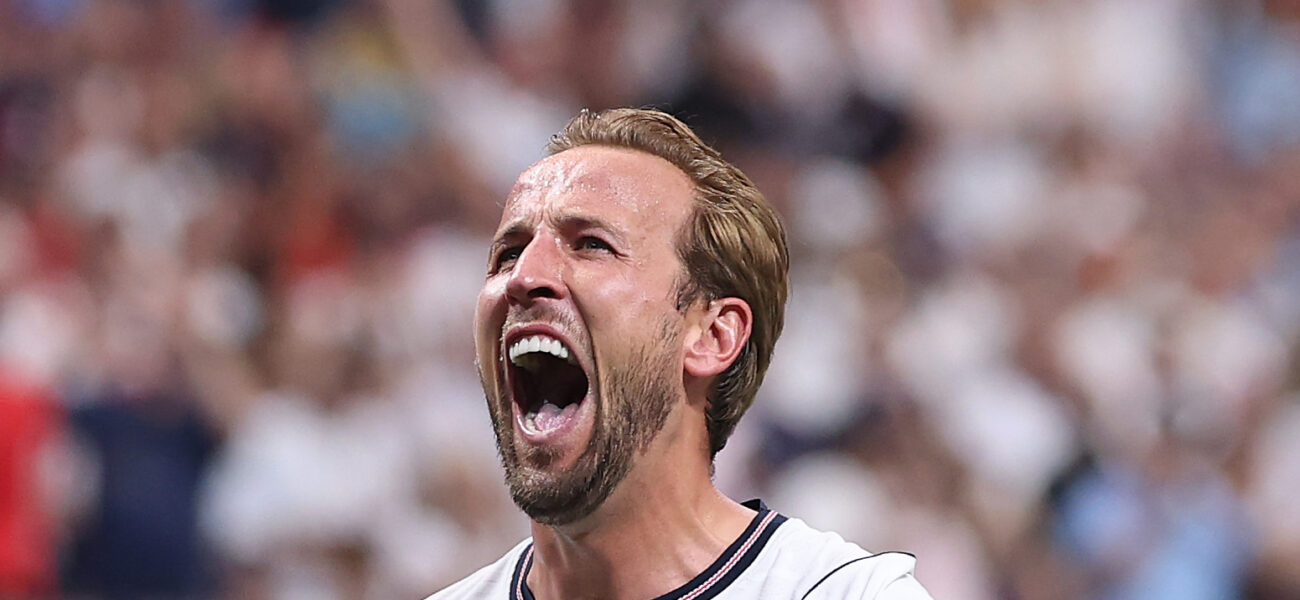
And then there’s England. Three changes, reflecting Gareth Southgate’s eternal quest for the perfect, if elusive, balance. Barrel Quansah steps in for Spence at right-back—a new face under the intense spotlight. Bukayo Saka — and Anthony Gordon get the nod in attack, injecting fresh pace while Madueke and Rashford take a seat. Pickford in goal, a robust backline of Quansah, Konsa, Guehi, — and O’Reilly. Declan Rice anchors the midfield alongside Anderson, while Bellingham acts as the orchestrator. Harry Kane leads the line. It’s a formidable team, a blend of youthful zest and established steel, but one often burdened by the ghost of tournaments past, always threatening to, well, *come home*, but rarely quite getting there.
“This isn’t just football; it’s a statement. A statement of who we’re, right here, on our own soil,” declared Roberto Diaz, Mexico’s Minister of Culture, his voice brimming with a familiar blend of defiance and pride during a pre-match address. “They think they know pressure? They’ll feel ours, every breath.” Such rhetoric, of course, plays directly to the masses. Because sports, particularly a World Cup on home turf, quickly becomes inseparable from national identity and political capital. The victory of ‘El Tri’ would provide a substantial emotional surge, potentially papering over domestic challenges—economic headwinds, social inequalities—if only for a fleeting, glorious moment.
Across the Atlantic, the tone is, predictably, more understated, but the underlying pressure no less intense. “Every match at this level is a weight, a legacy to uphold. But we’re here to play football, pure and simple, and I believe we have the squad to do just that,” remarked Dame Louise Casey, a non-executive director at the English Football Association, choosing her words carefully in a London press conference. There’s an institutional calm, but anyone with a pulse knows England expects. It’s a historical expectation that often turns heavy on the shoulders of the players. One statistic, though, puts it plainly: England hasn’t won a World Cup knockout match against a non-European side away from home soil since 1986. That’s a fair old spell, isn’t it?
📄 POLICY WIRE WHITEPAPER PUBLISHED: PAKISTAN'S NATIONAL SECURITY POLICY PRIORITIES
👉 READ BY CLICKING HEREThe reverberations of such clashes aren’t confined to the pitch or even the continents of the combatants. Nations far removed, like Pakistan, with their own deep-seated passion for sport—though predominantly cricket—watch these global spectacles with an equally fervent eye. It’s the shared human story, isn’t it? The underdog, the titan, the narrative arcs of glory — and despair. What a win means to Mexico, an eruption of civic pride, mirrors the intensity with which a cricket-starved nation might scrutinize a national selection, especially when a star bowler’s snub can ignite national debate. It’s all about tribal loyalty, but on a grander stage.
What This Means
Beyond the simple fact that the winner progresses to face Norway, this game is freighted with symbolic baggage. For Mexico, an advance would solidify their status not just as a host nation, but as a genuine contender, potentially shifting narratives around developing footballing nations. The economic bump from deep tournament runs is also no small thing; tourism, merchandising, national goodwill – it all translates into tangible gains. A loss, on the other hand, particularly on home turf, would be a crushing blow, risking a cynical souring of the national mood after an otherwise buoyant start.
For England, a victory in Mexico City would represent a significant psychological hurdle cleared. It would silence the ever-present doubters — and validate Southgate’s sometimes-maligned tactical approach. But a defeat here? It’s not just an exit; it’s another chapter in a familiar, agonizing story, fueling debates about the team’s mental fortitude, coaching choices, and the eternal, unbearable weight of expectation. It could easily trigger a wider re-evaluation of English football’s infrastructure and national sporting psyche, something no FA director or government minister wants to consider right now. They’ll say it’s just a game. We know better. It’s never just a game when the world is watching, especially not from FIFA’s heavily scrutinized sporting courts.