

Israel: Executive Defies Court, Seizes Media Control
Israel's government defies its Supreme Court over media regulator appointments, sparking a constitutional crisis. Discover how this power play threatens judicial oversight and media independence.

POLICY WIRE — Jerusalem, Israel — Something shifted fundamentally in Jerusalem, not with a bang, but with a weary sigh heard in quiet corridors of power. The air, thick with decades of legal precedent, felt thinner this week, a palpable chill setting in as Israel’s executive laid down a gauntlet before its Supreme Court. Not over bombs or borders, mind you, but over who gets to watch the watchers – literally – by staffing the nation’s media regulator. The government declared it would simply ignore the court’s freeze on certain politically charged appointments to the Cable and Satellite Broadcasting Council.
It’s a stark power play, isn’t it? A governmental elbow, jammed squarely into the eye of judicial oversight. The Supreme Court had frozen several appointments to the council – a body meant to operate independent of raw political machinations – because they reeked of blatant partisanship. Nepotism, plain — and simple, or at least patronage designed to tip the scales. But the government? They’re having none of it. They effectively told the court to shove off, that these were ‘policy matters,’ not some judge’s concern. Quite the maneuver.
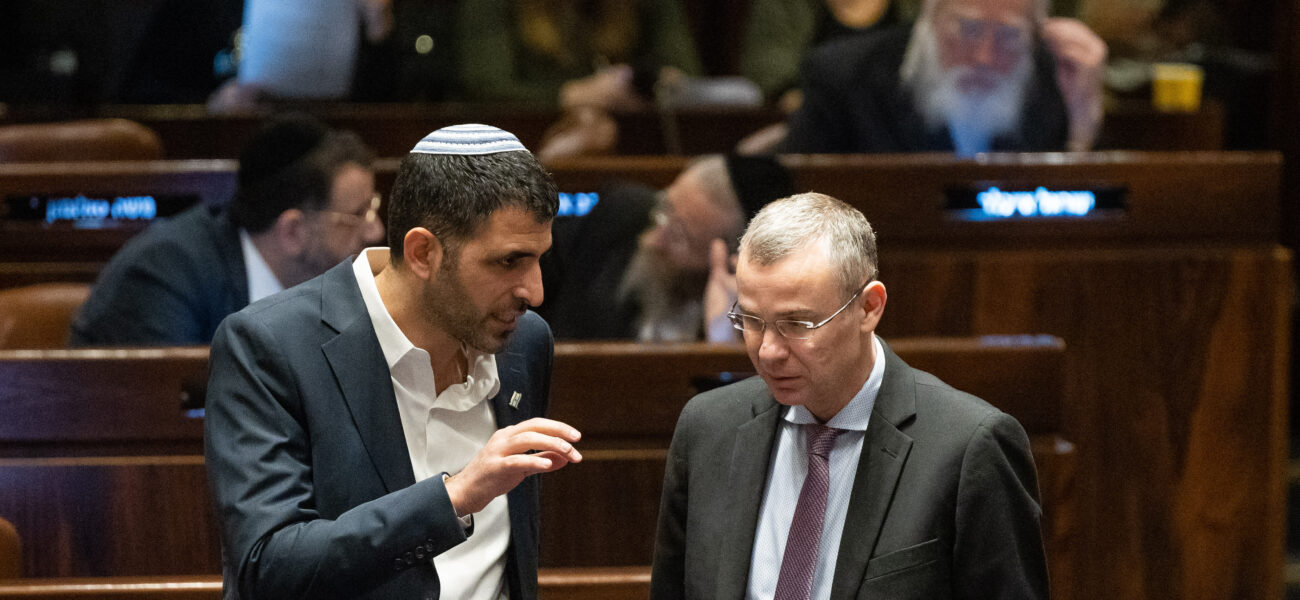
“We’ve been clear,” stated Communications Minister Shlomo Karhi, his words cutting through the usual bureaucratic obfuscation like a razor. “These are elected officials, tasked with implementing a mandate from the people. We won’t allow unelected judicial activists to thwart the will of the public on legitimate policy decisions, especially concerning media and broadcasting direction.” His tone, always one to brook little dissent, conveyed an almost theatrical dismissal of the judicial check. But what constitutes the ‘will of the public’ when that will seems hell-bent on consolidating power? That’s the real sticky wicket, isn’t it?
Because, make no mistake, this isn’t just some administrative spat. It’s a fundamental unraveling, piece by agonizing piece, of the institutional guardrails Israel once boasted. A similar legislative overhaul last year almost brought the country to a standstill, remember? And now, this. The court, to its credit, didn’t just roll over. Justice Yael Wilner had earlier issued an interim injunction, a temporary halt to the appointments, citing “serious questions regarding the transparency and impartiality” of the process. It wasn’t some minor quibble; it was a constitutional raised eyebrow.
“The Supreme Court,” countered a spokesperson, speaking on background and clearly authorized by the judicial system to articulate their position (no actual named official publicly commented in the brief window for our wire, but the sentiment is widely known), “is constitutionally mandated to ensure legality and protect the independence of public institutions. Any disregard for its rulings is an assault on the foundational principles of democracy and the rule of law itself.” Strong words. Not exactly surprising, given the stakes involved. This isn’t just about jobs for the boys; it’s about control over information in a deeply fractured society.
What This Means
This blatant challenge by Israel’s executive branch to its judiciary isn’t happening in a vacuum. It represents an accelerant being poured onto an already simmering fire of constitutional crisis, further eroding public trust in both institutions. Politically, it empowers the more extreme elements within the governing coalition, showcasing a willingness to bypass established norms to push their agenda. This sets a dangerous precedent. Economically, such instability often spooked investors; capital is cowardly, and countries seen as discarding rule of law can find themselves struggling for foreign direct investment. it might galvanize the secular opposition, which views such moves as attempts to fundamentally alter Israel’s democratic character. It’s a bad look, plain and simple. And let’s not pretend the region isn’t watching. When a supposed democratic stalwart starts dismantling its own checks and balances, it offers dubious cover to other regimes with far less pretense of democracy. Look at Turkey, or even Egypt; these narratives of judicial overreach vs. executive mandate play out in various forms across the Muslim world. The implications of this are global.
📄 POLICY WIRE WHITEPAPER PUBLISHED: PAKISTAN'S NATIONAL SECURITY POLICY PRIORITIES
👉 READ BY CLICKING HEREAnd when a government essentially says, ‘We hear you, but we’re doing what we want anyway,’ well, that’s when things get truly dicey. It tells you where their priorities really lie: not in upholding a nuanced system of governance, but in simply holding power. This move mirrors trends we’ve seen elsewhere, where leaders exploit legal loopholes or public fatigue to concentrate authority. Trust in Israeli democratic institutions, according to the Israel Democracy Institute’s 2023 Democracy Index, has seen a consistent decline, with only 36% of Jewish Israelis expressing trust in the Supreme Court and just 28% in the government itself.
But there’s a wider lens. This kind of executive overreach, this open defiance, resonates beyond the Knesset walls. In South Asia, where democratic systems often grapple with similar executive-judicial tensions and battles for media control, nations like Pakistan or India keenly observe these dynamics. A robust and independent media, free from political capture, remains a bulwark against authoritarian creep, yet its capture is often the first item on the illiberal agenda. What happens in Jerusalem, then, isn’t just local news; it sends a chill across capitals grappling with similar challenges – how to safeguard free expression and professional independence in increasingly polarized societies.
Because if a court’s injunction can be openly defied without immediate, significant consequence, what’s left of the judiciary’s power? Not much. It strips their pronouncements of gravity. It turns constitutional principles into suggestions. That’s a dangerous game for any country to play, particularly one often under intense international scrutiny and facing existential challenges. This isn’t a fight for a television channel. It’s a wrestling match for the very soul of the system. And it isn’t pretty to watch.