
Gaza Doctor Jailed: Medical Neutrality in Crisis
The arrest & failing health of Gaza's Dr. Adnan al-Bursh sparks global concern. Policy Wire examines the crisis of medical neutrality and its geopolitical fallout.

POLICY WIRE — Geneva, Switzerland — The world often fixates on missile barrages and political maneuvers, forgetting the smaller, yet equally brutal, skirmishes playing out far from the front lines. Right now, that looks like a renowned physician, locked up, his health reportedly spiraling downwards. It’s Dr. Adnan al-Bursh, the head of al-Awda Hospital in northern Gaza, who, since his arrest in December, has become another grim statistic in a conflict that seems hell-bent on devouring its saviors.
His family tells the press his condition is dire—life-threatening, they claim. He’s held by Israel, without charge, as far as we know. Imagine that: a man tasked with saving lives in an apocalypse-struck region, now reportedly fighting for his own behind bars. It’s a bitter pill, wouldn’t you say? Not just for his loved ones, but for anyone who believes medical staff should remain—must remain—above the fray. But the lines, they’re blurry, or deliberately smudged, in this endless cycle of violence.
Israeli authorities, naturally, paint a different picture. “Our detention procedures are strictly aligned with international law,” asserted Israeli Minister of Defense Yoav Gallant, speaking recently (though not directly on al-Bursh). “We’re not targeting medical professionals; we’re pursuing terrorists who hide behind civilian infrastructure. And no, we won’t apologize for keeping our citizens safe.” It’s a familiar refrain, one we’ve heard time — and again. Yet, human rights groups—and Dr. al-Bursh’s family—see a clear pattern of targeting.
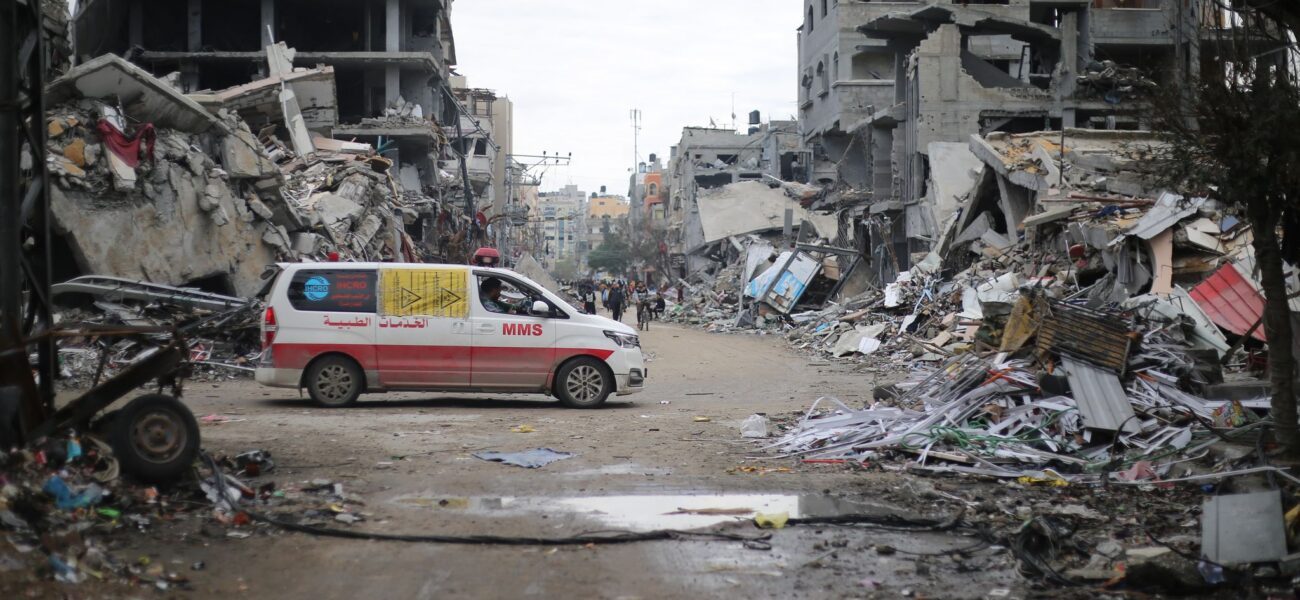
Meanwhile, the Palestinian Health Ministry hasn’t pulled its punches. “This is a flagrant violation of international humanitarian law,” declared Ministry spokesperson Dr. Ashraf al-Qudra, from Gaza. “Doctors aren’t combatants. They’re trying to keep people alive when the world’s looking away. Their detention—and his failing health—are designed to break the spirit of every medical worker here. It’s collective punishment by another name.” He wasn’t wrong, the hospitals in Gaza have been systematically debilitated, with UN OCHA reporting over 70% of Gaza’s healthcare facilities rendered non-functional or severely damaged since the start of the conflict. That’s a staggering figure, leaving an already fragile populace with nowhere to turn.
The echoes of this particular story travel far. Geopolitical jolts often have unlikely origins. The plight of Palestinian medical staff, — and specifically Dr. al-Bursh, isn’t just another sad news item in the Muslim world; it’s a potent symbol. Governments from Pakistan to Indonesia are often quick to condemn what they see as breaches of fundamental human rights against Palestinians. You see fierce, passionate denunciations on the streets of Karachi, where the population deeply identifies with the struggle. Pakistan’s government, for instance, frequently vocalizes its solidarity, framing such detentions as affronts to human dignity that demand immediate international intervention. Because, for many, this isn’t just about a doctor; it’s about the very concept of medical neutrality being ripped to shreds.
📄 POLICY WIRE WHITEPAPER PUBLISHED: PAKISTAN'S NATIONAL SECURITY POLICY PRIORITIES
👉 READ BY CLICKING HEREBut what happens now? The international community offers polite condemnations—or sometimes, not even that—while the realities on the ground simply worsen. And for a seasoned journalist, it’s clear: these seemingly isolated incidents build. They chip away at already precarious international relations, fuel narratives of injustice, and, frankly, make future reconciliation look like a fool’s errand. This isn’t just about the well-being of one physician; it’s about the rotting foundations of rules meant to govern war.
What This Means
This escalating situation isn’t just a humanitarian crisis; it’s a political powder keg, slowly fusing. The reported deterioration of Dr. al-Bursh’s health has immediate implications for Israel’s international standing, especially regarding its adherence to international law and treatment of detainees. Critics will seize upon this as further evidence of what they view as systemic human rights abuses, adding fuel to diplomatic fires in places like the United Nations and the International Criminal Court.
Economically, this sort of high-profile detention, coupled with the collapse of healthcare infrastructure, further destabilizes the already desperate Gaza Strip, making any future reconstruction efforts almost unimaginable. Even global leadership models find little traction in an environment where basic medical care is weaponized or crippled. This single case will likely amplify calls for sanctions and boycotts from pro-Palestinian groups worldwide, potentially creating headaches for nations allied with Israel. More broadly, it deepens cynicism about international institutions and their ability to protect civilians in conflict zones. It’s a chilling reminder: in conflicts like this one, everyone eventually pays a price.