


Paul Pelosi’s Fender Bender: Elite Justice Questioned
Paul Pelosi's minor traffic incident sparks a major debate on elite accountability. Explore how this fuels public distrust in the justice system.

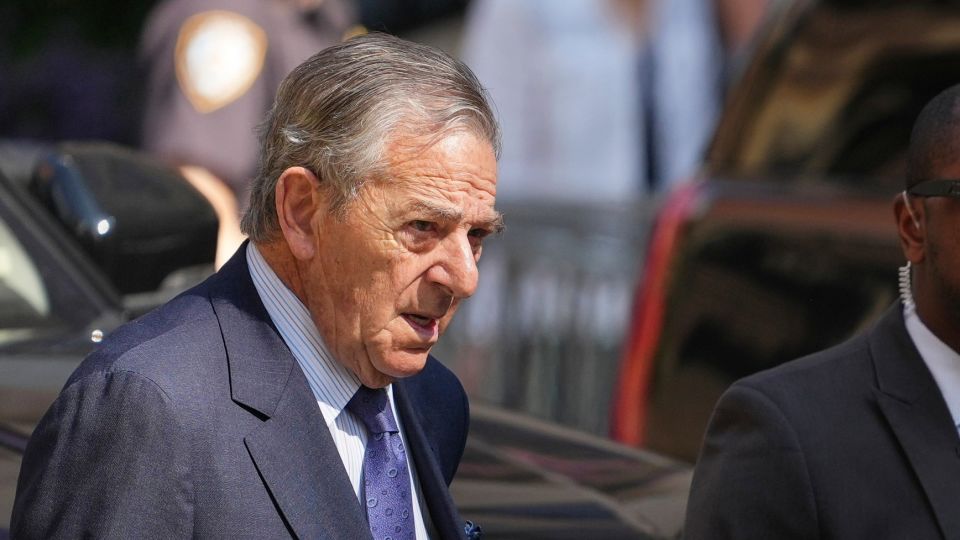
POLICY WIRE — Napa Valley, California — The tranquil, vine-covered hills of California’s famed wine country usually conjure images of leisurely pursuits, not flashing lights and legal entanglements. Yet, a recent minor scrape, involving a well-known name from America’s political firmament, briefly disturbed that serenity. Paul Pelosi, husband to the House Speaker—a figure whose every public breath makes headlines—found himself entangled in what authorities described as a hit-and-run situation. An event that, for anyone else, might merely merit a footnote in local blotter, here takes on a disproportionate weight. That’s how it works when you’re a Pelosi, isn’t it?
It wasn’t a high-speed chase or some Hollywood drama, but a pedestrian fender bender, reportedly with a Jeep. Still, the particulars quickly spiraled. A non-injury accident. But, police protocols don’t really distinguish based on collateral damage. California Highway Patrol began an investigation. And yes, a man, identified as Pelosi, could face charges. Not for grievous bodily harm, or some grand malfeasance, but for leaving the scene of an accident. It’s the kind of bureaucratic hiccup that often snares regular folks, a moment of lapsed judgment becoming a legal quagmire. You don’t need to be a political scientist to understand why this catches the public’s eye.
Because the name attached carries immense, inherited weight. Nancy Pelosi isn’t just any legislator; she’s a figure who’s presided over a deeply divided Congress, navigated impeachments, and weathered the constant political storm for decades. So, her spouse’s comparatively mundane legal troubles—even if eventually dismissed or resulting in a minor fine—are inevitably amplified. It’s part of the bargain when your partner holds the gavel, a sort of spousal accountability for proximity to power. There’s no escaping the glare, folks.
Across the globe, similar dramas play out with frightening regularity. Consider Pakistan, for instance, where the scrutiny over public officials’ family members is often just as intense, if not more so, fueled by a populace long weary of perceived elite impunity. When a local dignitary’s kin gets caught speeding, or has a small traffic incident, the calls for [QUOTE_PLACEHOLDER] due process and equal application of the law echo just as loudly, often with far more volatility. It’s a universal itch, this craving for leaders — and their families to live by the same rules they preach. Public trust in governments globally is at a perennial low, and these kinds of incidents, however minor, do nothing to assuage those fears. A 2023 Gallup poll revealed that just 34% of Americans had [QUOTE_PLACEHOLDER] confidence in the U.S. criminal justice system. That number doesn’t improve when powerful surnames are involved in what appear to be routine law enforcement actions.
Local law enforcement authorities, always careful when dealing with high-profile individuals, stated the case would proceed [QUOTE_PLACEHOLDER] according to standard procedure. We’ll see how that plays out. History, though, suggests a bifurcated reality: one path for the well-connected, another for everyone else. Whether that’s a cynical view or just pragmatic observation, you decide.
But the incident offers a fascinating, albeit minor, window into the incessant media scrutiny surrounding America’s political dynasties. It’s a constant, low-level hum of judgment, ready to erupt at the slightest misstep. Every movement, every financial transaction, every domestic spat becomes fodder. And it’s exhausting. For them, sure, but also for those of us observing this relentless drama unfold. Maybe we’re all a bit fatigued by it.
📄 POLICY WIRE WHITEPAPER PUBLISHED: PAKISTAN'S NATIONAL SECURITY POLICY PRIORITIES
👉 READ BY CLICKING HEREThis episode serves as a quiet reminder. Wealth and influence can open many doors, but they rarely make you truly invisible, particularly in an age where every minor infraction can find its way to a digital loudspeaker. It’s a cautionary tale for anyone residing in that rarified air of influence, because even the smallest misjudgment can be dragged into the unforgiving light of public discourse. Just ask a hundred other political spouses—or better yet, don’t, because their tales aren’t usually front-page news.
What This Means
This incident, small in its material consequence, carries disproportionate political — and social weight. First, it serves as another subtle chip away at the already fragile public trust in institutions and the idea of equal justice. Every perceived special treatment—or even the whiff of it—fuels the narrative that there’s one set of rules for the powerful and another for the plebs. In an election year, or really, any year these days, this is political chum in the water. Opponents will seize on it, turning a traffic violation into a parable about Washington’s detachment. Democrats, already battling perceptions of elitism, certainly won’t welcome this. It reinforces narratives they’re desperate to shed.
Economically, there’s no direct ripple effect, but indirectly, these constant, low-level stories contribute to a broader atmosphere of distrust that can stifle investment, complicate policy consensus, and breed political apathy. When the citizenry believes the game is rigged, they’re less likely to participate, less likely to abide by communal norms. This sentiment is certainly not unique to the U.S. Pakistan’s long struggle with accountability, for example, shows how deep-seated cynicism towards political elites can become a corrosive force on national progress and economic stability. It’s not just about a particular incident; it’s about the compounding effect of similar incidents over time that erode confidence. And eroded confidence isn’t good for democracy, nor for markets. This small episode in Napa just contributes another drop to that ever-filling bucket. For more on the dynamics of political accountability in global contexts, one might consider the price of public opinion in nations with intense political scrutiny. Or perhaps even how American political dynamics are viewed and critiqued more broadly today.