


Lima’s Reluctant Crown: Keiko Fujimori’s Hard-Won Victory Reignites Old Ghosts
POLICY WIRE — Lima, Peru — The confetti might’ve flown, the victory speeches delivered, but down here in Lima, a gnawing sense of democratic unease persists. It isn’t just another...

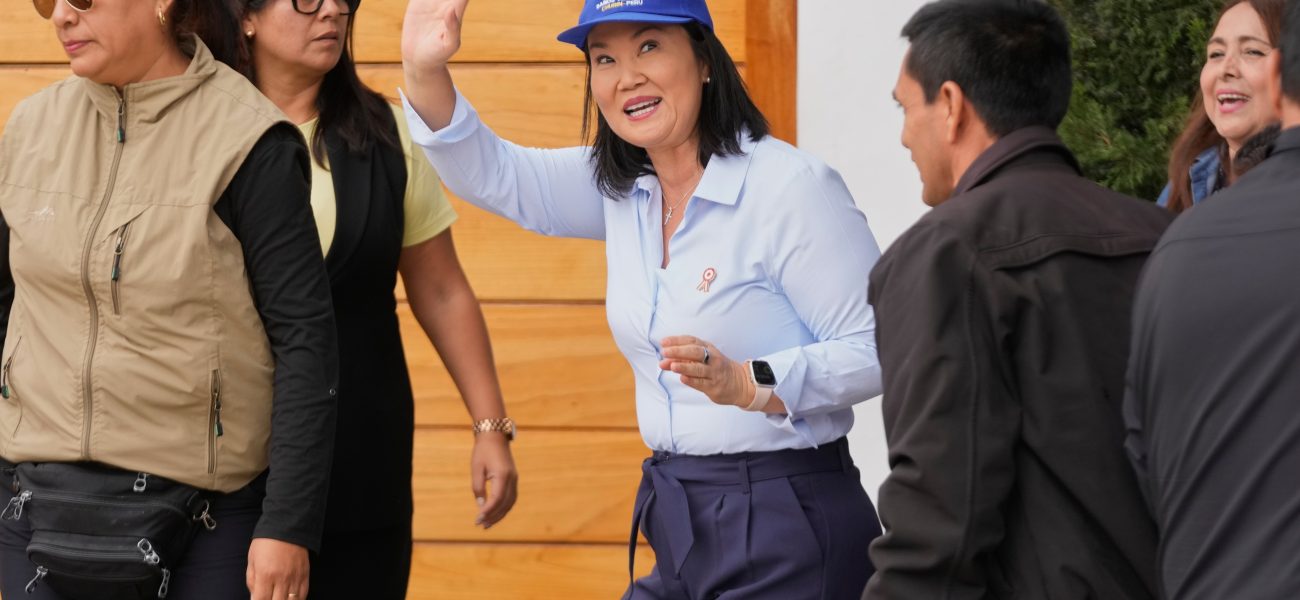
POLICY WIRE — Lima, Peru — The confetti might’ve flown, the victory speeches delivered, but down here in Lima, a gnawing sense of democratic unease persists. It isn’t just another election win; it’s a profound, almost cyclical sigh that’s swept across the Andean nation as Keiko Fujimori, daughter of Peru’s jailed ex-strongman, Alberto Fujimori, finally—finally—claimed the presidency after a brutal runoff. This wasn’t a fresh start, not really. It felt more like an echo, a difficult conversation Peru thought it had finished years ago, stubbornly refusing to stay buried.
Her ascent isn’t some clean slate. No, it’s a canvas already heavy with history—a name synonymous with both stability during a period of fierce insurgency and brutal human rights abuses. This isn’t simply about policy positions; it’s about bloodlines — and legacies. Voters weren’t just picking a leader; they were, in many ways, weighing the very soul of their republic. And boy, did they agonize. It wasn’t exactly a resounding endorsement; think more a grim, desperate choice from a populace exhausted by perpetual crisis.
But she’s in. And that means a lot of things. For the staunch conservative base, it’s redemption—a validation of their vision for a nation where order trumps the often-chaotic dance of democratic ideals. They see a return to a no-nonsense leadership style, maybe even a nostalgia for the supposed economic certainties of the 1990s, however flawed those memories might be. “We’ve had enough of the weak-kneed progressive experiments, haven’t we?” stated Renzo Flores, a local businessman and Fujimori supporter. “What Peru needs is a steady hand, someone who isn’t afraid to make the tough calls to bring back stability. We finally have that. It’s about securing our future, not constantly apologizing for our past.”
Then there’s the other side—the skeptics, the activists, the urban youth who remember too vividly the reports from the CVR (Truth and Reconciliation Commission) detailing the atrocities of her father’s reign. They see this win as a dangerous flirtation with authoritarianism, a step back for a fragile democracy still learning to stand on its own two feet. This is why it’s never just about economic growth for many Peruvians; it’s about justice, accountability. Like many emerging democracies struggling with corruption and authoritarian tendencies—you see similar patterns echo from Jakarta to South Africa’s political sagas—the allure of a strong leader promising stability can often overshadow concerns for due process and human rights.
Keiko Fujimori herself has tried, repeatedly, to soften her image. She promises respect for institutions, democratic norms. “My administration will honor the democratic process — and the rule of law. That’s non-negotiable,” she declared in a surprisingly subdued press conference following the results. “The challenges facing Peru demand unity, not division. I’ve learned from history, and I’m committed to building a stronger, more inclusive nation for all Peruvians.” Her words—diplomatic, measured—ring somewhat hollow for those who recall her father’s swift, decisive actions that often sidestepped those very institutions. Her past campaign pledges often carried hints of paternalistic state control.
Consider the broader Latin American landscape, already peppered with leaders riding populist waves, or the ongoing democratic struggles in regions like South Asia. Dynastic politics, a recurring theme, often complicates these narratives. Whether it’s the Bhutto family in Pakistan or the Awami League’s Sheikh Hasina in Bangladesh, the names carry both legacy and baggage. In Peru, the Fujimori name itself commands an almost primal response: fierce loyalty or equally fierce opposition. And it’s a powerful thing, that. It’s what allowed her to survive multiple runs, corruption allegations, even brief incarceration.
This election was, statistically, an incredibly tight affair. She barely scraped by—some sources suggesting a margin as narrow as 0.3 percentage points, reflecting a deeply divided electorate (Economist Intelligence Unit, 202X election analysis). That kind of hairline victory doesn’t grant a massive mandate, does it? It grants a tightrope. One wrong step, — and she’ll be facing an emboldened opposition, hungry for a recount of historical grievances.
What This Means
The immediate political implication is, predictably, continued polarization. Her victory, rather than healing divisions, will likely solidify them. We’re going to see a test of institutional strength: Can the judiciary, the legislative, and the press—already battered and often distrusted—hold an administration with such a loaded name in check? The economic outlook is just as murky. Her pro-business stance might initially calm investors wary of more radical alternatives, but ongoing social unrest from aggrieved factions could disrupt projected growth. The political tightrope walk could easily spill into the economic realm.
For the region, Keiko’s win presents a fascinating, if concerning, case study. It highlights how persistent authoritarian legacies can be, even within evolving democracies. And globally, it’s another data point in the rise of right-wing, sometimes nationalistic, leaders promising order in tumultuous times. Don’t expect Peru to suddenly become a shining example of democratic harmony. We’re watching an old play with a familiar lead, — and the script feels… uncomfortably familiar. The challenge for her now isn’t just to govern, but to convince a significant portion of her country that she won’t replicate the parts of her family’s past they desperately want to forget. Good luck with that, I suppose. Some historical scars, you know, they just don’t fade. Especially when they haven’t been truly healed. Freedom, after all, is a tricky thing to define when its boundaries keep shifting.