

Policy Lens: How Sports Shape National Identity
Global sports reveal national identity, soft power, and collective psyche. POLICY WIRE examines how these events unify nations and impact policy decisions.

POLICY WIRE — Washington, D.C. — Beneath the cascading cheers and spontaneous street parties, the global spectacle of football’s premier tournament often masks a complex interplay of national identity, soft power, and domestic catharsis. It isn’t just about balls hitting nets, you know. For policymakers, what plays out on the meticulously manicured pitch can sometimes offer a raw, unvarnished glimpse into a nation’s collective psyche—its aspirations, frustrations, and the fierce pride it hoards.
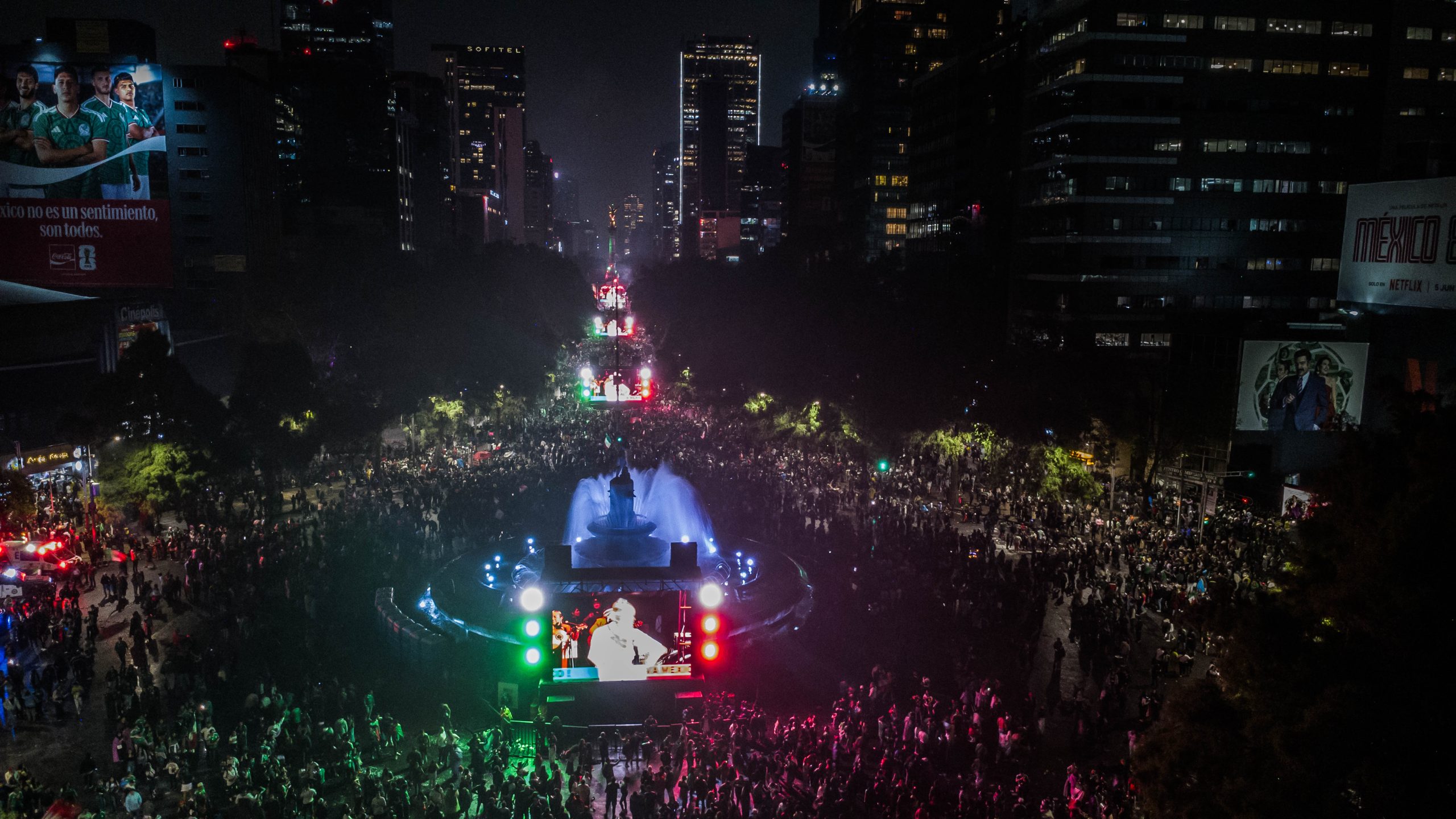
Take this past Tuesday. The world was awash in the visceral emotions of advancement, particularly for two nations whose jubilant outbursts resonated far beyond stadium walls. Norway, methodically securing its return to the knockout stage after an almost three-decade absence, provided a study in disciplined relief. Then, across the Atlantic, Mexico unleashed a torrent of unbridled joy, booking their ticket to the round of 16 without conceding a single goal, prompting millions to spill onto streets from Tijuana to Cancún.
It was a heady evening, seeing those Mexican fans—they weren’t just watching a game; they were performing a civic duty of celebration. The Ángel de la Independencia, that iconic monument in Mexico City, transformed into a pulsing epicenter of nationalistic fervor, an almost primal scream of collective vindication. But this isn’t mere fanfare; it’s significant.
Foreign Minister Alicia Bárcena, observing the eruption of pride, put it plainly: “This isn’t just about football; it’s about what Mexico can achieve when it stands together. It’s a reminder of our spirit, our tenacity, — and the sheer joy of our people. Such moments unify a nation, allowing us to put aside differences, if only for a night.” Her words echo a truth many a political leader understands: a winning team is sometimes the quickest balm for a restless populace. But it’s also a tool for projection.
Norway’s cultural export, the ‘rowing’ celebration that’s gone thoroughly viral, embodies a different kind of national statement: a cohesive, synchronized effort leading to shared success. Even when they’re simply having fun, there’s a structure to it. Norway’s Minister for Culture and Equality, Lubna Jaffery, noted, “Returning to the world stage, especially after such a long absence, is more than a sporting achievement. It reaffirms our position, culturally and internationally, showing a vibrant, competitive spirit that extends to all facets of Norwegian society.” It’s a point, too, about endurance, about building quietly towards something important.
And speaking of collective mood, one can’t help but notice how profoundly these sporting narratives affect social cohesion, or even how underlying dissatisfaction finds its outlet. For nations like Pakistan, where cricket reigns supreme, or indeed across South Asia and much of the Muslim world, football is rapidly gaining ground, providing another platform for national expression. The fervor witnessed in Mexico City isn’t alien to the passionate supporters in Lahore or Cairo, who equally crave moments of shared glory and unified identity—moments that, unfortunately, often feel harder to come by in a fractured world. Because, let’s face it, political gains are hard; sports wins, however fleeting, feel pure.
Globally, sporting events like the World Cup are reported to generate hundreds of billions of dollars in economic activity, a fact that FIFA’s coffers demonstrate year after year. The last World Cup, for instance, drew an audience of over 5 billion viewers, according to FIFA itself, underscoring its unmatched ability to capture mass attention. This isn’t a mere sideline; it’s a colossal economic engine — and a social glue.
What This Means
The immediate policy implications of a team’s success or failure on the global stage are rarely direct, at least in the short term. No nation shifts its diplomatic posture based solely on a quarter-final defeat. However, the emotional currents unleashed by these tournaments provide an invaluable—and sometimes unsettling—read on the national mood. For leaders, such moments offer a window to public sentiment. They can momentarily distract from domestic policy headaches or, conversely, magnify latent discontent if the national team underperforms. It’s all about perception, isn’t it?
For developing nations, especially, football can be a rare vehicle for global recognition, a chance to project an image of vitality and competitiveness that diplomacy or trade negotiations might struggle to convey. It’s nation-branding writ large, funded by jerseys — and broadcasting rights. the massive, simultaneous collective experiences of winning—or even just competing with honor—serve as critical mechanisms for maintaining social cohesion. They create shared memories, solidify cultural narratives, and remind citizens of a common identity, perhaps overriding, for a while, the fractures of day-to-day politics. Consider the recent heatwaves gripping the US—even during such serious challenges, the world paused, just a little, to watch the drama unfold. The sheer spectacle provides an undeniable, albeit transient, unity.
Ultimately, while ostensibly apolitical, these athletic contests are anything but. They’re grand expressions of nationalism, commercial powerhouses, and profoundly human dramas played out on an international stage, influencing more than just the scoreboard.