


New Mexico Voids $400M Utility Deal, Citing Law Breach
New Mexico regulators voided a $400M PNM-Blackstone stock deal for violating state law. This ruling sends a stark warning to private equity and reinforces regulatory power.

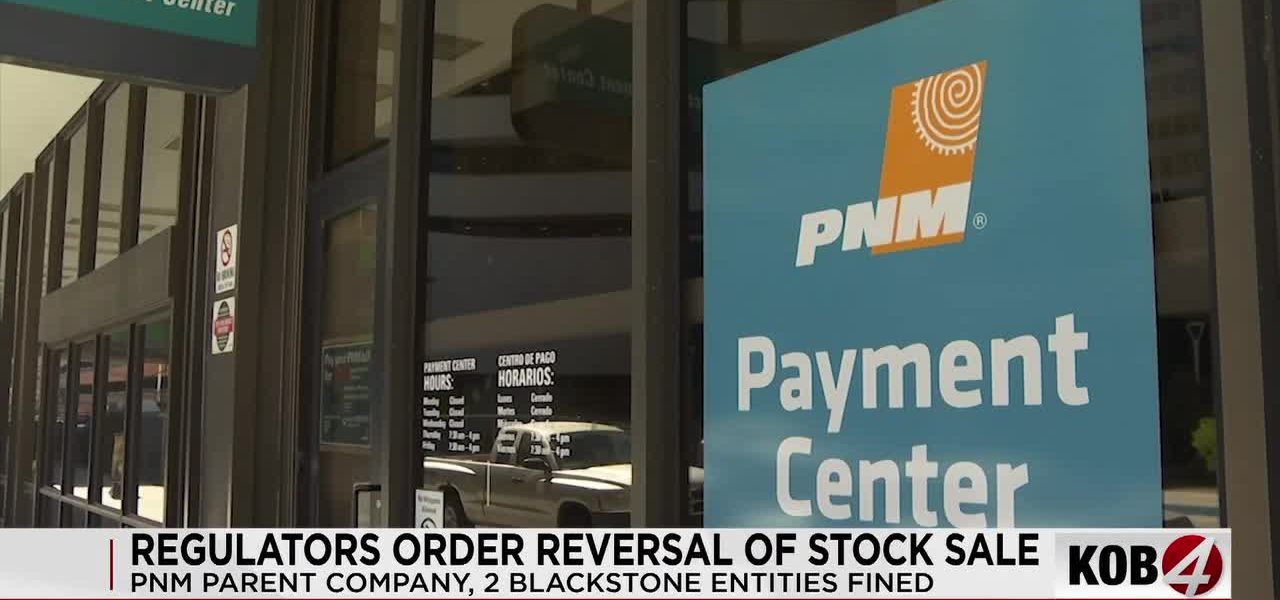
POLICY WIRE — Santa Fe, N.M. — It wasn’t the knockout blow many had anticipated for a contentious utility merger, but the message from New Mexico’s Public Regulation Commission was unmistakably clear: play by the rules, or face a painful reversal. And Thursday, the state’s watchdogs delivered a stiff upper-cut, ordering PNM’s parent company to unwind a whopping $400 million stock deal with the very private equity titan, Blackstone, hoping to absorb New Mexico’s largest electricity provider.
Some might call it a costly misstep, others a blatant disregard for established procedure. But for the three companies involved – PNM subsidiaries TXNM Energy, TroyTopCo, and Troy ParentCo (all Blackstone entities) – it’s a direct order to unspool what they’d already wrapped up. The PRC, in a 2-1 vote, upheld findings that this stock purchase, an acquisition of 8 million shares of TXNM common stock in July 2025, violated state law. See, they didn’t bother asking for permission first, a basic courtesy when you’re dealing with the power grid of an entire state.
A cool $100,000 fine was levied on each of the three culprits, a combined $300,000 for what amounted to jumping the gun. “You don’t get to simply bypass the regulatory process just because you’re a big-name investor,” stated Commissioner Sarah Chavez, a vocal proponent of consumer protection, exclusively to Policy Wire. “Our role is to safeguard the public interest, and that includes ensuring proper oversight of deals that affect essential services. This decision is a firm reminder that nobody is above the law.”
That $400 million exchange? The commission declared the financing transaction void, null, — and without effect under state law. PNM and Blackstone now have 45 days to file a report detailing how they’ve reversed course, returning to square one. A spokesperson for PNM, who declined to be named but shared sentiments on background, expressed disappointment but noted, “We’re committed to complying with the Commission’s order and remain confident that the overarching merger application, once thoroughly reviewed, will demonstrate significant benefits for New Mexico ratepayers and our energy future.” It’s boilerplate, sure, but it’s what you say when the chips are down.
The commission, shrewdly, stopped short of scuttling the merger application altogether. That would have been the easier, more dramatic path. But by voiding the stock deal, they’ve bought themselves time — and put the involved parties on a tight leash. That primary application’s timeline? It’s now definitely going to be extended, maybe considerably, as the PRC takes its sweet time verifying compliance. Because this isn’t just about New Mexico; it’s about signaling to private capital, everywhere, that regulators still bite.
The implications ripple far wider than just the dusty streets of Santa Fe. Think about global infrastructure markets. From Karachi to Cairo, nations across South Asia — and the Muslim world are grappling with similar pressures. Private equity, awash with cash, is aggressively pursuing stakes in national power grids, ports, and telecom infrastructure. Regulators in places like Pakistan, for instance, are increasingly scrutinizing foreign direct investment in their burgeoning energy sectors, trying to balance economic growth with sovereignty and the reliable provision of critical services. A recent study on emerging markets by Kearney revealed that state-owned utility sales to private foreign investors face, on average, 1.7 times more regulatory hurdles than domestic private sector deals, highlighting a global pattern of heightened scrutiny for cross-border infrastructure acquisitions.
This isn’t just a New Mexico phenomenon; it’s a playbook for others watching how American states wrestle with deep-pocketed firms looking to consolidate power. The idea that you can skirt established rules, even for a ‘pre-merger’ arrangement, often catches regulators flat-footed. Not this time.
What This Means
This decision, while not a final verdict on the entire merger, sends a potent, unambiguous message: regulators hold significant sway, especially when essential services are on the line. Politically, it’s a win for state oversight — and consumer advocates. It showcases a commission unwilling to be steamrolled, reinforcing the idea that public good trumps private expediency. Expect other state commissions across the U.S. to take note. This isn’t an isolated incident; it’s a growing pushback against the perception of private equity having unfettered access to public utilities.
Economically, this is going to slow things down, considerably. It’s a delay, and delays cost money. Both PNM — and Blackstone now face extended legal and administrative costs, not to mention reputational ding. It also adds a layer of uncertainty for other private equity firms eyeing regulated sectors, forcing them to re-evaluate their engagement strategies. It means more paperwork, more lobbying, and certainly more careful navigation through bureaucratic channels, as this incident underscores the potential for multi-million dollar deals to unravel if the letter of the law isn’t respected. Ultimately, it’s a firm reminder that regulatory compliance is not a suggestion—it’s a hard and fast requirement, and violating it, even tacitly, can bring down the hammer on even the most well-funded corporate giants. It’s a stark illustration of how shadow games are often illuminated by clear, public scrutiny.