

Jordan’s Fading Lifeline: Two Children Lost, Echoes of a Contested River
POLICY WIRE — Amman, Jordan — The whispers along the Jordan River today aren’t the ancient prayers of pilgrims or the murmur of bountiful agriculture. No, they’re the muffled cries of a...

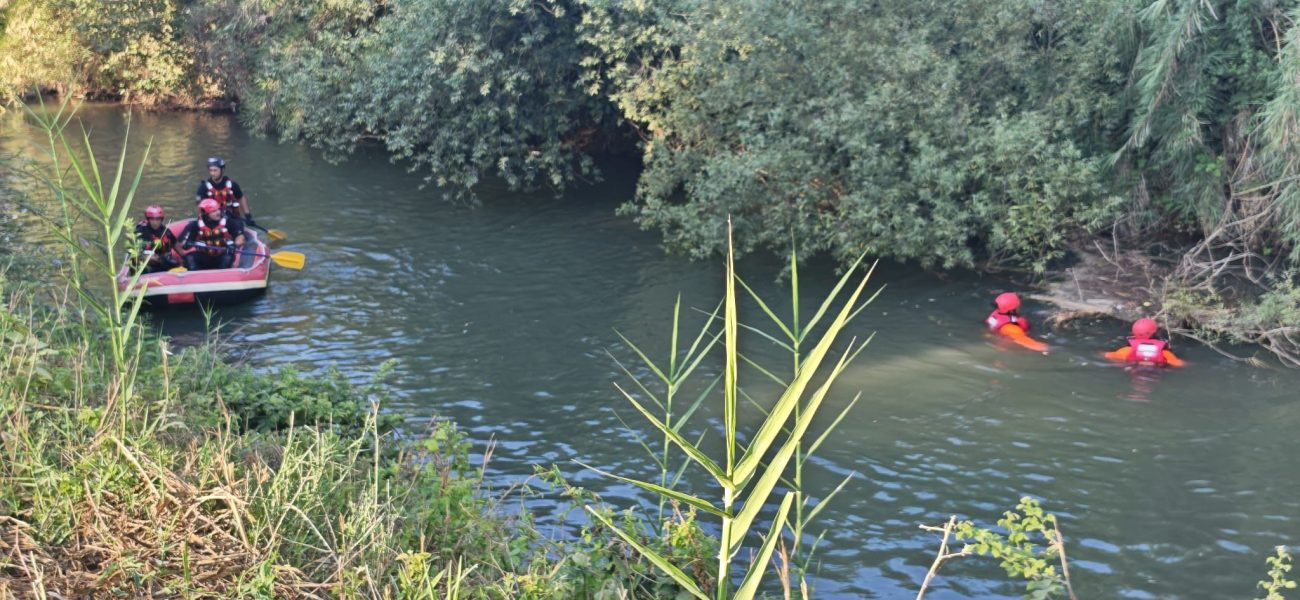
POLICY WIRE — Amman, Jordan — The whispers along the Jordan River today aren’t the ancient prayers of pilgrims or the murmur of bountiful agriculture. No, they’re the muffled cries of a nation trying to comprehend an all-too-familiar, horrifying outcome. Rescue teams, their faces grim, didn’t find hope this week; they located the small, innocent forms of two missing girls, swept away by the very currents that once symbolized life itself.
It wasn’t an earthquake, a sudden political tremor, or even an act of intentional malice. It was the river – that shrinking, often polluted, and perpetually contested ribbon of water – that exacted its devastating toll. Hours turned into an agonizing vigil for families, only to culminate in the discovery of their daughters, names withheld for privacy, in the downstream embrace of what has become one of the world’s most ecologically compromised waterways. A stark reminder, isn’t it, of how mundane neglect can inflict truly monumental sorrow.
“Every drop of water in our beloved Jordan has a story, and too many now end in heartbreak,” commented Jordan’s Minister of Water and Irrigation, Abdullah Al-Khalifa, his voice tight with what seemed like genuine grief during a brief, somber statement. “We’ve committed resources, yes, but clearly, we must do more to secure the safety of our children near these vital, yet sometimes treacherous, waterways.” But ‘more’ can feel like a fleeting promise in a region perennially short on resources, and long on historical grievances.
Because, what we often forget, fixated as we’re on abstract geopolitical maps, is that people actually live along these lines. They build homes, they raise families, they allow their children to play – sometimes too close to waters whose nature has fundamentally changed. The Jordan River, revered in scripture and central to countless ancient narratives, is today a fraction of its historical flow. Diversions by bordering nations – namely Israel and Syria – mean its current is weaker in some stretches, yet deceptively swift and perilous in others, especially after seasonal rains.
And then there’s the quality issue. “The river isn’t just diminished; it’s an open sewer in many sections,” explains Dr. Zahra Batul, Director of the Amman Center for Environmental Stewardship, pulling no punches. “The flow from untreated sewage and agricultural runoff means it’s not merely physically dangerous, it’s biologically dangerous too. You simply cannot ignore the direct correlation between ecological degradation and human vulnerability.” According to a 2020 report by EcoPeace Middle East, up to 95% of the Jordan River’s historic flow has been diverted, replaced increasingly by brackish and wastewater. Not exactly the pristine waters many envision.
📄 POLICY WIRE WHITEPAPER PUBLISHED: PAKISTAN'S NATIONAL SECURITY POLICY PRIORITIES
👉 READ BY CLICKING HEREThe tragedy isn’t isolated, of course. Similar grim tales unfold across the wider Muslim world, from the drought-stricken basins of Pakistan where desperate farmers try to irrigate increasingly parched lands, to the overflowing, monsoon-swollen rivers of Bangladesh. The lack of robust infrastructure, clear public safety guidelines, and often, sheer governmental capacity to enforce them, leaves children—always the most vulnerable—disproportionately exposed to natural hazards. It’s a systemic weakness, a silent crisis unfolding at the margins.
These two girls didn’t drown in a pristine alpine lake; they perished in a river caught in a generations-long tug-of-war for its lifeblood. Their deaths become another footnote in the much larger narrative of environmental neglect, water scarcity, and the forgotten human cost of political deadlock. It’s an uncomfortable truth: when nations prioritize power and resource hoarding over shared stewardship, the ultimate price is often paid by those with the least say – by the most innocent among us.
What This Means
The somber discovery in the Jordan isn’t just local news; it’s a searing commentary on regional instability and the desperate stakes of environmental policy – or lack thereof. Politically, Jordan is walking a tightrope, managing its precious, dwindling water resources while trying to maintain peace with neighbors. This incident, while an accident, will inevitably add pressure. Expect renewed calls domestically for improved river safety, better monitoring, and perhaps, a push to revisit long-stalled regional water-sharing agreements. But that’s a big ‘perhaps,’ considering how intractable those discussions usually get. Economically, neglecting the river’s health doesn’t just harm the environment; it erodes tourism potential, impacts agriculture in crucial riparian zones, and creates public health burdens that strain already stretched national budgets. And the long game? It signals that even if grand diplomatic breakthroughs on Jerusalem or Gaza seem distant, practical, life-sustaining cooperation on shared resources like water remains a forgotten imperative. It’s not glamorous, no, but for families living near its banks, it’s literally a matter of life — and death.