


NM Regulators Void Blackstone’s $400M Energy Deal
New Mexico regulators void Blackstone's $400M energy deal, citing legal violations. Discover how local rules tripped up a global investment giant.

POLICY WIRE — SANTA FE, N.M. — It’s often said money talks, especially when it’s 400 million dollars. But in New Mexico, a few public servants just proved that, sometimes, rules yell louder—much, much louder. What seemed like a done deal, a quiet strategic move cementing a corporate behemoth’s reach into the American Southwest, has gone sideways. Not with a whimper, mind you, but with a categorical thud that’s echoing through executive boardrooms.
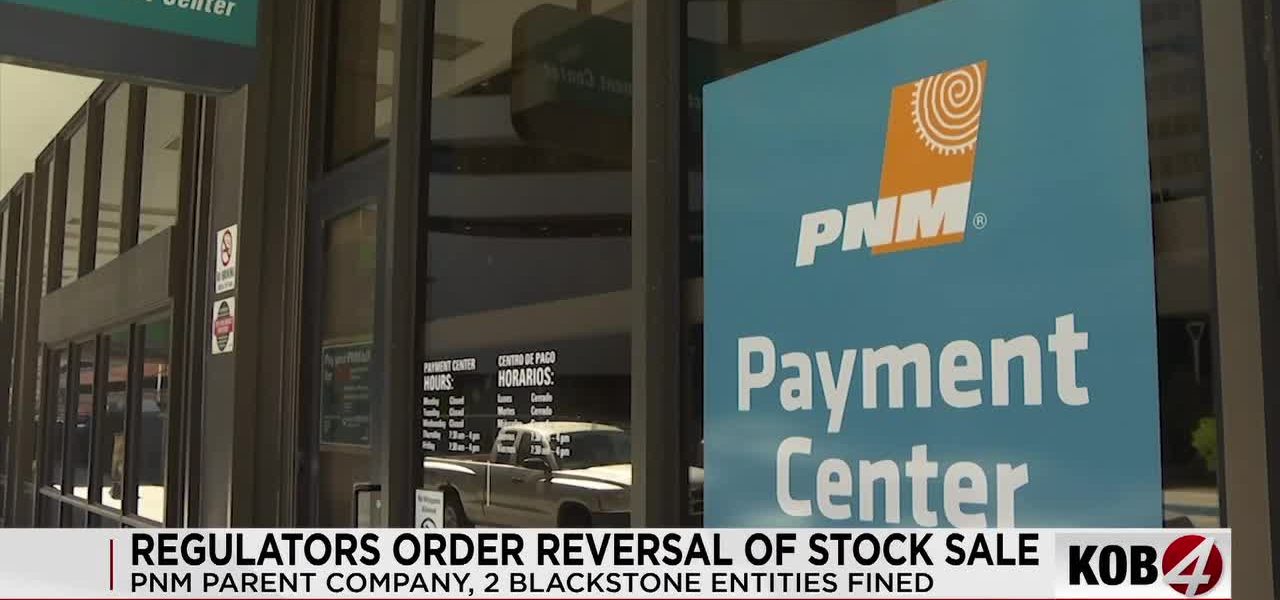
Just this week, state regulators delivered a blunt message: playing fast and loose with procedural red tape won’t cut it. The target? None other than investment giant Blackstone — and its utility acquisition in the making. That big, chunky $400 million stock deal, a hefty sum indeed, isn’t just paused; it’s effectively evaporated. The Public Regulation Commission didn’t just wag a finger; it issued a direct mandate to undo the entire thing. It’s a harsh dose of reality for corporate titans, reminding them that local regulations—those pesky, seemingly minor steps—can still trip up the biggest players.
See, here’s the rub: TXNM Energy, alongside TroyTopCo and Troy ParentCo—both subsidiaries of Blackstone, by the way—apparently cut corners. These companies struck a deal that violated state law by not first seeking approval from the PRC, according to the commission’s recent findings. It wasn’t a small infraction either. And it landed them in deep regulatory water. The commission’s hearing examiners weren’t persuaded by corporate maneuvering, pushing for—and securing—a 2-1 vote from the PRC to agree with their assessment. A simple majority, but oh so effective. Those fine folks on the commission found that Blackstone and PNM completed the sale “for the purposes of” the proposed merger, implying intent behind the oversight.
It’s not just a voided transaction either. Each of the three companies now gets to fork over a six-figure sum. A cool $100,000 fine for each of them. For companies that routinely deal in billions, it’s not exactly crippling. But the optics? Pretty bad. It sends a chilling message to anyone eyeing assets in the state without due diligence. It tells us that regulators, even in seemingly routine matters of public utilities, can still pack a surprising punch.
But how do such decisions resonate beyond the arid landscapes of New Mexico? For sovereign wealth funds and investment groups—say, from the bustling financial hubs of Dubai or the burgeoning private equity scenes in Pakistan and Malaysia—this isn’t just an isolated case of regulatory overreach in a distant U.S. state. It’s a textbook lesson. The global investment climate, particularly for infrastructure — and public services, is increasingly under a microscope. When entities like Blackstone, with their immense global reach and experience navigating diverse regulatory frameworks, get tripped up, it highlights a universal truth: local compliance matters everywhere. Pakistan, for instance, a nation often trying to woo foreign direct investment into its energy sector, needs to observe how the predictability and enforcement of regulatory compliance can make or break international trust. The clear-cut enforcement here, even against a titan, could be seen as either a reassuring sign of governance for potential investors or a cautionary tale about unexpected hurdles. It just depends on your perspective.
📄 POLICY WIRE WHITEPAPER PUBLISHED: PAKISTAN'S NATIONAL SECURITY POLICY PRIORITIES
👉 READ BY CLICKING HERENow, for the mechanics: The commission declared the financing transaction void — and of no effect under state law. Which sounds incredibly technical, but the bottom line is they’ve to reverse it. It’s like un-baking a cake. And it’s not optional. The decision requires PNM and Blackstone to let the PRC know they’re complying by filing a report within 45 days showing how they unwound the transaction. Expect some high-priced legal talent to be earning their keep on that one. This isn’t the final curtain on the acquisition attempt though. The commission stopped short of immediately denying the pending merger. Which is interesting, isn’t it? That application’s timeline will likely be pushed back while the PRC assesses whether PNM and Blackstone are abiding by the decision.
What This Means
This ruling is more than just bureaucratic housekeeping; it’s a statement. Politically, it flexes regulatory muscles, asserting that the state, not corporate capital, dictates the terms of large-scale deals impacting its populace. It’s a win for consumer advocacy groups — and anyone suspicious of corporate maneuvering behind closed doors. Economically, it introduces an element of friction and perhaps, ironically, some transparency into the merger and acquisition process within the state. This setback might cause other potential investors to double-check their legal teams’ homework, even on minor aspects of due diligence.
For PNM, the uncertainty looms. Their ambitious merger now faces not just a delay, but a requirement to undo a significant financial arrangement. This sort of instability can erode investor confidence and impact long-term planning, particularly when the utility’s future ownership hangs in the balance. For Blackstone, a firm accustomed to charting its own course, this is a very public wrist-slap—a reminder that not every jurisdiction will simply rubber-stamp their strategies. It’s an instance where local authority truly took charge, demonstrating that the global M&A playbook needs localized edits. A big, very expensive reminder, I guess.