
Venezuela: Post-Quake Medical Catastrophe Looms
Post-earthquake Venezuela faces a looming medical catastrophe. Thousands displaced lack clean water & sanitation, overwhelming hospitals. Aid warns of deadly disease outbreaks.

POLICY WIRE — Thousands of displaced Venezuelans now confront a perilous future marked by dire health threats, living under what aid organizations describe as dismal sanitary conditions. The ongoing struggle for clean water and the escalating strain on an already fragile healthcare system point to an emerging medical catastrophe in the wake of the June 24 earthquakes that have claimed over 2,000 lives. (Reporting based on Reuters)
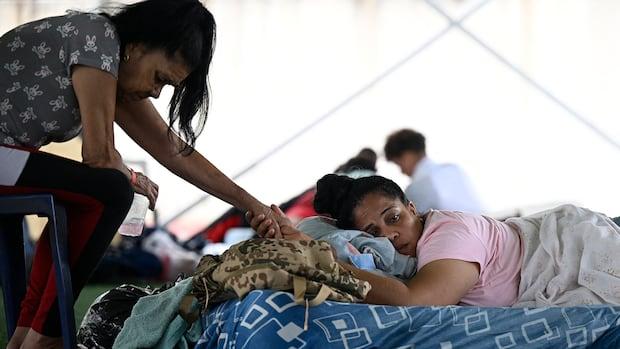
The twin tremors that rocked the nation earlier this month not only devastated infrastructure but also triggered a profound humanitarian crisis. Entire communities found themselves uprooted, their homes reduced to rubble, forcing families into overcrowded temporary shelters or makeshift camps. It’s in these new, precarious environments that the risk of disease transmission escalates dramatically. These conditions, characterized by inadequate waste disposal and limited hygiene facilities, form a fertile ground for waterborne illnesses and other communicable diseases.
Venezuela’s hospitals, many of which were already grappling with chronic underfunding and resource scarcity even before the recent seismic activity (a point widely acknowledged by humanitarian observers tracking the region), are now reportedly overwhelmed. They’re struggling significantly to cope with a relentless influx of emergency patients — not just those injured directly by falling debris or structural collapses, but an increasing number exhibiting symptoms of preventable illnesses exacerbated by their living conditions.
Aid workers, who have rapidly mobilized to assess the damage — and provide assistance, paint a grim picture. They’ve voiced stark warnings, collectively indicating that Venezuela is indeed facing a major medical crisis. Their projections are unsettling: this crisis, they contend, unless quickly controlled, will take more lives in the days and weeks ahead. The immediacy of this forecast underscores the urgency of robust, coordinated intervention to mitigate further loss of life.
The immediate challenge lies in addressing the foundational issues contributing to this crisis. Providing consistent access to clean, potable water is paramount, as is the implementation of adequate sanitation solutions for the displaced populations. Without these basic provisions, efforts to treat existing illnesses may prove to be a losing battle against the proliferation of new cases. bolstering the capacity of the strained hospitals through emergency medical supplies, personnel, and infrastructure support is critical to prevent a complete collapse of the healthcare system in affected areas.
Compounding the problem is the logistical complexity of reaching remote or severely damaged regions. Delivering aid — be it medical assistance, clean water, or sanitation equipment — requires not only resources but also secure and accessible transport routes. The effectiveness of the response will hinge on how swiftly and efficiently these humanitarian pipelines can be established and maintained under challenging post-disaster circumstances.
What This Means
The unfolding medical crisis in Venezuela highlights the ripple effect natural disasters have, extending far beyond the immediate casualties. The June 24 earthquakes, while catastrophic in their initial impact, have now laid bare the vulnerabilities of an already challenged public health system and infrastructure.
Without a swift and comprehensive response, the death toll from the quakes, significant as it already is, risks being dwarfed by preventable deaths from disease. This pattern is not unprecedented; in numerous disaster zones globally, a lack of access to clean water and sanitation has historically proven to be a greater killer than the initial event itself. Cholera outbreaks after the 2010 Haiti earthquake, for instance, demonstrated how swiftly and devastatingly such secondary crises can emerge if primary public health needs are not met immediately.
For Venezuela, the path forward involves an immediate and substantial international aid effort, alongside a concerted internal mobilization. The critical period flagged by aid workers — the days and weeks ahead — suggests a narrow window for effective intervention. Failure to act decisively risks not only a mounting humanitarian tragedy but also a long-term public health crisis that could destabilize regions for years. The challenge is immense, but the imperative is clear: averting a preventable public health catastrophe.