

Albuquerque’s Lavender Fourth: A New Tradition Blooms
This Fourth of July, Albuquerque swaps fireworks for fragrant lavender fields. Explore how this agritourism venture boosts local economy and signals a cultural shift.

POLICY WIRE — Albuquerque, New Mexico — It’s a familiar sensory landscape for Independence Day: the acrid whiff of spent fireworks mingling with charcoal smoke, the boisterous echoes of celebration, decidedly American. But in Albuquerque’s North Valley, this Fourth of July, a distinctly different aroma is pushing through the traditional fanfare. No, it isn’t the char of another hot dog. It’s lavender. An improbable import, you might say, bringing a certain quiet, purple subversion to the heart of a noisy national holiday.
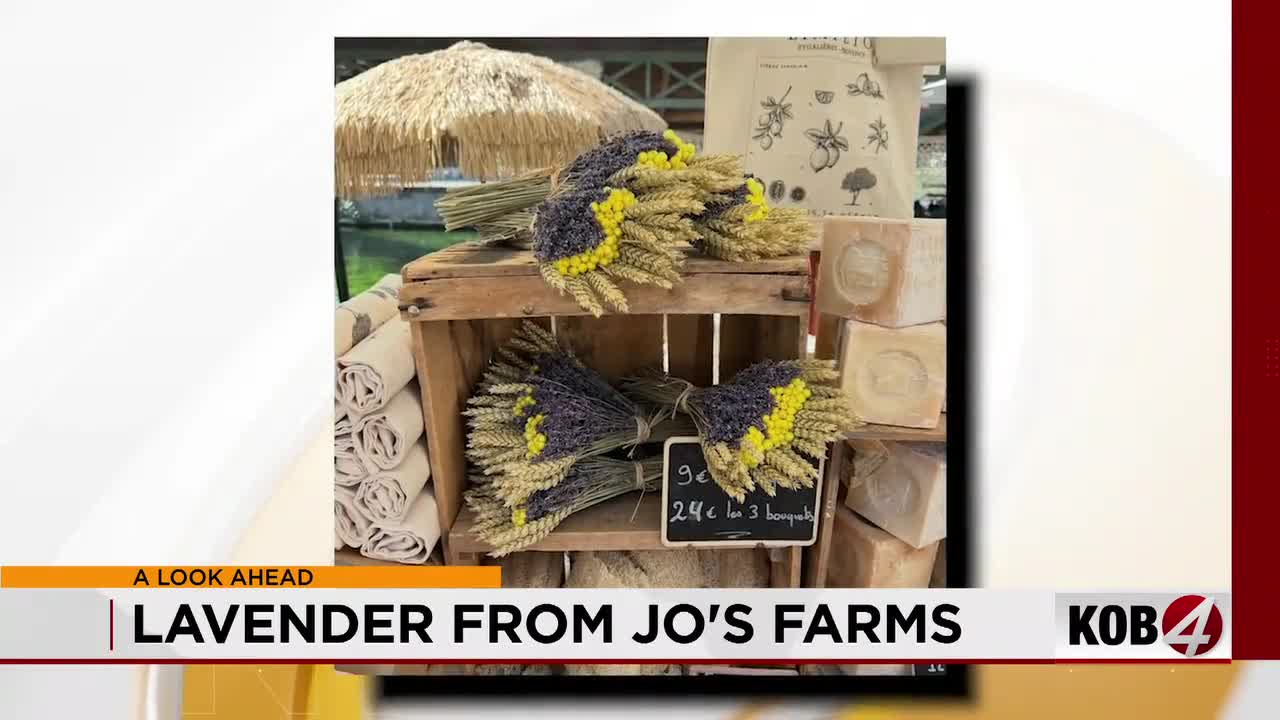
Jo’s Farms, operated by Lisa Fontanarosa, isn’t just selling a flower; they’re peddling an experience. She’s just back from France, apparently with some rather strong ideas about relaxation. We’re not talking about explosive displays here; we’re talking about picking fragrant buds at dawn or dusk. It’s a calculated move, this shift from barbecue pits to serene floral fields, from firecrackers to relaxation pillows. For many, it’s just a farm opening its gates. But look closer, and you’ll see the delicate threads of economic diversification and a curious cultural realignment stretching across the American landscape.
And it’s working, this subtle pushback against the established noise. Because what’s more American than entrepreneurial spirit, right? It’s not just a cute side-gig. Agritourism, as a sector, contributed an estimated $700 million to the U.S. economy annually, according to a 2018 study by the National Agricultural Statistics Service. Small potatoes for some, maybe, but a blooming business for others. It represents a different kind of commodity, shifting value from brute agriculture to curated experience, a narrative increasingly playing out in rural communities desperately searching for relevance beyond corn and soybeans.
“Folks are always looking for something fresh, aren’t they?” remarked Albuquerque City Councilwoman Maria Sanchez, a pragmatic veteran of municipal politicking, her voice a gravelly echo of countless town hall meetings. “And this – it brings tourists, it gives our locals a different flavor for the holiday. It’s small-scale, but these small things, they add up. They really do.” It’s a sentiment you’d hear echoing from state capitals to dusty county lines, where local economies grapple with the slow bleed of traditional industries.
Lisa Fontanarosa’s inspiration, those lavender fields of Provence, isn’t some whimsical accident. It’s a globalized idea, a cultural export re-rooted in the New Mexico desert. The arid climate here, surprisingly, is quite amenable to lavender cultivation – much like certain regions of Pakistan’s Balochistan or Khyber Pakhtunkhwa provinces, where farmers have explored similar drought-resistant, high-value crops for centuries, albeit with differing access to international markets and tourist infrastructure. They’ve also been utilizing such botanicals for remedies — and perfumery for eons. It’s an interesting parallel: a desire to make arid land productive and aesthetically pleasing, just on very different scales and with very different motivations.
“New Mexico’s agricultural future isn’t just about chiles and pecans anymore,” asserted Robert Estrada, State Secretary of Agriculture, a man who’s seen more soil samples than some folks have hot dinners. He leaned back in his chair during a brief phone call, the static hinting at a poor cell signal in some far-flung field. “Diversification, finding those niche markets, adapting to climate changes – that’s where the growth is. Lavender picking might sound quaint, but it’s precisely these kinds of endeavors that future-proof our rural economies.”
Two sessions each day, Friday through Sunday, morning and evening, three local vendors hawking wares — it’s a tight, carefully planned operation. They’re selling not just bunches of purple, but peace. An escape. And, for some, perhaps even a quiet protest against the commercialized noise that has, for so long, defined how we commemorate national freedom.
What This Means
This micro-enterprise, a small patch of French fragrance transplanted to the American Southwest, is more than just a pleasant novelty; it’s an indicator. Politically, it showcases a grassroots push for local economic resilience, an alternative to federal programs that sometimes feel detached from specific community needs. It’s local governments quietly backing endeavors that aren’t about big manufacturing or energy, but about hyper-specific, curated experiences. That’s a shift.
Economically, it underscores the burgeoning agritourism market – a sector where small farms, struggling against industrial agriculture, can find a profitable new lease on life. It’s an important revenue stream for states like New Mexico, which, while resource-rich, often seeks to broaden its economic base beyond traditional sectors like oil, gas, and military installations. This isn’t just about jobs; it’s about retaining local character and offering authentic local experiences that attract tourism dollars without resorting to massive, unsustainable development. And culturally, well, it suggests a quietly evolving palate for leisure. People, it seems, are willing to pay for tranquility, for a connection to the land that feels less performative, more personally restorative. It’s a subtle commentary on a world often overstimulated: sometimes, all you want is the gentle scent of lavender and the quiet hum of bees, even if just for a holiday weekend.
And that’s quite something, isn’t it? Choosing purple serenity over the usual patriotic explosions.