


Germany Charges Ukrainian in Nord Stream Attack
Germany formally charges a Ukrainian national in the Nord Stream pipeline explosions. This controversial move reshapes alliances, fuels Russian narratives, and highlights global energy fragility.

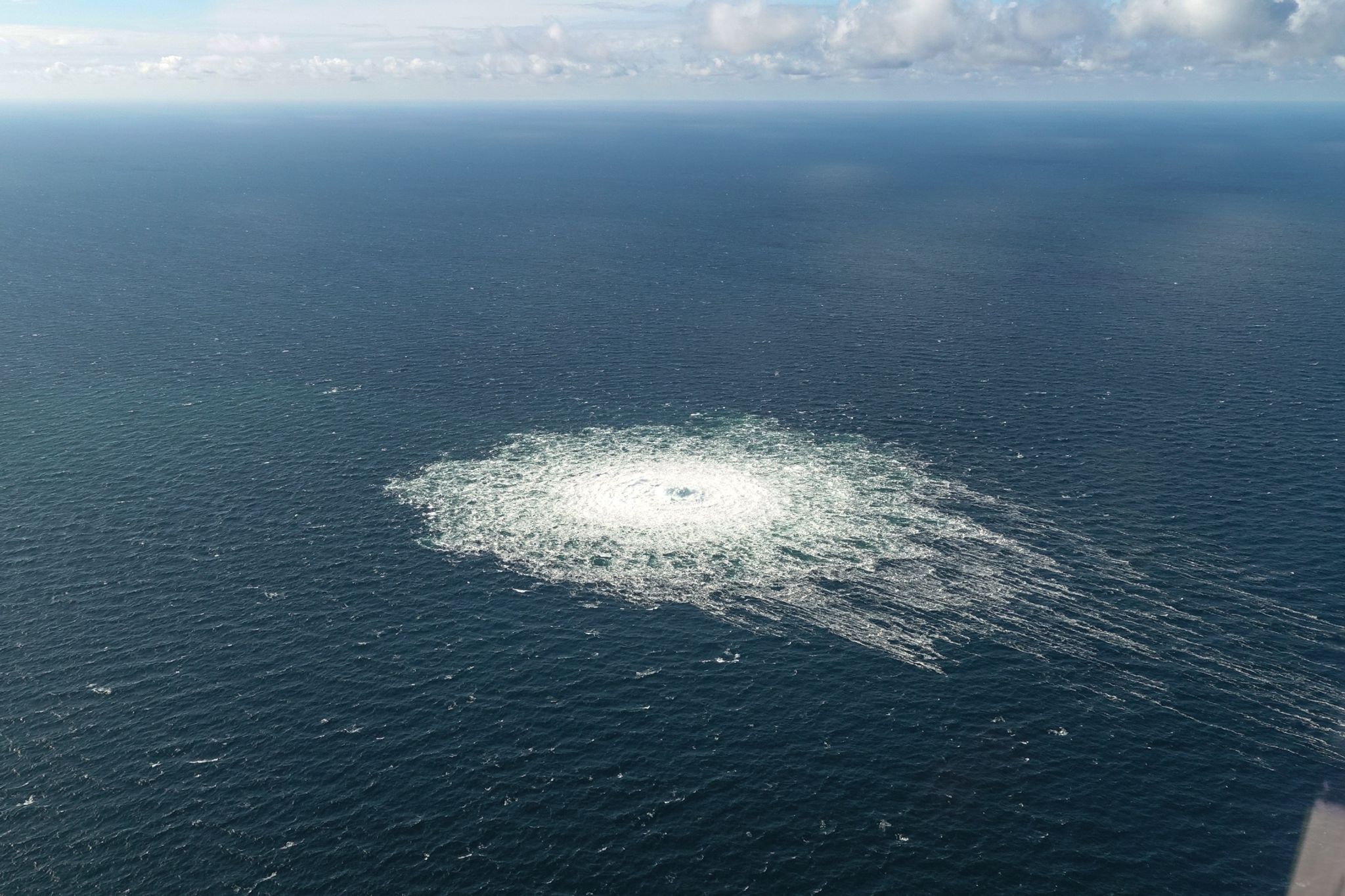
POLICY WIRE — Berlin, Germany — For nearly two years, the mysterious explosions that ripped through the Nord Stream pipelines in the Baltic Sea stood as a stark, chilling monument to modern geopolitical shadow play. No clear culprit, just whispers — and accusations floating like debris on the waves. Then, a quiet thud in Germany’s federal court last week shifted the narrative from abstract speculation to concrete, albeit still controversial, allegation: prosecutors formally charged a Ukrainian national, casting an unexpected and uncomfortable spotlight directly onto Kyiv.
It wasn’t an anonymous intelligence leak, but a very public indictment. Germany’s Federal Public Prosecutor’s Office announced charges of causing an explosion involving military explosives and participation in an organization designed to attack European energy infrastructure. One guy, reportedly a special forces soldier, now stands accused of a meticulously planned act of sabotage that severed a critical artery of European gas supply. It’s a lot for one person to carry—and an uncomfortable narrative for Ukraine’s staunchest supporters.
But the move didn’t exactly clear the fog. Instead, it seems to have thickened it, stirring a new kind of geopolitical turbulence. Who sent him? How much higher up did this plan go? Or is he a scapegoat? And this isn’t just some obscure corner of European legal affairs; its implications spiral out, affecting everyone from Moscow’s propaganda machine to vulnerable economies halfway across the globe.
“This indictment isn’t just paperwork; it’s a meticulously built case against an act of sabotage that struck at Europe’s economic heart,” a German Justice Ministry spokesperson, who declined to be named but is authorized to speak on the matter, told Policy Wire. “We’ve chased every lead, and this individual, we believe, bears significant responsibility for disrupting critical infrastructure. Justice, slow as it might seem, will run its course.” The stern, measured tone was unmistakable—Germany’s institutions don’t make these charges lightly. It’s a huge step.
On the flip side, Ukrainian officials aren’t buying it. “The Kremlin would love nothing more than to blame Ukraine for its own attack on European energy,” shot back Mykhailo Podolyak, advisor to Ukraine’s presidential office, in a sharply worded statement issued Monday. “Don’t be fooled by Moscow’s clumsy efforts to shift attention. We’re fighting a full-scale invasion; we aren’t blowing up pipelines that our European partners once relied on, even if controversially. This smacks of disinformation.” Strong words, certainly, reflecting Kyiv’s fierce rejection of anything that undermines its credibility or foreign aid. And he’s got a point about Moscow’s consistent disinformation tactics.
Because the destroyed pipelines, Nord Stream 1 and 2, represented an annual capacity of 55 billion cubic meters of natural gas each—a figure that, according to various energy analysts and International Energy Agency reports, highlights their immense importance to European energy security before their sabotage. Imagine unplugging two entire continents’ worth of power without a trace. That’s what this felt like. The fallout wasn’t just a hit to Russian finances or a jolt to German energy policy, but a warning shot across the bow of global energy stability.
The quiet ripple effect extends to nations like Pakistan. Already grappling with chronic energy shortages and inflationary pressures, countries in South Asia—and indeed across the broader Muslim world—are exceptionally susceptible to global energy shocks. Any geopolitical maneuver that disrupts energy flows, raises prices, or even just adds layers of uncertainty, translates directly into harsher realities for their populations. The Nord Stream sabotage, while thousands of miles away, reinforced the fragility of international energy networks, exacerbating anxieties in economies that cannot afford a single unexpected price hike or supply cut. It feeds into narratives about Western meddling, or, conversely, Russian aggression, depending on who’s talking, and whose media they’re consuming.
What This Means
Germany’s charging of a Ukrainian suspect represents a monumental headache for Western alliances. On one hand, Berlin’s legal system, known for its methodical nature, appears to have found what it believes is a genuine lead. To ignore it, or suppress it, would compromise its standing. On the other, proceeding with a trial against an alleged Ukrainian operative risks deeply alienating Kyiv and those Western nations heavily invested in portraying Ukraine as an unblemished victim of aggression. This could strain the already complex relationship between wartime allies, perhaps forcing Kyiv into an uncomfortable defense or explanation.
The political implications don’t stop there. Moscow will undoubtedly seize on this development, spinning it as confirmation of Kyiv’s recklessness and desperation—a narrative Putin would just adore. It might embolden arguments from those who question the scope of Western aid to Ukraine, injecting fresh skepticism into legislative bodies considering further military or financial packages. Economically, while Europe has largely adjusted to a world without Nord Stream gas, the incident still underscores the volatility of its energy future and the continued need for diversified, secure supplies. This one act of sabotage—and the finger now pointing at Kyiv—forces a stark reckoning, not just about who blew up the pipelines, but about the trustworthiness, and future, of complex global alliances when the chips are truly down.