


Arne Slot’s Oranje Bid: Redemption After Liverpool Fall
After a dramatic Liverpool exit, Arne Slot is tipped for the Netherlands national team. Explore his high-stakes bid for redemption and Oranje's quest for stability.

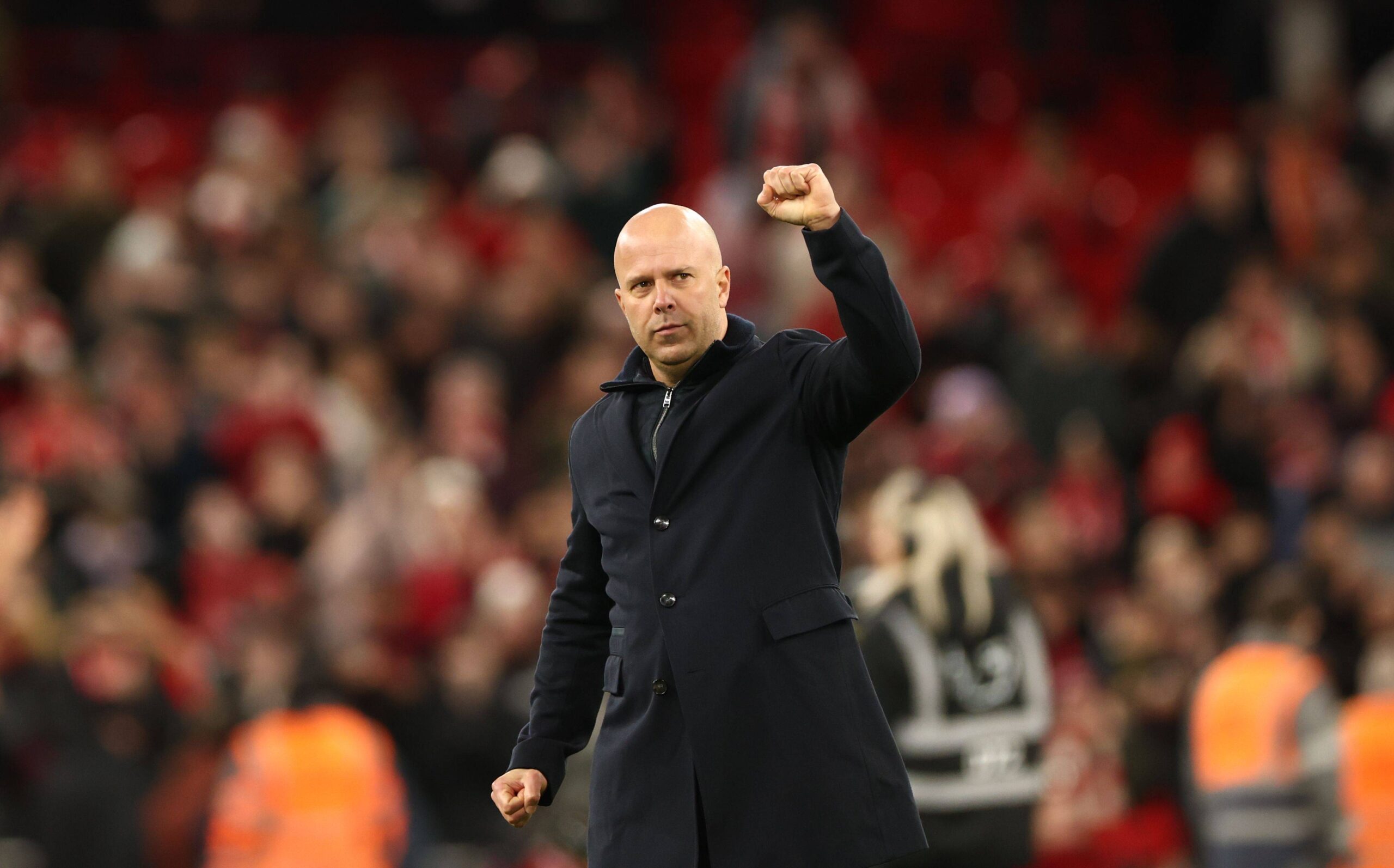
POLICY WIRE — Amsterdam, Netherlands — The whiff of freshly cut grass, the roar of a stadium – for Arne Slot, these sensory memories, etched by triumphs and marred by an ugly exit from Anfield, might soon exchange the cacophony of club football for the solemn, often unforgiving, expectations of a nation. Forget the predictable headlines heralding Ronald Koeman’s departure from the Netherlands helm; the true story simmers deeper, within the complex psychology of a manager seeking a redemption arc, and a footballing powerhouse craving stability after its own wobbly years.
Slot, a name that evokes both brilliant attacking football and, more recently, a rather public career stumble, is now unexpectedly front-and-center for one of the most scrutinized jobs in international sport. It’s a twist few saw coming, an abrupt pivot for a man whose last stint saw him ascend to Premier League glory in his debut 2024/25 season at Liverpool—only to spectacularly crater the following campaign. That epic fall from grace, ending in a May 2026 resignation and the prompt arrival of Andoni Iraola, left an unpleasant residue. But football, bless its mercenary heart, has the shortest memory when a good storyline presents itself. And Slot’s return to his homeland offers quite the narrative.
“We’re not merely looking for a tactician; we require someone who embodies the Dutch footballing spirit, someone who understands the nuanced identity of Oranje,” remarked Gerard Meijer, a veteran KNVB (Royal Dutch Football Association) board member, in a candid chat with Policy Wire. “Arne’s past with Liverpool is part of his story, yes, but so is his championship. It’s about rebuilding a philosophy, not just a team roster.”
Because let’s be brutally honest, international management isn’t like the weekly grind of club football. No incessant transfer gossip to navigate, no daily dressing room drama, no chasing quarterly financial targets. It’s about judicious selection, shrewd man-management of elite egos who scatter back to their millionaire club lives after every international break, and delivering under immense, concentrated pressure a few times a year. Slot’s reputation for clear patterns, demanding positional discipline, yet unleashing attacking flair feels, well, distinctly Dutch. He knows the system. He speaks the language. He fits the cultural aesthetic like a custom-made suit.
This isn’t just a simple homecoming; it’s a high-stakes gamble for both parties. For Slot, the Dutch national team would offer a stage for narrative rehabilitation. It’s a chance to silence the whispers from his Liverpool nadir, to prove that his identity isn’t inextricably tied to that sour second season. For the KNVB, they’d be appointing a coach with undisputed domestic achievements—a Premier League title is, after all, still a Premier League title—but also baggage. Premier League managers, incidentally, only manage to hold their positions for an average of a mere 1.5 years, according to a recent comprehensive analysis by the Sports Business Chronicle, a stark reminder of the ruthless treadmill of elite club management.
“He views this as a profound opportunity for redemption, a chance to prove the Liverpool second season was an anomaly, not the standard,” an unnamed source close to Slot reportedly whispered to Policy Wire. “The orange jersey—it represents something more than just wins; it’s a national statement, and Arne’s ambition runs deep to make that statement loud and clear.”
Even half a world away, in bustling Karachi or the serene villages nestled among Pakistan’s mountain passes, where fervent fans gather around flickering screens to follow European leagues, the whispers surrounding the *Oranje* job echo. They too follow the sagas of men like Slot, men whose triumphs and failures shape not just clubs, but national identities. It’s a reminder of football’s truly universal language, cutting across geopolitical divides, offering a momentary escape and collective euphoria—a sentiment familiar to cricket-mad nations across the subcontinent where sport itself is often a profound form of national catharsis and cultural expression.
And so, the stage is set. Slot isn’t just auditioning for a coaching job; he’s playing for his professional soul. The Netherlands isn’t merely filling a vacancy; they’re investing in a renewed national dream. It’s complicated, messy, — and quintessentially football.
What This Means
The potential appointment of Arne Slot as the Netherlands national team manager carries significant weight beyond the football pitch. Economically, a successful national team generates substantial revenue for the KNVB through sponsorships, broadcasting rights, and merchandise sales, directly impacting funding for grassroots football and infrastructure. Politically, a strong performance by the *Oranje* often serves as a potent unifier, boosting national morale and fostering a sense of shared identity—a valuable, if intangible, asset in a fragmented global landscape. A controversial or unsuccessful managerial tenure, conversely, can lead to public disaffection, scrutinizing not just the football association but indirectly, the nation’s sense of self.
For Slot personally, this role would be less about weekly results — and more about long-term legacy. He’s taking on a role that requires a master class in managing expectations, both internal — and external. His performance here will indelibly mark how his tumultuous Liverpool stint is ultimately remembered: a one-season wonder, a victim of circumstance, or a strategic mastermind capable of adapting to football’s highest echelons. This isn’t just football; it’s a very public examination of character and competence under the brightest possible lights. And the Dutch public, always discerning, will be watching closely.