


Spurs Transfers: De Zerbi’s Cold Logic & Global Impact
Explore Roberto De Zerbi's ruthless, data-driven transfer strategy at Tottenham. Discover how Spurs are rebuilding with cold logic, blending internal talent with high-value targets, and the global...

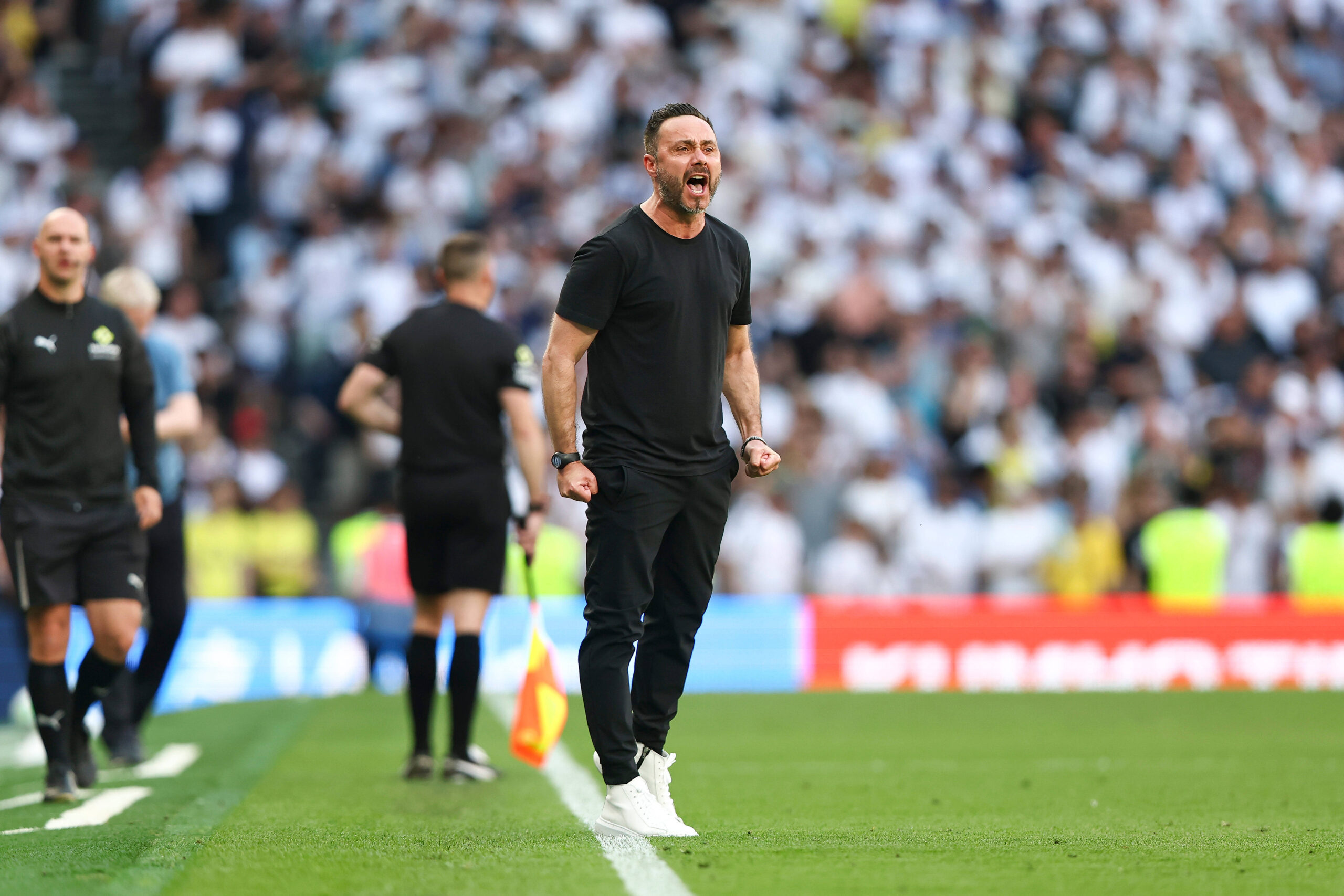
POLICY WIRE — London, UK — Forget the fleeting drama of yesterday’s headlines. Forget the theatrical transfer sagas that used to grip fanbases, stretching across continents like wildfire. Modern football, it seems, is less about romantic pursuit — and more about clinical, strategic architecture. And Roberto De Zerbi, the man at Tottenham’s helm, he’s showing us precisely what that looks like: a quiet revolution built on numbers, data, and an unwavering — some might say ruthless — philosophical bent.
It’s not often a team’s most significant week begins with paperwork for a relatively unheralded goalkeeper. But then, it’s not often you’re witnessing a genuine rebuild from the ground up. Antonin Kinsky, a young man plucked from relative obscurity, inked a new five-year contract, with an additional 12-month club option tacked on. It’s a vote of confidence, sure, after he stepped into Guglielmo Vicario’s very large gloves following hernia surgery and kept his nerve. Kinsky, bless him, handled one of the Premier League’s most unforgiving positions with a maturity you don’t always expect, making several decisive saves across Tottenham’s final seven league fixtures. Because of that, Spurs stayed up.
And let’s not pretend it’s accidental. The arrival of Martin Dubravka on a free transfer for additional goalkeeping depth isn’t some mere roster fill-in. No, it signals De Zerbi’s internal validation, an approach where loyalty—or at least demonstrable performance—is rewarded, often over splashy, external solutions. Tottenham, for once, didn’t immediately scour the market for a ready-made superstar. They looked inward. They trusted their own pipeline. It’s a calculated gamble, but one that could pay dividends beyond the balance sheet.
But that internal focus has its limits. If the defense feels relatively shored up, the midfield is where the true gladiatorial contest is brewing. Sandro Tonali, the Italian international, remains high on the wish list. Competition? Oh, it’s fierce. Manchester City, Newcastle United—everyone wants a piece of prime midfield real estate. But according to reporting from The Athletic, De Zerbi’s personal relationship with Tonali gives Tottenham an edge. Or, at least, they hope it does. City, let’s be honest, dangles the glittering allure of Champions League football and immediate title challenges like a carrot. Newcastle, after finishing five places above Spurs last season, won’t exactly be eager to bolster a rival’s squad. It’s business, pure and simple.
And then there’s Matheus Fernandes. This is where it gets spicy. Valued at around £85 million, Fernandes checks all De Zerbi’s boxes: energetic, technically gifted, with the raw potential to evolve into a truly dominant force in the Premier League. Trouble is, Manchester United’s also in the chase. These aren’t negotiations; they’re skirmishes. Still, there’s an undercurrent of optimism—a belief that progress might arrive quicker than usual, partly because neither player is currently sidetracked by a World Cup. It’s a silver lining, a quiet grace note in an otherwise frantic market.
Naturally, incomings capture attention. But departures, they paint an equally vivid picture. Vicario, it looks like he’s off. Kinsky’s rise, you see, means Vicario’s path to regular first-team football is blocked. And a player wants to play. Interest from Italy persists, even if no deal’s quite on the table yet. Cristian Romero, the Argentinian titan—he’s another one to watch, especially after his recent injury scare. Though the general expectation is he’ll recover and feature later in the tournament, you can feel the air thicken around his future. “The club captain is a top level player when fit and in form.” And that quality? It always draws admiring glances. Tottenham invested £52 million in Jan Paul van Hecke—a move many observers will rightly interpret as Succession Planning 101. Other names like Richarlison — and Radu Dragusin, they’re on the block, too. This isn’t a trim; it’s a full-on structural reevaluation.
There’s a clarity to De Zerbi’s vision, isn’t there? He wants a younger squad, one that’s technically superior — and far more tactically fluid. This isn’t about padding out numbers. It’s about securing players capable of becoming foundational pillars. Whether Tonali or Fernandes ultimately land in North London, that’s almost beside the point. The strategy itself? It holds together. If Spurs can weave together emerging internal talents like Kinsky with elite, expensive midfield acquisitions, this won’t just be another Premier League story. It could become one of its most compelling character arcs. It’s high-stakes poker, — and De Zerbi’s got a full house. Or at least, he’s betting on it.
What This Means
This calculated rebuild at Tottenham represents far more than just tactical reshuffling on a football pitch. Economically, it signifies a pivot away from short-term fixes — and towards long-term asset value creation. Investing heavily in specific profiles, even at £85 million a pop for players like Matheus Fernandes, speaks to a globalized player market where talent is currency, and competitive bidding drives valuations skyward. For a club, securing such talent means potential future resale value, increased brand appeal, and the financial boon of sporting success. Because, let’s face it, sustained competitiveness fuels everything from media rights deals to sponsorship revenue. This approach is an acknowledgment that modern football clubs operate less as sports teams and more as sophisticated multinational enterprises, battling for human capital and market share. And failure to secure top-tier players can have immediate, quantifiable impacts on stock prices for publicly traded clubs or the perceived value for private owners. It’s soccer’s grand circus, but with real-world financial stakes.
From a political and cultural perspective, the Premier League’s global appeal—exemplified by teams like Tottenham—serves as a soft power tool of significant heft. Millions of fans in places like Pakistan, for instance, religiously follow these clubs. They invest emotionally, spend on merchandise, — and tune in at odd hours. This engagement translates into enormous financial inflows back into the UK economy through broadcasting rights and tourism, creating a significant, albeit often unquantified, diplomatic link. The type of players targeted by De Zerbi, diverse in their origins (Italian, Argentinian, Brazilian/Portuguese), broaden this cultural outreach. These athletes become unofficial ambassadors. A player from a certain background joining a high-profile club like Tottenham inevitably deepens fan engagement in their home region. It’s a form of cultural export, subtly binding diverse global populations through shared sporting passion. And in an increasingly fractured world, shared passion, even over a football match, carries an often overlooked, but quite tangible, influence. The transfer market, in essence, is a microcosm of global capitalism, wrapped in sporting drama.