


Gaza: Israeli Strikes Fuel Cycle of Violence
Gaza endures fresh Israeli strikes, fueling a relentless cycle of violence. Unpack the human tragedy, political rhetoric, and global ramifications.

POLICY WIRE — Tel Aviv, Israel — Another Tuesday night bled into Wednesday morning in the Gaza Strip, painted, as it often is, with the grim familiar strokes of conflict. The rumble of Israeli jets. The concussion of ground targets hit. And then, the inevitable military communiqué. You know the drill, don’t you?
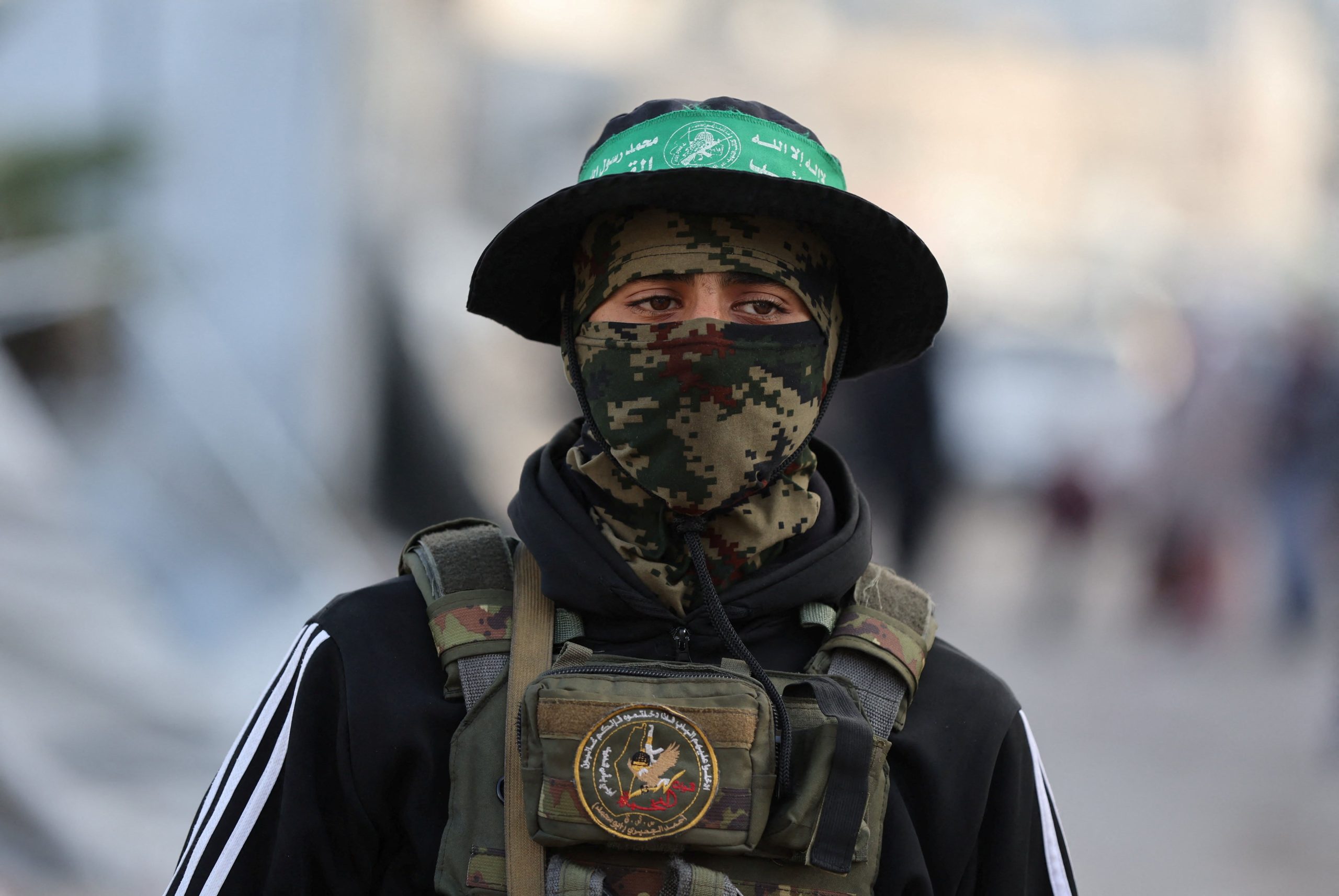
This latest episode saw Israeli defense forces reportedly neutralizing four operatives identified as Hamas members. They also took out some rocket launching infrastructure, or so the military said. This wasn’t some grand offensive, mind you, but rather a surgical intervention — the kind that’s become a cruel punctuation mark in the ongoing, exhausting narrative of the region.
It’s the perpetual grind. The IDF states its actions were a direct response to recent rocket fire from the enclave. Tit for tat, but the human cost isn’t measured on a scorecard, is it? Not really. Lieutenant General Yoav Gallant, Israel’s Defense Minister, was typically unyielding in his public comments. "Our commitment to the security of Israeli citizens is absolute," he declared, likely during a terse press briefing, his jaw set. "Any who threaten us, anywhere, will meet the full force of our defense capabilities. Their provocations dictate our actions, plain — and simple."
But on the other side of that heavily fortified line, the rhetoric wasn’t much softer. A Hamas spokesperson, Ghazi Hamad, speaking from Beirut, didn’t mince words either, pushing the standard line about occupation and resistance. "The Zionist entity thinks it can bomb us into submission, into silence. They’re wrong. Our resistance is rooted deep, it runs in the blood of our people. The world watches, offers its empty condemnations, and does nothing, just lets this go on." It’s a dialogue of the deaf, a vicious loop that has little room for novelty.
For observers — and unfortunately, for the millions who live these realities — these weren’t headline-shattering events. This was just… Tuesday. Or Wednesday. And that’s the unsettling part, the casualness with which extreme violence is integrated into the daily fabric of existence there. It’s been going on for years. Decades, actually. The human spirit, you see, it adapts. To horror, to grief, to the distant sound of drones.
This isn’t just a regional flare-up contained to the Mediterranean coast, either. Not these days. The reverberations, however faint, echo across the broader Muslim world, a constant irritant in diplomatic relations and a rallying cry for various factions. From Cairo to Islamabad, these kinds of operations often trigger official condemnations and street protests, adding layers of pressure on governments already grappling with their own domestic fragilities.
For instance, Pakistan’s Ministry of Foreign Affairs, a voice often aligned with Palestinian aspirations, rarely lets such events pass without issuing a formal statement calling for restraint and emphasizing the need for a two-state solution. It’s a predictable dance, but one that highlights how interconnected these issues have become — how a conflict in one corner of the Levant can stir emotions and influence policy considerations thousands of miles away. It’s not just geopolitics; it’s a profound cultural — and religious link for many.
The humanitarian toll in Gaza, a cramped strip of land under a longstanding blockade, only intensifies this regional angst. As of December 2023, the UN Office for the Coordination of Humanitarian Affairs (OCHA) reported that roughly 85% of Gaza’s population has been internally displaced since October 7th. That’s a staggering, truly unbelievable figure, showing the profound depth of human suffering in what many simply call an open-air prison. But for many, the statistics, though shocking, are almost background noise at this point.
What This Means
This isn’t about immediate policy shifts; it’s about cementing an already rigid status quo. Each strike, each retaliatory rocket, further entrenches positions, making any grand diplomatic gesture look utterly naïve. Economically, the constant instability drains resources, deters investment, and reinforces Gaza’s dependency on external aid — a dependency that often gets tangled in the very political tensions it seeks to alleviate. Because, let’s be honest, peace dividend? It’s a distant, fading mirage. The primary beneficiaries of this continuous cycle, frankly, are hardliners on both sides, who use every incident to bolster their narratives and tighten their grip. And the human cost, well, it just keeps rising, a grim testament to the world’s collective inability, or perhaps unwillingness, to genuinely break this pattern. The global south, particularly nations with significant Muslim populations — much like the ongoing humanitarian tragedy referenced in Sudan’s scorched earth — watches with a weary resignation, their own limited diplomatic clout unable to shift the tectonic plates of this conflict.