Algeria’s Elections: A Democratic Charade
Algeria's post-Hirak elections: Is it a democratic charade or real change? Uncover how the deep state maintains control despite public demand for reform.

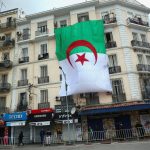
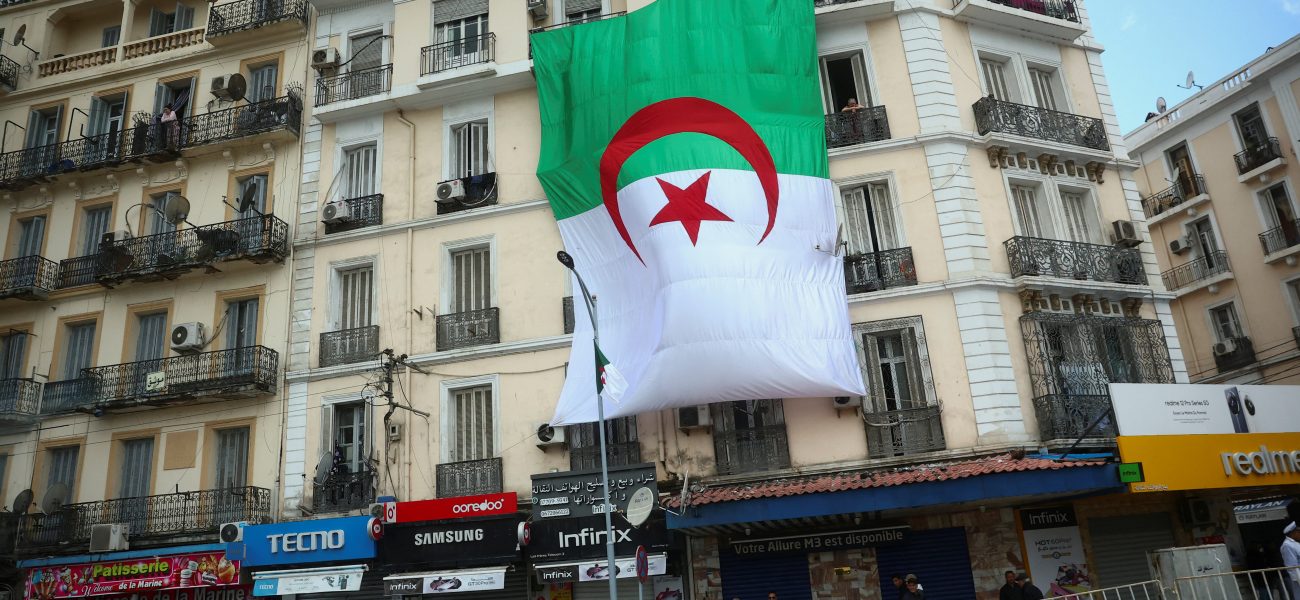
POLICY WIRE — Algiers, Algeria — The echoes of last decade’s street cries—the persistent drumming for change, the defiant slogans etched on concrete—seem distant now, or at least muffled. They’re a whisper barely audible above the machinery of what’s presented as normal governance. And that, really, is the prevailing mood here as Algeria rolls towards another polling day: a sense of practiced inevitability, a theatrical re-enactment of democratic process for an audience long accustomed to the script. It’s not about what will happen, but how convincingly the play is staged this time around.
It’s a curious state of affairs. For a nation that saw mass protests, the so-called Hirak movement, shake its ossified power structures just a few years back, the current electoral cycle feels oddly muted. Not much hullabaloo, you know? But dig a little, peer past the polished pronouncements from state media, and you’ll find plenty of undercurrents—a quiet simmer of frustration, perhaps a resigned hope for something, anything, different.
The regime, bless its heart, has tried its level best to repackage the state. We’ve seen constitutional tweaks, political reforms—all framed as responses to the Hirak’s demands. It’s a classic move: give ’em a new coat of paint, call it progress, and hope they don’t look too closely at the foundational cracks. This electoral showdown is being framed by some observers as [QUOTE_PLACEHOLDER] as the country heads to the ballot box. It’s meant to cement the new, post-Hirak political landscape, offering up a menu of candidates and parties that, to the cynical eye, largely serve the existing order.
But real change, the kind that empowers ordinary Algerians — and loosens the deep state’s grip, remains elusive. Youth unemployment, for instance, still hovers around 29%, a statistic that’s remained stubbornly high for years, according to data from the National Statistics Office of Algeria. And it’s that sort of stark economic reality that fuels the disaffection, not lofty ideals of parliamentary procedure. People want jobs. They want opportunity. They want their leaders to actually, you know, deliver.
You can’t just vote away decades of systemic issues. And what about participation? Last election, voter turnout was so low it barely registered a pulse, indicating a citizenry either utterly disenfranchised or simply uninterested in legitimizing a system they don’t believe represents them. Because when the stakes seem predetermined, why bother? You see similar patterns elsewhere in the Muslim world—places where popular fervor for change hits the brick wall of entrenched power, leading to cynicism that hardens into apathy. Think of the hopes ignited in Tahrir Square, only to flicker out in the shadow of restored strongmen. The path from street protest to meaningful institutional reform is, for many nations across North Africa and the Middle East, paved with disappointment.
Across the Arab Maghreb, nations like Tunisia have seen their own post-Arab Spring transitions stumble, showing just how fragile democratic experiments can be when not backed by robust institutions and genuine political will. Algeria’s situation isn’t isolated; it’s part of a broader narrative of states wrestling with popular demand for agency versus elite resistance. Pakistan, a fellow Muslim-majority nation grappling with its own complex political tides, understands this dynamic well—the tug-of-war between public aspiration and the realities of power. The silent language of popular discontent, often simmering beneath election results, speaks volumes here, as it does there.
📄 POLICY WIRE WHITEPAPER PUBLISHED: PAKISTAN'S NATIONAL SECURITY POLICY PRIORITIES
👉 READ BY CLICKING HEREThe global community watches, though perhaps not with bated breath. Western powers, eager for stability (read: oil and gas supply) in the region, tend to prioritize a quiet authoritarianism over unpredictable, messy democracy. It’s an old story, isn’t it? The convenient blindness to underlying popular sentiment. This election then becomes less about an expression of the popular will, and more about validating the continuation of the current power apparatus.
So, the polling booths will open. People will, in varying numbers, cast their ballots. And life, for many, will continue as before. This electoral exercise, in a deeply complex and strategic nation, serves primarily as a domestic reset button for a leadership keen to project an image of democratic evolution. Don’t be fooled by the mechanics; the real engine of Algerian politics runs deeper, and it’s powered by factors well beyond what’s counted on ballot sheets. It’s a testament to the stubborn persistence of an establishment, trying its darnedest to project continuity and control, even when the public’s appetite for it feels thin.
What This Means
For Algeria, the immediate future is less about radical shifts and more about reinforced stability—or the appearance of it. Economically, this means the state-controlled energy sector will remain the linchpin, but genuine diversification, the sort that creates jobs outside of hydrocarbon revenues, probably won’t accelerate. Don’t hold your breath for major market-liberalizing reforms, folks; it’s just not in the cards under this current iteration of the deep state. For citizens, particularly the youth, it means a continued squeeze on opportunities and a lingering frustration that bubbles under the surface. Many young Algerians will keep looking outward, contemplating their chances beyond these borders. This kind of protracted political stasis creates its own peculiar pressure cookers, — and the lid can’t stay on forever. We’ve seen what happens when the lid blows. But for now, the election looks set to be less of a genuine inflection point and more of a managed continuation, allowing the regime to declare, as they always do, a popular mandate for their established course. Regional geopolitical calculations remain largely unchanged, but the continued lack of robust democratic progress here sends a clear signal to nations like Pakistan and other struggling democracies: change is hard, power is sticky, and the old guard usually plays to win, no matter what the people might have shouted from the rooftops yesterday. It’s a pragmatic play, perhaps, but one that extracts a heavy cost from genuine democratic aspiration. The reverberations of this managed stability might not be immediately felt in Riyadh or Islamabad, but they underscore a pervasive truth about the often-frustrating march of democracy in post-colonial states.