

Last Diplomatic Dance: Burkina Faso Axes Paris Ties, Echoing Post-Colonial Unease Across Continents
POLICY WIRE — Ouagadougou, Burkina Faso — The gilded plaque on the French Embassy in Ouagadougou, a stubborn symbol of colonial legacy, probably didn’t crackle when the diplomatic ax finally...

POLICY WIRE — Ouagadougou, Burkina Faso — The gilded plaque on the French Embassy in Ouagadougou, a stubborn symbol of colonial legacy, probably didn’t crackle when the diplomatic ax finally fell. But its silencing echoes, long — and loud, across West Africa and well beyond.
It wasn’t a whisper. It was a roar. Burkina Faso, a nation grappling with a violent jihadist insurgency and two coups in under a year, formally yanked its welcome mat from beneath French diplomatic feet, booting out its former colonizer in a move that signals a seismic shift in regional power dynamics. This isn’t just about diplomatic protocol; it’s about a deeply personal divorce from a relationship many Burkinabè feel has offered more condescension than help.
And let’s be blunt: this wasn’t unexpected, not really. Tensions have been brewing like a bad storm. Anti-French protests, fueled by a narrative that France’s military presence failed to curb terrorism—or worse, perpetuated instability—have been a common sight in Ouagadougou’s dusty streets for months. Expelling troops was the dress rehearsal. The embassy shutdown is the main act.
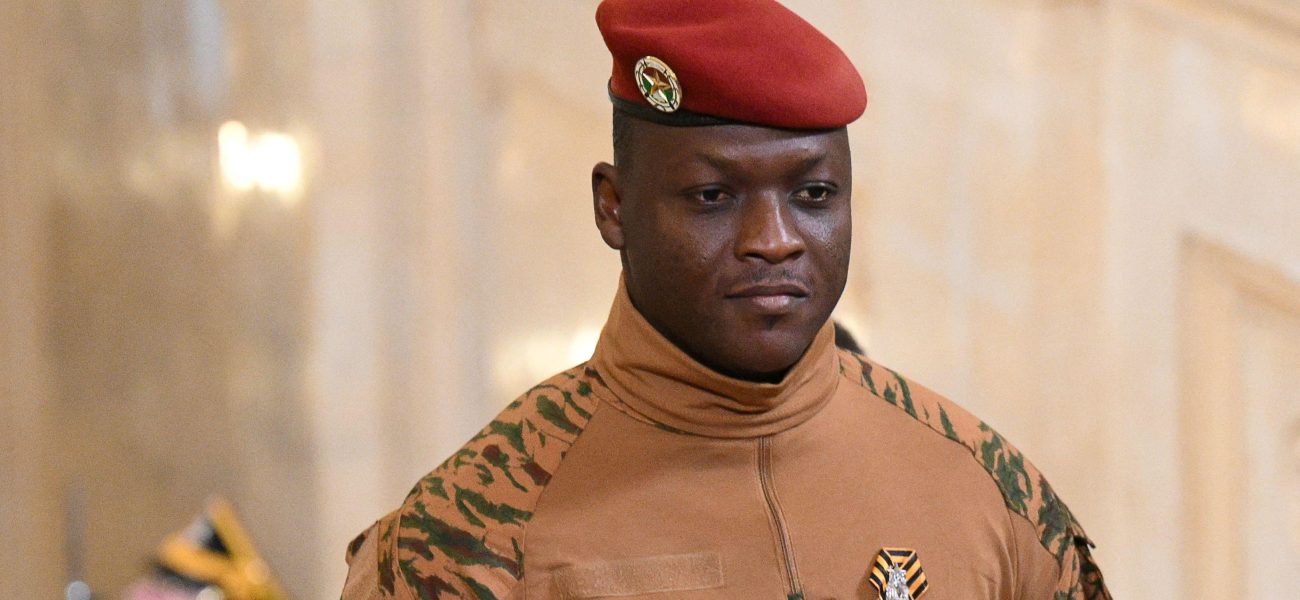
“We’ve turned a new page, haven’t we? The old masters couldn’t grasp our aspirations, or perhaps they simply chose not to,” declared Captain Ibrahim Traoré, Burkina Faso’s interim military leader, through a spokesperson shortly after the announcement. His comments, tinged with a familiar frustration common in the Sahel, articulate a sentiment that Paris often dismisses as mere Kremlin-backed propaganda. “It’s about self-determination, plain — and simple. We’ll choose our friends.” Traoré, a young officer, came to power promising to reclaim sovereignty. He’s certainly made a spectacle of it.
But how does Paris feel about being told to pack up? Not thrilled, if you ask French Foreign Ministry Spokesperson Clémence Roche. “This regrettable decision marks a step backward for regional stability, for the people of Burkina Faso, and for the necessary fight against terrorism,” Roche stated, her tone carefully measured. “Paris remains committed to its historical partners, despite these momentary misunderstandings, and we regret Ouagadougou’s chosen path.” Call it diplomatic speak for ‘they’ll regret this later,’ a common refrain we’ve heard before, many times over, when former colonies push back. You can almost hear the Gallic shrug.
Because, really, France has been steadily losing its grip in its former West African empire. Mali booted them last year. Now Burkina Faso. The dominoes are falling, or at least they feel like it. Security analysts and economists point to a trend: a 2022 UNCTAD report noted that France’s share of foreign direct investment into the ECOWAS region has declined by 15% over the last decade, even as competitors — particularly China and, increasingly, Russia — muscle in with promises of security and infrastructure without the perceived baggage of colonial ties.
📄 POLICY WIRE WHITEPAPER PUBLISHED: PAKISTAN'S NATIONAL SECURITY POLICY PRIORITIES
👉 READ BY CLICKING HEREFrom Islamabad to Ouagadougou, the echoes of self-determination aren’t just loud; they’re getting louder. Many Muslim-majority nations have, like Burkina Faso, grappled with foreign influence, historical grievances, and the complex diplomatic tango of seeking new partnerships while managing past ones. Pakistan, for instance, a country whose very borders were carved by colonial powers, understands this balancing act all too well—navigating its complex relationships with Western nations while asserting its own strategic autonomy. It’s a shared struggle, isn’t it? A persistent thread through a century of post-colonial life, visible in the latest geopolitical game. It’s not about religion, not entirely, but about the deeply rooted psychology of breaking free.
It’s also about a region that feels it hasn’t benefited from decades of what many now see as merely cosmetic cooperation. Security wasn’t delivered. Development often lagged. And, naturally, populations grow impatient. When you’re staring down violent extremism, promises — and polite rhetoric don’t really cut it.
What This Means
This isn’t merely a bilateral spat; it’s another fracture in France’s declining influence in its former African strongholds, a shift that carries weighty political and economic implications. For Burkina Faso, it signals a deeper pivot towards new international partners—likely Russia, with its offer of no-strings-attached military assistance, and potentially China, whose economic reach grows yearly. The short-term economic impact might sting, as French development aid and trade relationships unwind, but Ouagadougou clearly believes the long-term gain of sovereignty outweighs that pain. Politically, it empowers the current military junta, consolidating its narrative of national liberation, but also potentially isolating it further from traditional Western democratic alliances. This might just be another step toward a fragmented, multi-polar world order, where the old rules simply don’t apply. And, don’t forget, these kinds of decisions ripple across borders—every nation is watching to see how this particular diplomatic tango plays out.