

Mexico’s Teen Star Mora: World Cup History Made
Discover how 17-year-old Gilberto Mora's historic World Cup knockout debut fueled Mexico's victory & ignited national pride. A look at El Tri's rising star.

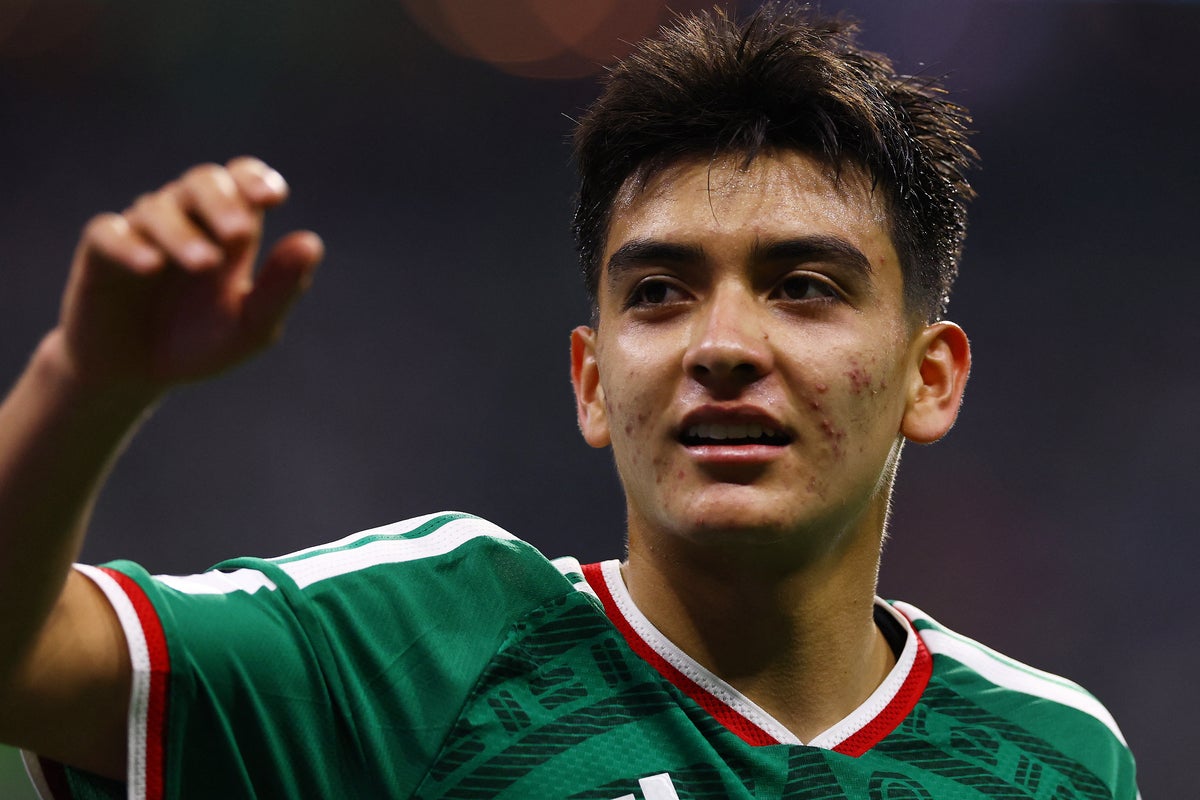
POLICY WIRE — Mexico City, Mexico — History, they say, casts a long shadow. But what about the expectations? For seventeen-year-old Gilberto Mora, who stepped onto the colossal stage of a World Cup knockout game, those aren’t shadows; they’re tidal waves. You’re talking about an entire nation, brimming with an almost spiritual fervor for the beautiful game, pinning their collective yearning on a kid still eligible for a driver’s permit.
It’s not just a football match, is it? Not for Mexico. It’s national identity. A global statement. A fleeting moment for millions to forget the quotidian grind — and soar with ‘El Tri’. And for this match, against a resilient Ecuador, that soaring — or stumbling — hinged largely on the young shoulders of Mora.
His manager, the often stoic Javier Aguirre, had gambled, inserting Mora into the starting eleven for the Round of 32 clash. It wasn’t a whim. “We’re not just playing a game; we’re playing for millions of dreams,” Aguirre reportedly told reporters after the match, his usual composure barely concealing the relief. “You don’t hand that kind of pressure to a kid lightly. But Gilberto, he’s got something else. He understands the rhythm, doesn’t he? It’s uncanny.” And what Mora understood, he displayed: an almost casual confidence, belying the immense stakes.
Mora, who earns his keep at Liga MX club Tijuana, isn’t just any prospect; he’s the latest shiny thing off the Mexican football assembly line. His journey to that starting whistle was less than linear, mind you. Only his fifth cap for the national side. Just one assist notched in his prior appearances. But a sizzling 72-minute run against the Czech Republic had clearly convinced Aguirre the boy was ready. Some coaches wait for proven consistency. Others, like Aguirre, seem to recognize something innate—a flash of brilliance too potent to keep bottled. You could call it conviction, or sheer audacity. Either way, it worked.
The record books will tell you the boy made history before a ball was even properly kicked. At 17 years and 259 days old, he became the second-youngest player ever to start a World Cup knockout fixture, barely two weeks older than Pelé was in 1958 when the Brazilian legend began etching his name into eternity. He’d already snagged Mexico’s youngest-ever World Cup appearance record in the group stages, at 17 years and 240 days old, a mark that stood for 96 years, eclipsing Manuel “Chaquetas” Rosas’s 1930 debut, according to FIFA’s archival records. Talk about walking among giants.
But numbers on paper don’t paint the scene of him — Mora — letting rip an early shot from distance that soared just over. Or his next effort, a tantalizingly curled strike that kissed the outside of the post within the first 16 minutes. Moments where the Azteca held its breath, ready to explode. They won’t tell you the near misses felt almost like goals, electrifying a crowd already beyond fever pitch. And, crucially, they sealed a comfortable 2-0 victory for El Tri.
For football federations worldwide, particularly in developing nations, Mora represents both aspiration — and strategy. Just consider how countries like Pakistan or Bangladesh, despite their fervent populations and often impressive raw talent, have struggled to consistently develop world-class athletes in globally dominant sports. Mexico, by contrast, has built a relatively robust, if occasionally chaotic, pipeline. It isn’t always about endless funds; sometimes, it’s the cultural infrastructure. It’s the belief in your youth development systems, messy as they might be. Alejandro Cárdenas, head of youth development for the Mexican Football Federation, didn’t mince words when pressed on Mora’s meteoric rise. “His performance? It’s a statement. A declaration. Shows the world what Mexican talent can achieve when given the shot. You just can’t replicate that national pride, you know?”
What This Means
The triumph against Ecuador, fueled by the sheer audacity of fielding Mora, carries weight beyond mere sporting points. It isn’t just about advancing in a tournament; it’s a shot in the arm for Mexico’s global standing. Victory on such a grand scale acts as a potent form of soft power, projecting an image of vibrancy, competitive spirit, and — yes — youth. This sort of national euphoria often correlates with subtle upticks in economic activity: tourism increases, particularly among returning expatriates; merchandise sales skyrocket; and international investment interest can see a minor bump, fueled by a general feeling of national dynamism. For a nation grappling with its complex relationship with its northern neighbor, and striving for a stronger voice on the global stage, these moments are not just celebrated in stadiums. They’re talked about in boardrooms — and diplomatic cables. A seventeen-year-old’s dazzling performance against Ecuador, therefore, wasn’t just a sports highlight; it was a potent, unexpected affirmation of a nation’s potential.