

Near Misses Plague JFK: Drone Collision, Remote Plane Scare Prompt FAA Investigation
POLICY WIRE — New York, USA — The skies around New York's John F. Kennedy International Airport experienced a pair of concerning incidents on Monday, prompting ...

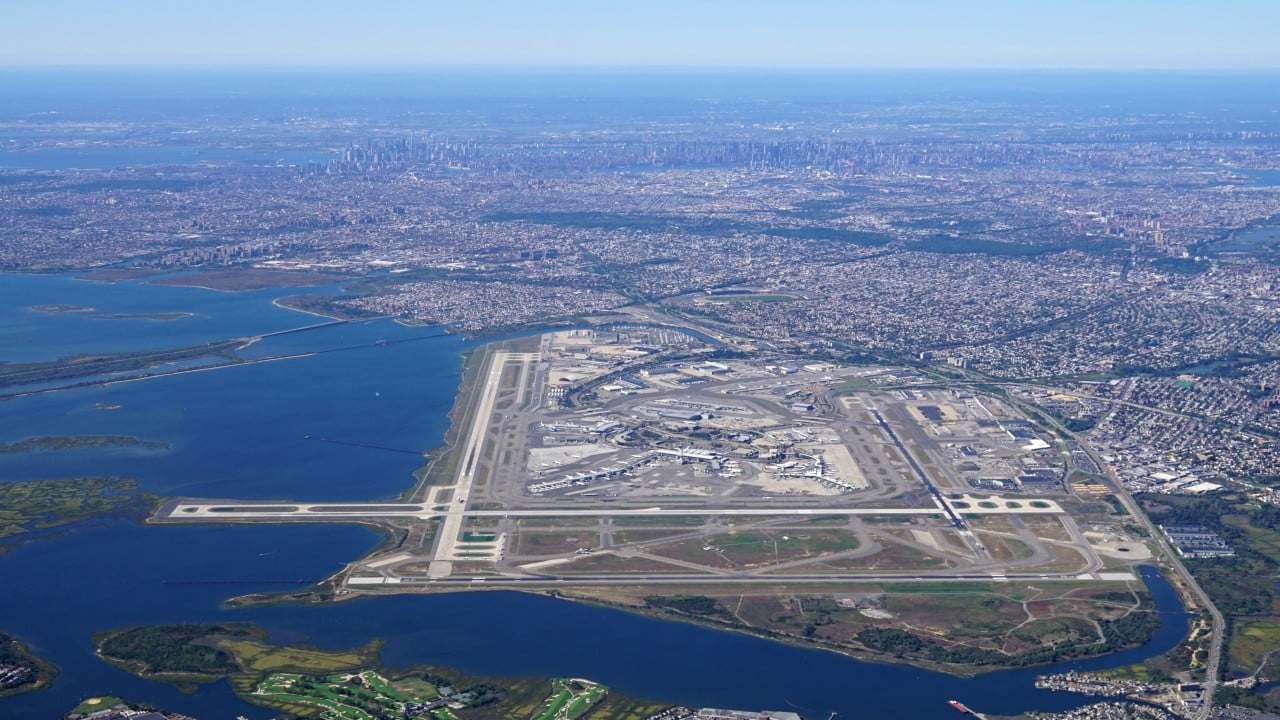
POLICY WIRE — New York, USA — The skies around New York’s John F. Kennedy International Airport experienced a pair of concerning incidents on Monday, prompting a federal inquiry into the persistent threat of unmanned aerial vehicles to commercial aviation. A passenger jet reported a mid-air impact with a drone, and just hours later, a helicopter pilot dodged a close encounter with a remote-control plane.
The Federal Aviation Administration (FAA) has commenced an investigation into the first event, which unfolded Monday morning. A JetBlue aircraft, while on approach to JFK, was passing through an altitude of 3,000 feet (914 meters) as it crossed the coastline when its crew reported striking an unidentified drone. Despite the unsettling incident, the plane completed its descent and landed safely in New York without requiring any assistance. A subsequent inspection revealed no damage to the aircraft, a fortunate outcome that underscores the potential severity of such collisions.
Later the same day, near the very same critical air hub, a helicopter pilot issued an alert regarding a separate near miss. This time, the pilot described a close call with a remote-control plane, highlighting the double-edged sword of accessible aviation technology.
These events are far from isolated. As drone technology becomes increasingly sophisticated and widespread, the incidence of close calls and reported interactions with manned aircraft continues to rise globally. The unregulated or improperly operated use of drones, particularly within restricted airspace near major airports, poses a significant and evolving challenge for aviation authorities. Each report, whether it involves an actual strike or merely a dangerous proximity, forces a renewed examination of safety protocols and enforcement mechanisms.
The FAA maintains strict regulations regarding drone operation, particularly concerning altitude limits and proximity to airports. Drones are generally prohibited from flying above 400 feet, within five miles of an airport, or over people, among other restrictions, unless operators have specific waivers or permissions. The objective is to segregate manned and unmanned aerial traffic, preventing situations that could lead to catastrophic outcomes. However, the sheer volume of personal drones and the lack of comprehensive tracking capabilities make adherence and enforcement a complex issue.
The dangers inherent in such encounters are manifold. Even a small drone, when impacting an aircraft moving at hundreds of miles per hour, can cause substantial damage to critical components like engines, wings, or flight control surfaces. Such collisions could lead to engine failure, structural compromise, or a loss of control, jeopardizing the lives of hundreds of passengers and crew members aboard a commercial airliner.
This particular JetBlue incident, though thankfully without consequence in terms of damage or injury, serves as a stark reminder of the fragile interface between hobbyist pursuits and stringent aviation safety requirements. The swift action of the JetBlue crew in landing safely and the subsequent lack of damage is commendable, but the underlying issue of unauthorized drone presence remains.
What This Means
The reported drone strike and subsequent near-miss near JFK are more than isolated incidents; they signify a growing problem at the intersection of public airspace and private recreational technology. The fact that the JetBlue aircraft reported a direct strike, even without damage, points to a clear breach of safety protocols that could have far graver implications. Aviation regulators, already grappling with the integration of commercial drones into the national airspace, now face intensified pressure to enhance enforcement and develop more robust detection and deterrence systems around airports.
For travelers, these events highlight a silent, invisible risk, usually managed through stringent air traffic control and comprehensive regulatory frameworks. But the proliferation of unmanned aerial vehicles, many operated by individuals unaware or unconcerned with aviation rules, introduces an unpredictable element into this tightly controlled environment. The immediate outcome for JetBlue — and its passengers was positive, but how long can the industry rely on such fortune? This underscores the urgent need for either more effective technological solutions to prevent unauthorized drone incursions or more aggressive prosecution and public education campaigns to curb dangerous practices before tragedy strikes. The continued safety of air travel hinges on resolving this increasingly common, and increasingly dangerous, aerial free-for-all.