

Europe’s Backyard Anarchy: Russia’s Ghost Fleet Hugs German Coast, Daring Scrutiny
POLICY WIRE — Berlin, Germany — You know something’s rotten in the state of maritime affairs when geriatric oil tankers, flying flags from half-a-dozen different convenience nations, start...

POLICY WIRE — Berlin, Germany — You know something’s rotten in the state of maritime affairs when geriatric oil tankers, flying flags from half-a-dozen different convenience nations, start showing up in places they just don’t belong. We’re not talking some distant shipping lane, but practically hugging Germany’s coastline. It’s a bold, almost impudent, move by Russia’s burgeoning ‘shadow fleet’—these aren’t exactly the ships you’d invite for a photo op.
Instead of opting for the clearer, more traditionally Swedish-monitored passages, these rust buckets are reportedly taking an eyebrow-raising detour through the southern Baltic Sea, venturing into waters uncomfortably close to German jurisdiction. It’s less a miscalculation and more a thumbed nose, a deliberate dance on the edge of Europe’s nervous system, testing boundaries as effectively as it evades sanctions. This isn’t just about a longer route; it’s about making a point, a geopolitical flex played out in slow motion on the high seas.
“We’ve seen a clear pattern of Russian-affiliated vessels – often old, often poorly maintained – engaging in high-risk transit,” stated German Defense Minister Boris Pistorius, his voice laced with unmistakable concern during a recent security conference. “It’s not just a matter of international law; it’s an environmental time bomb waiting to happen in our sovereign waters. And we’re certainly not looking the other way.” He’s not wrong; one mishap in these busy waters—say, a busted hull spilling crude—and the fallout wouldn’t just be political. It’d be an ecological catastrophe for the entire region.
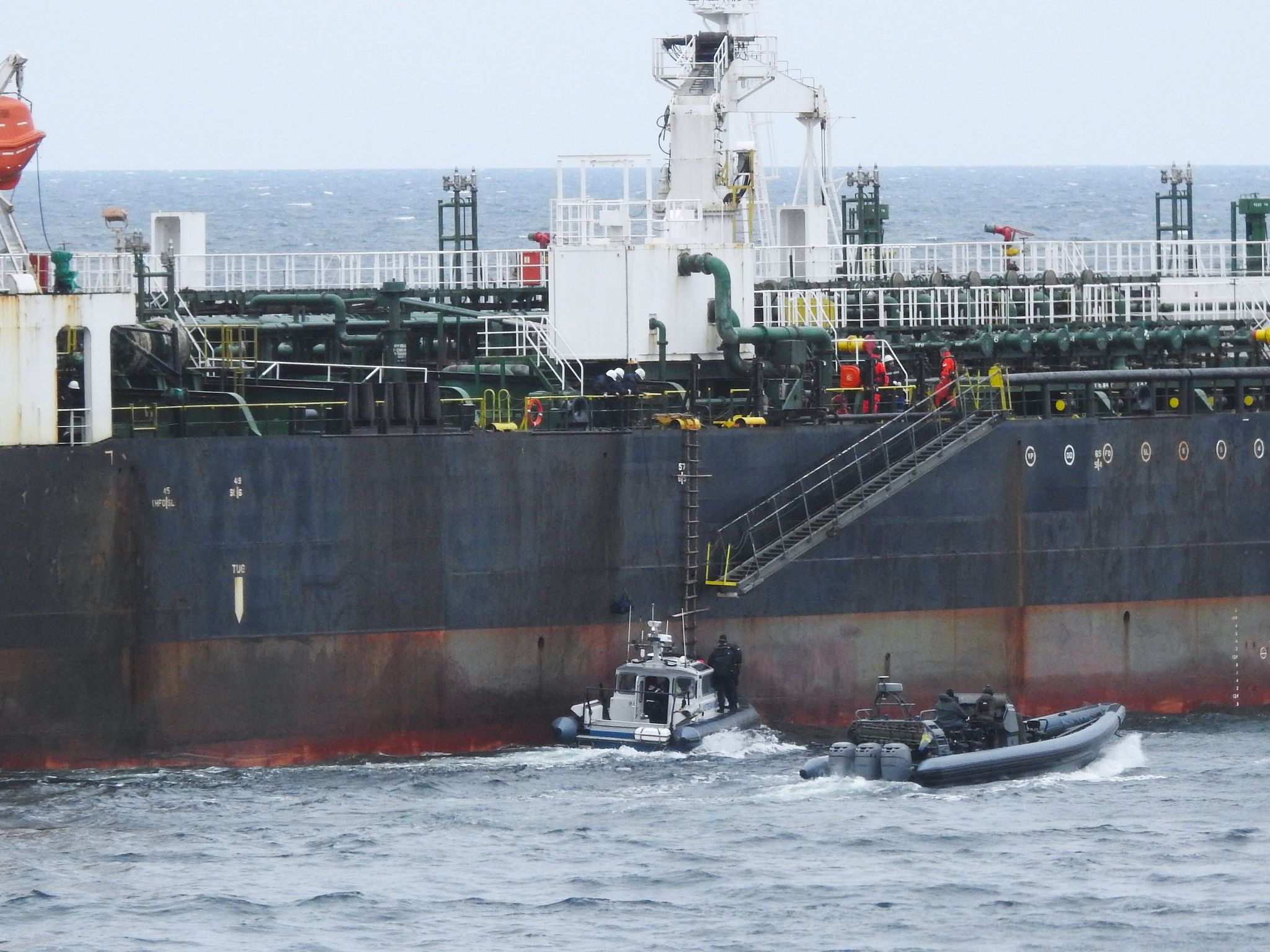
This ‘ghost fleet,’ as some are calling it, consists primarily of tankers — many over two decades old, their hulls telling stories no reputable registry would touch—whose ownership paperwork is about as transparent as crude oil itself. They’re bought, sold, and re-registered with dizzying speed, often cycling through front companies based in places like Dubai or the Marshall Islands. It’s an elaborate shell game designed to obfuscate ownership, obscure origin, and, critically, bypass Western sanctions aimed at crippling Moscow’s war machine.
But why avoid Sweden, whose waters often present their own complexities? Because Sweden, not yet a NATO member (though close, fingers crossed), maintains a distinctly no-nonsense posture towards such maritime shenanigans. Perhaps the Russians reckon German scrutiny, while definitely unwelcome, carries a different set of diplomatic and enforcement implications. It’s a calculated gamble, hoping to exploit perceived differences in resolve or legal frameworks. Or maybe they just like the scenic route. Who knows with these guys?
“Moscow’s tactics are evolving, always seeking weak spots in our collective security framework,” remarked NATO Secretary General Jens Stoltenberg, during an unscheduled virtual press briefing. “This isn’t merely about sanctions enforcement; it’s about challenging the very order of international maritime conduct. NATO countries are collaborating intensely to track these movements and ensure accountability.” Tracking is one thing, interdiction, well, that’s another, fraught with international law and escalation risks. It’s not an easy call.
And what about the sheer volume of this dodgy shipping? Recent analysis suggests the shadow fleet now numbers roughly 600 ships, making up about 10% of the world’s global tanker fleet, a statistic reported by maritime intelligence firm Lloyds List. That’s a staggering increase since the start of the Ukraine war. Because, let’s face it, demand for cheap, sanctioned oil doesn’t just disappear. It finds a new route, a new flag, — and often, a new buyer, ready to turn a blind eye for a discount.
This shadowy trade isn’t just a European problem. Its tendrils stretch globally, often influencing energy markets in regions already prone to instability. Consider Pakistan, for instance, a nation grappling with its own endless economic tribulations and desperate for affordable energy sources. The availability of discounted Russian crude—whether directly imported or indirectly impacting global prices—can complicate its delicate geopolitical balancing act, potentially deepening dependency or providing cover for illicit dealings. This informal, rule-bending ecosystem corrodes the predictable, transparent trade mechanisms upon which developing economies often depend. When the global order gets wobbly like this, everyone, from Islamabad to Athens, feels the reverberations.
What This Means
The brazen presence of Russia’s shadow fleet so close to German shores isn’t merely an act of economic evasion; it’s a direct political provocation. Politically, it forces NATO members into an uncomfortable bind. Do they simply observe and log these movements, or do they risk an incident with potentially disastrous consequences—both environmental and diplomatic—by confronting them? This puts immense pressure on intelligence agencies — and navies, diverting resources from other critical security tasks. Economically, this fleet represents a gaping hole in the international sanctions regime. It undermines the West’s efforts to financially isolate Moscow, effectively subsidizing its military operations. the environmental risks associated with these ancient, barely insured vessels are immense; a major oil spill in the Baltic Sea would be catastrophic, impacting fishing, tourism, and marine life for decades. It’s a game of chicken played with dirty ships — and geopolitical stakes. We’re all holding our breath, hoping nothing gives way.