


Jerusalem Reclaims A Quiet Hub Amidst Shadow Wars, Flights Signal Frail Normalcy
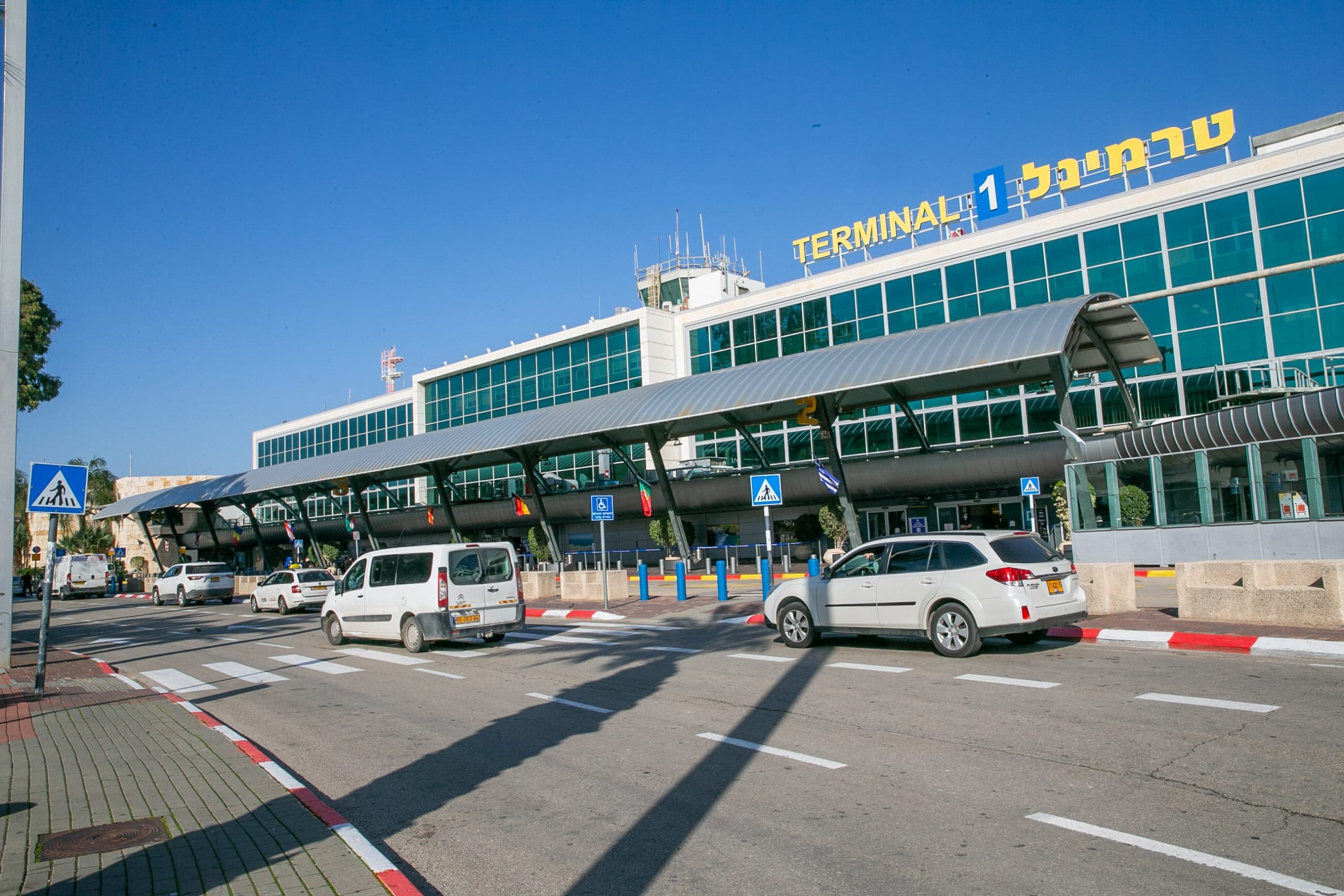
POLICY WIRE — Tel Aviv, Israel — Sometimes, it’s the small, seemingly mundane gestures that reveal the most about an underlying geopolitical pulse. For days, the quiet hum of Terminal 1 at...

POLICY WIRE — Tel Aviv, Israel — Sometimes, it’s the small, seemingly mundane gestures that reveal the most about an underlying geopolitical pulse. For days, the quiet hum of Terminal 1 at Ben-Gurion International Airport sat noticeably absent, a casualty not of a local hiccup, but of far-off, high-stakes brinkmanship. Its recent resumption of domestic flights, then, isn’t just about Israelis getting to Eilat for a weekend; it’s a nervous sigh, a careful recalibration in a region forever teetering.
It was a decision made after what the local press politely termed ‘heightened regional tensions’—a clinical euphemism for ballistic missile exchanges and drone swarms that briefly transformed the airspace into something less benign. When nations start aiming expensive hardware at each other, the airlines don’t typically wait for an all-clear; they pull the plug. And pull the plug they did, turning a bustling domestic travel hub into an echo chamber for days. [QUOTE_PLACEHOLDER]
And now, we’re back. Mostly. It wasn’t a grand reopening with fanfare. It was simply a return to something approximating normal operations, a necessary move for an economy that’s found itself in fits and starts for far too long. Imagine, if you will, the ripple effect across small businesses, tour operators, and countless individuals whose livelihoods hinge on the mundane miracle of domestic air travel. They’ve been through it—they’ve been doing this for months now, operating on the shifting sands of global anxieties and localized skirmishes.
This subtle reopening—Ben-Gurion’s Terminal 1 reopens to domestic flights following Iran war closure—marks a small, almost imperceptible notch in the complex saga that continues to unfold in the Middle East. It’s less a victory cry and more a muted acceptance that life, and its essential functions, must lumber forward, even under the shadow of potential conflagration. Travelers are expected to gradually re-fill its halls, seeking out their brief escapes from daily realities, blissfully (or perhaps, grimly) aware of the Sword of Damocles dangling overhead. Or not. Ignorance can be a rather sturdy coping mechanism.
One cannot, of course, detach this local logistic from the broader tapestry of relationships stretching across continents. Think of Islamabad, for instance. Pakistani officials, while ostensibly neutral, watch such events with a careful eye. Any significant escalation in the Middle East doesn’t just disrupt global oil markets; it sends shivers through regional economies, impacts trade routes that Pakistan relies upon, and even fuels domestic political discourse concerning alliances and strategic positioning. When a key Israeli terminal is shuttered, it signals to financial markets and policymakers in distant capitals that the region’s stability is more fragile than usual. Even a partial resumption suggests—rather tentatively—that cooler heads, for now, have prevailed.
The International Air Transport Association (IATA) reported an average 18% increase in global passenger traffic for 2023 compared to the previous year, according to their December 2023 data. This global surge highlights just how impactful even localized airspace closures are on the entire aviation industry. When an entire airport terminal pauses, it doesn’t just affect point A to point B. It creates a backlog, impacts airline profitability, — and rattles passenger confidence globally. We’re talking about billions of dollars in revenue for these carriers.
Because ultimately, what Israel does on its home turf—be it launching a rocket or simply reopening a departure gate—has an inescapable resonance across the Muslim world. It feeds into narratives, influences public opinion, and shapes the foreign policy calculus in places as far-flung as Jakarta or Dhaka. It’s all interconnected, a ceaseless knot of cause — and effect.
What This Means
This isn’t about peace breaking out. Not yet, anyway. This modest recommissioning of Terminal 1 signals a reluctant truce in a war that largely plays out in the shadows and across cyber networks, occasionally spilling into plain sight. Economically, it’s a necessary attempt to claw back some semblance of activity and signal to investors—domestic and foreign—that core infrastructure remains resilient, albeit vulnerable. Politically, it grants the current government a micro-victory: proof, however temporary, that its strategic responses haven’t completely paralyzed civilian life. But it’s a tightrope walk. The regional actors—Iran, specifically—will view this as a gauge of Israel’s internal resilience and possibly, an opportunity to assess vulnerabilities. For its allies in Washington and London, it’s a chance for a brief exhalation; less immediate panic to manage, but the underlying tensions remain. For populations in Gaza and parts of Lebanon, where daily life often remains anything but normal, the sight of a reopened airport terminal in Tel Aviv serves as a stark, if silent, reminder of persistent disparities. This small gesture, then, doesn’t end anything. It simply suggests the next act is being cautiously planned.