

Dershowitz’s Defeat: Supreme Court Silences Media Malice Claims, Echoing Global Free Press Debates
POLICY WIRE — Washington, D.C., USA — It wasn’t the kind of Hollywood ending many — or few, perhaps — had envisioned for the combative legal eagle at the center of countless high-stakes...

POLICY WIRE — Washington, D.C., USA — It wasn’t the kind of Hollywood ending many — or few, perhaps — had envisioned for the combative legal eagle at the center of countless high-stakes courtroom dramas. Long after the bright lights — and the relentless news cycles had moved on, the U.S. Supreme Court made its quiet but unmistakable declaration. This decision, barely a blip for some, nevertheless underlines the monumental challenges any public figure faces when they try to put a chokehold on media narratives. And it really does shape the broader dialogue around how we talk about, well, talking.
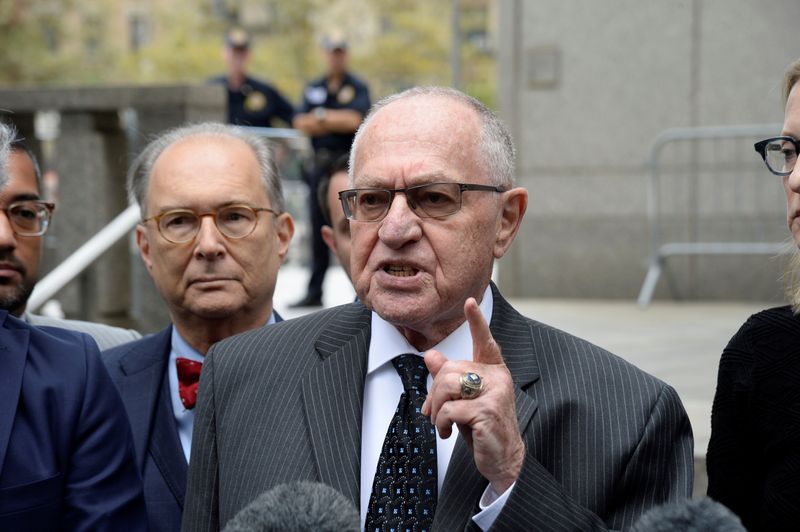
Veteran attorney Alan Dershowitz—whose public profile hardly needed more magnification—had pushed a defamation suit against CNN, alleging the network had effectively branded him a sexual assaulter. His core gripe? That CNN, by snipping short an interview clip from a 2019 legal argument about the Jeffrey Epstein affair, deliberately misrepresented his stance. You know the drill: clip something just right, and a nuanced legal defense morphs into something far more sinister in the court of public opinion. He’d gone through the lower courts, naturally, — and lost there too. Now, the nation’s highest judicial body has effectively sealed his legal fate in this particular saga, opting not to revisit the merits. [QUOTE_PLACEHOLDER]
It’s a tough road, suing a news organization for libel here in the States. They call it actual malice. Meaning, you don’t just have to show the reporting was wrong; you gotta prove the journalists knew it was wrong or acted with a reckless disregard for the truth. It’s a sky-high bar, erected firmly since the landmark New York Times Co. v. Sullivan ruling in ’64. This legal bedrock safeguards vigorous — some might say aggressive — press freedom. But for those on the receiving end of a brutal media spotlight, it can feel like a fortress, impervious to repair for a damaged reputation.
But the real juice here isn’t just about Dershowitz or even CNN. It’s about precedent. It’s about setting boundaries. For journalists, it’s a reaffirmation of the protective mantle they often enjoy, however tattered it may feel some days. For public figures, it’s another stern reminder that engaging with the media, particularly in high-voltage controversies, is a dangerous game. Every soundbite, every fleeting image, gets scrutinized. It’s a battle where reputation is the collateral, — and often, there’s no going back.
And it’s a battle fought with differing weapons across the globe, too. While America grapples with free speech and its inherent messiness, other nations watch, occasionally with a raised eyebrow. In Pakistan, for instance, debates surrounding media freedom often intersect with notions of national security, religious sentiment, or governmental criticism in ways that contrast sharply with the robust American model. Libel and defamation laws there can carry significantly different weight and consequences for journalists and outlets, sometimes used to silence dissent more readily. What’s considered acceptable commentary in one jurisdiction can quickly land a reporter in hot water in another, highlighting the complex global legal patchwork governing news dissemination.
A recent study, published by the Media Law Resource Center in 2023, indicated that less than 10% of media defamation suits filed by public figures in the US ultimately result in a plaintiff victory after appeals. That’s a truly abysmal batting average. It shows you just how fortified the media’s position remains, even as public trust in institutions, including the press, continues to erode.
What This Means
This rejection by the Supreme Court isn’t just a win for CNN; it’s a reinforcement of a legal standard that dictates much of American political discourse. The message is clear: if you’re a prominent voice, expect the most rigorous, sometimes unflattering, scrutiny, and don’t count on the courts to easily roll back critical press coverage, even when context feels mangled. This strengthens the hand of investigative journalism, however flawed it can be in practice, by assuring outlets that they won’t face crippling lawsuits over every editorial choice, particularly involving clip selection.
Politically, this ruling maintains the tension between a fiercely protected free press and public figures desperate to control their narrative. It ensures the public conversation remains broad, if occasionally unrefined. Economically, it provides a degree of predictability for news organizations, reducing the existential threat of exorbitant damages from aggrieved subjects. Had the Court taken up Dershowitz’s case and potentially lowered the bar for ‘actual malice,’ it could have opened a floodgate of litigation, dramatically chilling media outlets’ willingness to report aggressively on powerful individuals. That would’ve had profound effects, maybe pushing journalism towards a much safer, blander, less impactful form, especially in environments already hostile to press freedom, like certain corners of the Muslim world or developing economies, where governments wield considerable power over media narratives. The U.S. remains a benchmark, however imperfect, for the global struggle for journalistic independence. For better or worse, this keeps the current equilibrium. Instant scrutiny is just the cost of doing business when you’re a public figure; courts aren’t in the business of second-guessing editorial judgment with ease. Some might say the policy implications extend to how easily any nation can curtail freedoms, be they voting rights or speech, using legal frameworks.