


Kharkiv Endures Another Echo of War’s Grinding Toll as Diplomacy Fails
POLICY WIRE — Kyiv, Ukraine — They’re saying it was a regular Tuesday. Just another day unfolding under a perpetually gray sky. Then came the whistle, the roar, the explosive punctuation mark on what...

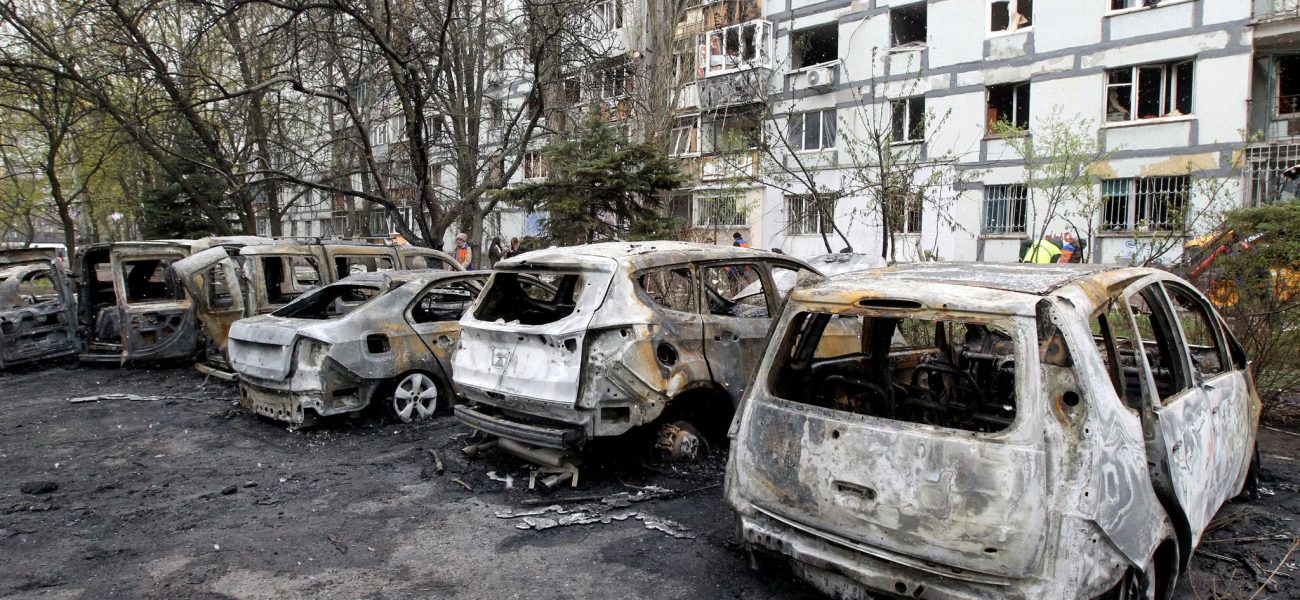
POLICY WIRE — Kyiv, Ukraine — They’re saying it was a regular Tuesday. Just another day unfolding under a perpetually gray sky. Then came the whistle, the roar, the explosive punctuation mark on what should have been an ordinary morning in Ukraine’s second-largest city. This time, the brutal arithmetic of conflict claimed a woman in Kharkiv, her life extinguished by yet another Russian strike—a grim, anonymous addition to the escalating ledger of civilian suffering.
It wasn’t a headline meant to shock. Because, frankly, very little about this prolonged, savage war truly shocks the world anymore. It’s become a part of the everyday news cycle—a low thrum of misery many have learned to tune out. But for the residents of Kharkiv, for those who sift through the debris, for families who now mourn, it’s acutely, horribly real. Both Moscow and Kyiv have been quick to report their own casualties, painting starkly different pictures of a conflict where truth is often the first casualty, after, of course, the people themselves.
Ukrainian authorities didn’t waste a minute blaming Russian aggression. But, they rarely do. “This wasn’t a military target; it never is,” stated Ukrainian presidential advisor Mykhailo Podolyak, his voice, often sharp and accusatory, this time edged with what sounded like sheer exhaustion. “It was an apartment block. A street. A life. Russia’s barbarism isn’t strategy; it’s just plain murder.” And the international community? They’ve issued their usual condemnations, while the machinery of destruction grinds on, impervious to diplomatic scolding. Because words, it turns out, don’t stop missiles.
Conversely, Kremlin spokesperson Dmitry Peskov—ever the master of semantic contortion—maintained Moscow’s actions are surgical, targeting only legitimate military infrastructure. “Our special military operation continues strictly according to plan,” Peskov asserted to state media, brushing off accusations of civilian deaths as ‘Ukrainian fabrications designed to elicit Western sympathy.’ One must admire the theatrical flourish—if it weren’t so cynically detached from the craters in city streets. You’ve got to wonder if they even believe themselves anymore.
The conflict isn’t just about Ukraine — and Russia anymore, though. Its tendrils reach far, touching distant corners, even countries like Pakistan where the geopolitical chess game carries its own, sometimes deadly, localized implications. Consider the volatile regional tensions reflected in stories like Deadly Frontier: Pakistani Strikes Ignite Retaliation Threat as Border Tensions Flare—it’s a brutal reminder that the suffering of ordinary people, caught between great power machinations or localized conflicts, is a universal constant. The Black Sea Grain Initiative, which briefly brought stability to global food prices, was an anomaly. Its collapse meant renewed pressure on nations heavily reliant on wheat imports, including many in the Muslim world, struggling with their own domestic stability.
As the conflict festers, the United Nations Office of the High Commissioner for Human Rights (OHCHR) has documented at least 10,000 confirmed civilian deaths in Ukraine since February 2022, a figure widely considered a significant underestimate. It’s a sobering statistic, yes—but a number, detached and clinical. It fails to convey the sheer terror of that split second, the wreckage, the lives irrevocably altered.
What This Means
The latest strike in Kharkiv is more than just another tragic casualty report; it’s a glaring symptom of a conflict that has slipped into a deeply entrenched, devastating stalemate. Politically, it showcases the utter failure of international diplomacy to forge a path towards genuine peace—a diplomatic void now filled with weapons transfers and rhetorical escalation. Governments across Europe and the U.S. find themselves caught in a bind: committed to supporting Kyiv, yet wary of direct confrontation, they’re effectively overseeing a prolonged proxy war with a horrifying human cost. Economically, the constant disruption in Ukraine, particularly to its eastern industrial heartland and agricultural zones, sends ripples globally. Energy markets remain jumpy. Food prices fluctuate. Rebuilding Ukraine, whenever the guns fall silent, will demand hundreds of billions, a sum that’s already making global donors queasy. And this ongoing instability just feeds extremist narratives and power vacuums elsewhere—it really does.
The brutal truth, then, isn’t about winning or losing territory. It’s about the incremental erosion of humanity itself, one random strike, one grieving family, one forgotten life at a time. The world watches, sometimes with indifference, always with distance. But the noise? The noise of these attacks keeps reverberating.