


Albuquerque’s Daily Gauntlet: The Price of Progress on I-25
POLICY WIRE — Albuquerque, N.M. — It’s a familiar urban tango: the relentless grind of progress demanding its pound of flesh from commuters. For weeks now, the stretch of Interstate 25 slicing...

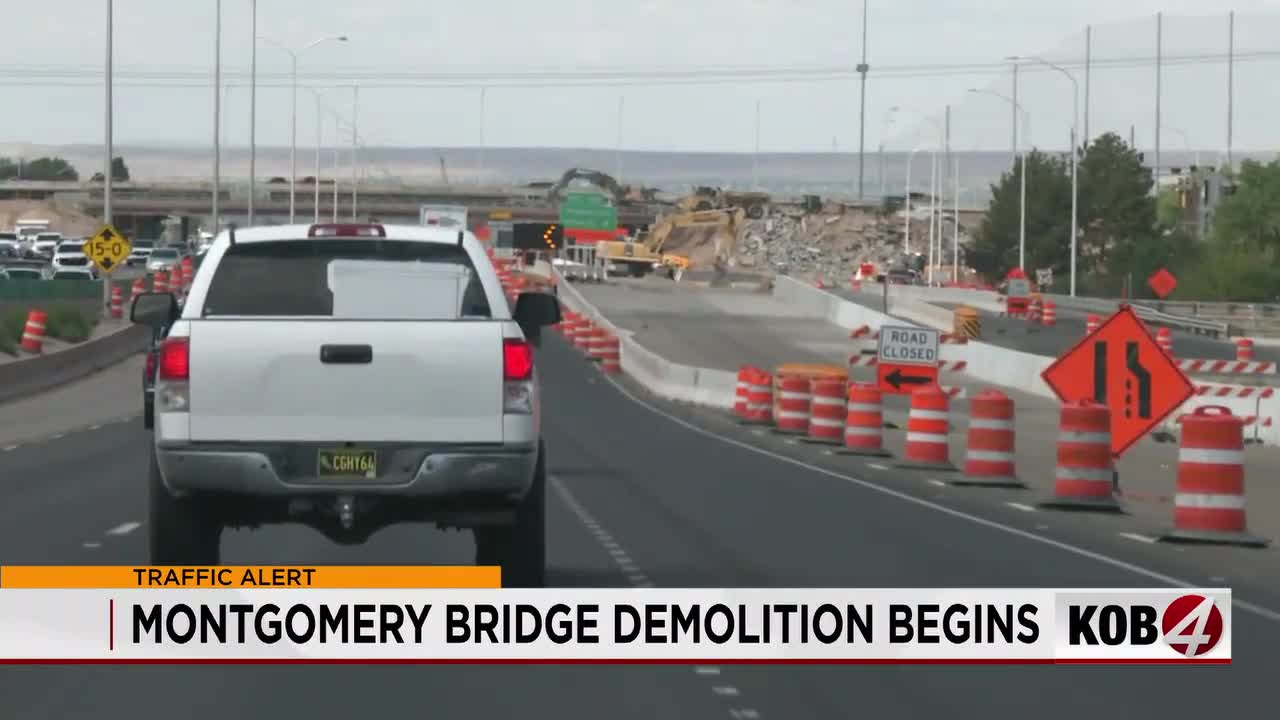
POLICY WIRE — Albuquerque, N.M. — It’s a familiar urban tango: the relentless grind of progress demanding its pound of flesh from commuters. For weeks now, the stretch of Interstate 25 slicing through Albuquerque has become a nightly testament to this immutable law. But this week, the usual slow creep has been replaced by outright closures, ushering in a fresh chapter of collective exasperation for Duke City’s 560,000 residents—all in the name of a shiny new overpass.
Crews didn’t just ease into the work. Oh no. They kicked off a full-tilt demolition of the venerable Montgomery Boulevard bridge. This means I-25 isn’t just congested; it’s straight-up barricaded nightly from 8 p.m. to 6 a.m. Traffic, which normally hums (or more often, crawls) through the heart of the city, gets shunted onto frontage roads, twisting through detours before it’s finally funneled back onto the main artery. It’s a messy business, to be sure.
The New Mexico Department of Transportation (NMDOT) — the folks tasked with this particular engineering headache — are calling this phase a significant milestone in a two-year improvement endeavor. They’ve promised wider roadways, snazzier ramps, — and even advanced U-turns once the dust settles. Sounds lovely on paper, doesn’t it?
For Ariel Tapia, a local resident whose job often involves battling the city’s arteries, it’s just another hurdle. “It’s just another thing to add onto the road and like how busy it gets already,” Tapia lamented, the strain clear in her voice. “I’ll have like orders that I have to go and deliver and I’m like sitting in traffic because of the construction.” And she’s not wrong. It’s not just a minor inconvenience; for gig workers and essential services, delays translate directly into lost earnings and mounting frustration. Zach Charley echoed this sentiment, speculating about the working week ahead. “I think it’s going to be more of an issue… when everyone starts going back to work,” he predicted. “I think they should probably work on the smaller streets, make them bigger for other streets or for other traffic to move through.” It’s a sentiment many probably share, a desire for an elusive bypass that simply doesn’t exist.
Officials say this current stage—the nightly shutdown for bridge removal—is set to wrap up before the Fourth of July. A minor mercy, perhaps. The new structure will boast pedestrian — and bike paths, which sounds promising for the city’s green initiatives. But as Marco Corral pointed out, living through the ‘improvement’ isn’t always glamorous. “We need to wake up earlier. We don’t know where to go, what’s another route that we can take,” he said. But, like many caught in this dance, he also adopted a philosophical tone: “I think we’ll be OK at the end of the day.”
But being ‘okay at the end of the day’ often means navigating a labyrinth of diversions. The New Mexico Department of Transportation insists that while the current situation is disruptive, the long-term benefits are substantial. NMDOT Secretary Stephanie Garcia stated, “This project represents a critical investment in Albuquerque’s future capacity. It’s an unavoidable, temporary pain that delivers a more efficient, safer transportation corridor for decades to come.”
Mayor Tim Keller’s office has been equally vocal, focusing on the economic ripple effect. “We’re pushing hard for these infrastructure upgrades because they unlock further economic growth, support local jobs, and make Albuquerque a more attractive place to live and do business,” a spokesperson quoted the Mayor saying. “We recognize the immediate challenges, but the path to progress isn’t always smooth.” Such rhetoric is standard. And it’s a global song. From Istanbul to Islamabad, burgeoning metropolises routinely tear up their vital veins to make way for tomorrow’s infrastructure, often to the immediate dismay of the very populace they aim to serve. The cost of congestion alone in U.S. cities, for instance, drains an estimated $88 billion annually from the economy, according to a 2023 Texas A&M Transportation Institute report. Albuquerque is simply playing its part in a far larger, universal drama.
What This Means
Beyond the orange cones — and diverted traffic, this seemingly local road project hints at deeper currents. Politically, the NMDOT — and Mayor Keller’s administration walk a tightrope. They need to demonstrate tangible progress on infrastructure promises — often a key campaign plank — while managing widespread public frustration. Prolonged or poorly communicated disruptions could become a political liability, dampening voter enthusiasm for future bonds or initiatives.
Economically, small businesses along the detours will undoubtedly feel the pinch of reduced casual foot and vehicle traffic. But construction projects of this scale also inject state and federal dollars directly into the local economy through jobs and material purchases, which you can’t forget. It’s a tricky balancing act between short-term pain for certain sectors — and a long-term economic stimulant. Successful completion, as envisioned, could enhance commercial logistics, making the area more attractive for enterprise, thus linking directly to broader regional development strategies. But only if businesses can weather the storm. And if the NMDOT holds its stated timeline.