


Shadows Deepen Over Galilee: A Nation Counts the Cost of Neglect
POLICY WIRE — Tel Aviv, Israel — The phone calls started as whispers, then became screams. It wasn’t the rockets from Gaza or the tension in the West Bank that carved new lines of grief across...

POLICY WIRE — Tel Aviv, Israel — The phone calls started as whispers, then became screams. It wasn’t the rockets from Gaza or the tension in the West Bank that carved new lines of grief across Israel this week. It was something far more insidious, homegrown. Five lives snuffed out in a single, brutal surge across the Galilee, leaving behind not just mourning families, but a deeper fissure in the uneasy truce between a state and its underserved citizens. The air always thick with talk of external threats, now chokes on an internal malaise.
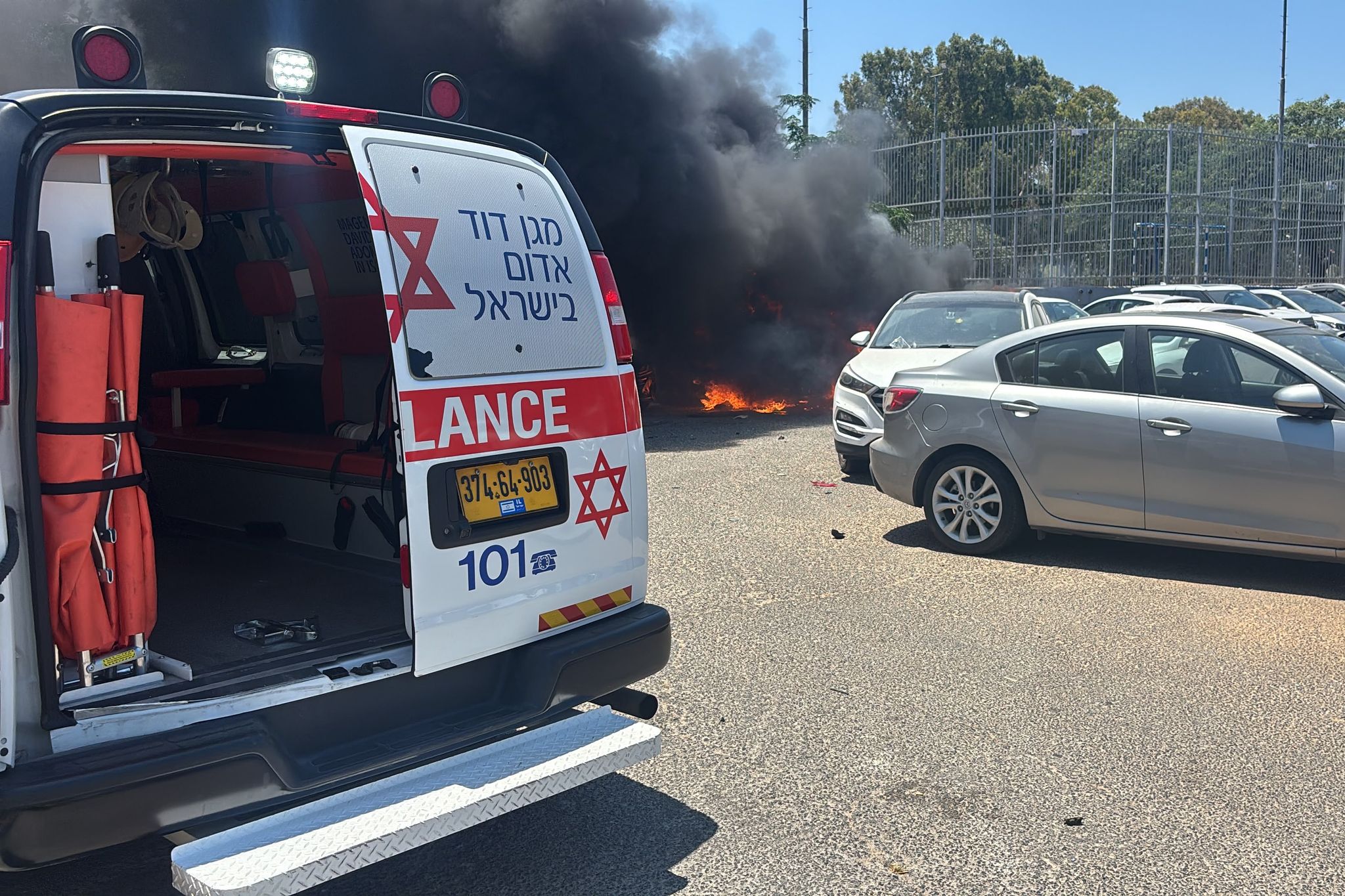
It began—or, more accurately, reached another gruesome peak—with what authorities are calling a “crime spree” that swept through a pair of Arab-majority towns. Beit Jann, a Druze village perched high in the mountains, saw two men gunned down. Just hours later, across the valley in Jadeidi-Makr, three more fell to bullets. Think about that. Five. Dead. In one bloody afternoon. A statistic that might fade from the national news cycle too quickly, perhaps. But for those communities, it’s a gut punch.
And it’s not a new phenomenon. Far from it. This latest carnage isn’t a random blip; it’s the stark punctuation mark on a persistent, agonizing problem of soaring crime rates, particularly in Arab-Israeli communities. Because for years, residents have decried a lack of policing, a perception of indifference from central government, and the metastasizing grip of organized criminal gangs that operate with what often seems like impunity. The violence—it’s often deeply personal, a family feud, a gang rivalry over extortion or drug routes, a territorial dispute that escalates into fatal reprisal. The tools are easily acquired: illicit firearms flooding the market, many of them reportedly stolen from military bases.
“We’re confronting this criminal scourge head-on, with every resource at our disposal,” Prime Minister Benjamin Netanyahu was quoted as saying, his voice resonating with his signature resolve during an emergency security briefing. “Order will be restored. We won’t allow criminals to terrorize our citizens, no matter where they reside.” A standard promise, often heard, but its efficacy in these beleaguered towns remains a subject of bitter debate.
But that rhetoric often rings hollow to those living in the crosshairs. Mr. Fawaz Bakri, Mayor of Jadeidi-Makr, didn’t mince words. “The state has neglected us for decades,” he charged, his face etched with fatigue. “They speak of law — and order, but where is it for my people? Our children walk streets where blood is spilled, — and the police often seem absent or overwhelmed. It’s a national tragedy born of selective attention, frankly.”
The numbers don’t lie. According to a recent report by the Abraham Initiatives, a civil society organization tracking violence in Arab society, over 70% of homicides in Israel since 2020 have occurred within Arab communities, a disproportionately high figure given their approximately 21% share of the population. That’s a staggering discrepancy. It reflects a systemic failure to protect life, a wound that festers.
What This Means
This eruption of violence isn’t just about crime; it’s a critical stress test for Israel’s internal cohesion and its state apparatus. Politically, it deepens the existing chasms within the ruling coalition, where Arab parties often lament governmental inaction, and hardline factions prefer to frame the issue through a security-first lens. The economic fallout is equally corrosive. Businesses in these affected towns struggle to attract investment, young talent often flees, and the overall quality of life diminishes, perpetuating a cycle of deprivation that feeds into criminality. It’s an unspoken tax on those least able to pay it.
From a broader geopolitical perspective, the unchecked internal security crisis within a multi-ethnic society like Israel echoes concerns across the wider region. When internal trust erodes—when a segment of the population feels abandoned by the state—it creates vulnerabilities, not just domestically, but also in the perception of regional stability. Countries like Pakistan, grappling with their own challenges of internal security, separatist movements, and the delicate balance of diverse ethnic groups, understand the volatile interplay between state capacity, community trust, and the shadow of organized crime. Just as Beijing’s growing influence with green exports points to shifting global realities, so too does this domestic strife highlight the enduring challenges of state-building and minority integration, a narrative watched keenly across the Muslim world and beyond. If a state can’t secure its own citizens within its recognized borders, even as it projects power externally, that raises questions about fundamental governance.
The silence from the federal benches is telling. There’s plenty of talk, yes. Promises made. Committees formed. But the sound of gunfire often seems to drown it all out. What’s unfolding in the Galilee, whether intentional or not, is a quiet secession of state authority in favor of the criminal underworld—a retreat that leaves ordinary people to pay the steepest price.