

The Drowning Silence: How Albuquerque’s Pools Expose a Global Policy Deficit
POLICY WIRE — Albuquerque, N.M. — It’s a quiet killer, far removed from the bombast of geopolitics or the clamor of Wall Street. It claims children with brutal efficiency, often unnoticed by the...

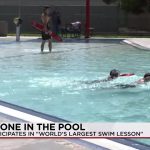
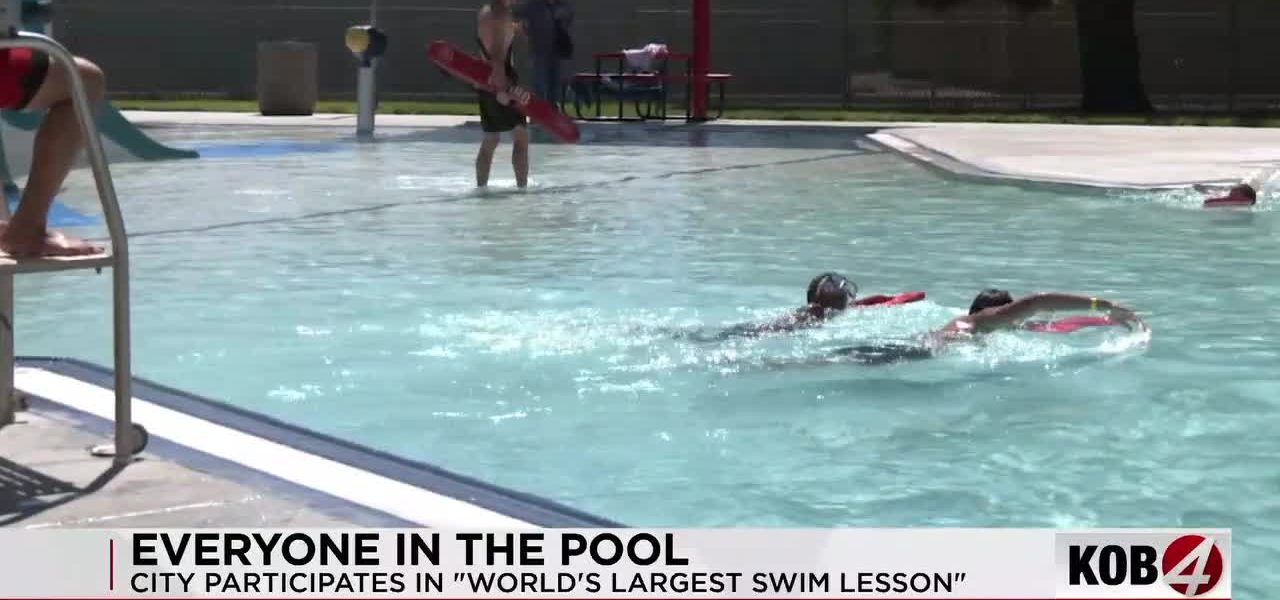
POLICY WIRE — Albuquerque, N.M. — It’s a quiet killer, far removed from the bombast of geopolitics or the clamor of Wall Street. It claims children with brutal efficiency, often unnoticed by the headlines. Drowning. And yet, amidst the usual municipal churn, Albuquerque, New Mexico, just wrapped up an initiative that, in its unassuming way, speaks volumes about public policy—or the glaring lack thereof—on a much grander stage. Local pools recently flung open their gates for free, 30-minute swim lessons, an almost quaint endeavor tucked within something grandiosely titled the ‘World’s Largest Swim Lesson.’
It sounds… pedestrian, doesn’t it? Free lessons at the pool. But scratch beneath the surface of this small-town effort and you find some rather sobering truths about global priorities. The City of Albuquerque isn’t just splashing around; they’re targeting a statistic as stark as it’s preventable. Formal swimming lessons, officials were quick to point out, can slash the risk of drowning by an astounding 88 percent for young children, according to studies published by the American Academy of Pediatrics. That’s not a rounding error. That’s a game-changer.
“We’re talking about basic life preservation here, not competitive strokes,” remarked Mayor Tim Keller, with a practiced political gravitas that often underpins even the simplest civic acts. “When we can offer a proven defense against tragedy for free, you do it. It’s a minimal investment for maximum human impact—something many larger governmental bodies would do well to remember.” His sentiment hangs in the air, a thinly veiled critique of the often-lopsided distribution of public funds.
And let’s be honest, it’s often easier for bureaucrats to greenlight a sprawling infrastructure project than to champion something as mundane as teaching a kid to float. Because these small, preventative measures don’t often generate flashy ribbon-cutting ceremonies, do they? But for a community—for a parent—that 88 percent isn’t an abstraction; it’s a breath of life.
“The health burden of preventable drowning, particularly in younger demographics, remains significant,” explained Dr. Lena Singh, a public health director for the region, speaking with an earnest pragmatism that’s rare outside a clinical setting. “We’ve seen what happens when communities don’t prioritize fundamental water safety. This isn’t just about fun; it’s a public health imperative. We’ve made it our mission to turn that tide—no pun intended—one lesson at a time.” Her conviction was palpable. You could feel it.
But the picture gets infinitely grimmer beyond Albuquerque’s well-maintained pools. Consider places like Pakistan. A nation frequently grappling with torrential monsoon floods, where annual displacement and loss of life from water-related incidents are routine, the concept of widespread, accessible swim lessons feels like a luxury of a distant planet. Infrastructure is often compromised, poverty widespread, and the sheer logistics of organizing such an initiative for millions seem almost insurmountable, especially in rural areas where standing water is a common, often dangerous, feature of the landscape. While Albuquerque wrestles with recreational safety, parts of the Muslim world are locked in a grim struggle for mere survival against the water’s unforgiving might.
📄 POLICY WIRE WHITEPAPER PUBLISHED: PAKISTAN'S NATIONAL SECURITY POLICY PRIORITIES
👉 READ BY CLICKING HEREAnd then there’s the subtle social engineering at play. Adriana Vigil, a head lifeguard at West Mesa Aquatics Center, pointed out that children as young as six months can get lessons. Six months! This isn’t just about rescue; it’s about instilling confidence, respect for water, and a proactive survival instinct from the earliest possible age. They aren’t just teaching the butterfly stroke; they’re teaching a primitive self-preservation that, frankly, many adults lack.
But despite this proactive stance, Albuquerque officials still need to preach common sense, urging folks to stick to designated swimming spots and keep clear of arroyos and irrigation ditches. Because even the best lesson can’t override poor judgment. You can offer the lifeboat, but some folks still gotta know when not to jump off the ship. For those who missed the free Friday event—a single morning window, a slightly perplexing efficiency—paid lessons are still available. It’s a pragmatic recognition that while altruism can kickstart things, sustainability often requires a transaction.
What This Means
The quiet success of Albuquerque’s swim lesson program, almost mundane in its execution, actually throws a spotlight on a fascinating policy paradox. Here, a seemingly trivial municipal initiative directly addresses a serious public health concern with demonstrably effective, data-backed results. The economic implications are substantial: averted healthcare costs, reduced productivity losses, and—most importantly—the immeasurable value of saved lives. But why aren’t such programs more widespread, not just across the U.S., but globally?
Politically, it’s often a challenge to champion preventive, long-term programs that don’t yield immediate, splashy returns (pun intended again, apologies). Taxpayers often prefer tangible projects. Yet, the cost of inaction on drowning, especially among vulnerable populations in countries like Pakistan, isn’t just humanitarian; it cripples emerging economies and strains already fragile healthcare systems. This world stage, unequal footing means simple solutions in one locale highlight tragic neglect in another. It’s a stark reminder that sometimes the most impactful policy decisions aren’t made in glittering summits, but in the chlorinated confines of a community swimming pool.