

New Mexico Aquarium’s Latest Revamp Drowns Out Digital Discord
POLICY WIRE — ALBUQUERQUE, N.M. — In an era obsessed with digital immersion, where pixelated avatars often overshadow palpable experiences, the humble aquarium stands—or rather, swims—as an...

POLICY WIRE — ALBUQUERQUE, N.M. — In an era obsessed with digital immersion, where pixelated avatars often overshadow palpable experiences, the humble aquarium stands—or rather, swims—as an increasingly contrarian institution. Albuquerque’s BioPark Aquarium has, after a five-month hiatus that saw its front entrance and upper decks cordoned off, re-emerged with the kind of fanfare reserved for projects that perhaps unconsciously contend with the ubiquitous screens defining modern life. Call it a brick-and-mortar pushback, if you will.
It wasn’t just about fresh paint — and polished glass. Crews apparently made improvements with updated signage to make it easier for visitors to get around
. Think of it as a low-tech navigational update, a pleasant anomaly in a world clamoring for intuitive UIs and GPS overlays on everything from our cars to our coffee makers. A new ticket office now greets patrons, an analog checkpoint for those embarking on an underwater journey that remains refreshingly offline. [QUOTE_PLACEHOLDER]
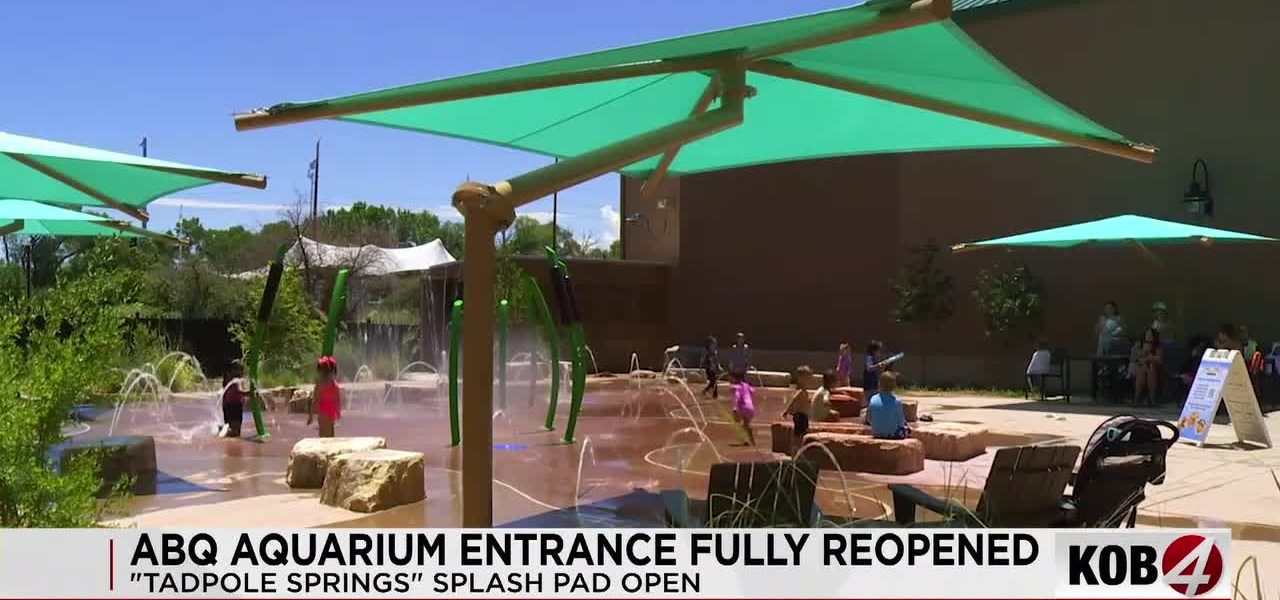
But the true policy implication, one might argue, wasn’t merely the facility’s physical facelift, but the quiet philosophical statement underpinning its re-emergence. Especially pertinent is the revamp of the Tadpole Springs splash pad, now humming along seven days a week. It isn’t just about kids getting wet; it’s about a strategic counter-narrative to the digital deluge.
Allyson Zahm, an ABQ BioPark Guest Experience manager, articulated this rather succinctly, suggesting a yearning for pre-internet innocence. Children need the opportunity to play outside more. Our lives as adults — and other as kids are so kind of driven now by screens and media,
she mused. And, as a candid follow-up, And I really want kids to have the opportunity to play outside, to use their imagination to build their physical and mental health. And Tadpole Springs is just one of many ways to do that.
It’s a statement that, in its earnestness, perfectly captures the societal unease with constant digital engagement—a sentiment echoed by parent groups and health organizations globally.
Indeed, a recent report by Common Sense Media indicates the average American child aged 8-12 now spends roughly four to six hours daily fixated on screens. These local civic investments in public, physical recreation aren’t just about providing entertainment; they’re about actively combating a burgeoning public health crisis of sedentary screen dependence. They’re a declaration that kinetic, tactile experiences still hold intrinsic value, maybe even more so now than ever.
Visitors are, helpfully, asked to towel off post-splash before heading indoors to observe the marine life. And here’s where the city’s clever infrastructure shines a bit brighter: The adjacent Botanic Garden offers a conveniently dry interim, a natural pause for those who might feel that immediate transition from boisterous splashing to quiet contemplation of a lionfish is simply too jarring. Or vice-versa. There’s a certain efficiency to it all, a careful choreography of urban leisure that suggests more than casual planning.
📄 POLICY WIRE WHITEPAPER PUBLISHED: PAKISTAN'S NATIONAL SECURITY POLICY PRIORITIES
👉 READ BY CLICKING HEREWhat This Means
The reopening of a municipal aquarium, on the surface, feels like a straightforward good-news item. But for Policy Wire, the implications stretch further, touching on the shifting sands of public policy regarding civic spaces, childhood development, and the very nature of urban planning in a digitally fractured world. Cities, whether Albuquerque or Karachi, face constant pressure to allocate dwindling resources.
This particular investment, a public aquarium upgrade—which represents an investment in tangible experiences over digital distractions—speaks volumes. It suggests a belief in the enduring importance of community hubs, of spaces where human interaction, not algorithmic feeds, drives the experience. In Pakistan, for instance, debates often rage over prioritizing infrastructure projects: grand new motorways versus more accessible, green public parks. Or, for that matter, cultural institutions that cater to children’s cognitive and physical development rather than simply urban sprawl. The conversation about public parks and recreational spaces in sprawling metropolises like Lahore or Islamabad, often centers on equity of access and maintaining these assets against commercial encroachment. This Albuquerque upgrade, modest as it appears, highlights a universal truth: governments, at some level, still acknowledge the intangible benefits of investing in joy and wonder, particularly for their youngest citizens.
But let’s be real; it’s not purely altruism. These facilities, like any publicly funded asset, contribute to the local economy—drawing tourists, employing staff, and generating revenue. The implicit argument being made here is that civic improvements, particularly those catering to families, pay dividends, both fiscal and social. It’s an ongoing negotiation between municipal budgets and communal well-being, an equation that countries in South Asia—grappling with their own rapid urbanization and infrastructure needs—understand all too well. They, too, face the challenge of providing their burgeoning youth populations with opportunities for genuine engagement, not just screens. It’s a global dance, really, between public spending and private pleasure, all orchestrated, more or less, by elected officials and civic-minded managers. It isn’t just about fish, you know.