

Pentagon’s Pacific Command Renaming Sparks Concern Over India Ties
POLICY WIRE — Washington, D.C. — A recent decision by the Pentagon to revert the name of its largest unified military command has ignited debate over Washington...

POLICY WIRE — Washington, D.C. — A recent decision by the Pentagon to revert the name of its largest unified military command has ignited debate over Washington’s strategic alignment and its enduring commitment to key partners, particularly India. The removal of ‘Indo’ from the ‘Indo-Pacific Command’—a change made eight years after its initial inclusion—suggests, to some, a recalibration of focus that could inadvertently sideline a crucial alliance.
On June 16, US officials publicly announced the reversion, articulating the move as one of “honour,” “pride,” and a return to “respecting historical roots.” This public justification positions the renaming as an internal, almost nostalgic, reassertion of identity for the command, which now returns to its former moniker, Pacific Command (PACOM).
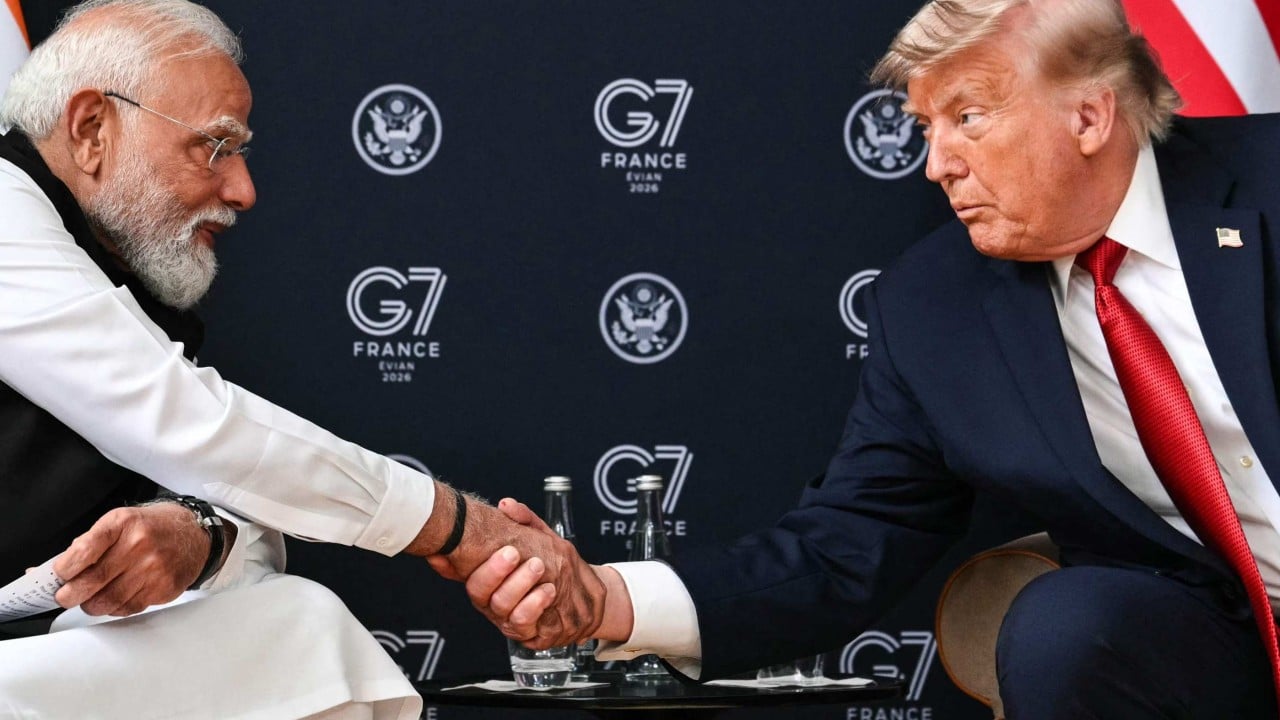
However, this narrative faces skepticism from external observers. Analysts, speaking to This Week in Asia, suggest that New Delhi would likely interpret the shift back to Pacific Command (PACOM) with significant concern, potentially viewing it as a symbolic—if not substantive—downgrade in their perceived strategic importance within Washington’s regional security framework.
The insertion of ‘Indo’ into ‘Pacific Command’ approximately eight years ago was more than a mere linguistic adjustment; it was a deliberate and high-profile strategic pivot. The shift to ‘Indo-Pacific Command’ officially recognized India’s escalating geopolitical significance and its essential role in a broadened security concept that spans two oceans, from the African coast across the Indian Ocean to the American West Coast. This naming convention underscored a commitment to fostering a multilateral security architecture that actively engaged New Delhi as a peer within a vital economic and defense corridor.
For years, the ‘Indo-Pacific’ framing has been central to US foreign policy rhetoric, especially in discussions regarding containing China’s influence and promoting a ‘free and open’ regional order. Its widespread adoption signaled a more inclusive strategy, acknowledging India’s naval power, strategic location, and growing economic might as integral to regional stability.
The decision to strip away this ‘Indo’ prefix, then, is more than an administrative change. It prompts questions about the underlying diplomatic intent. While the Pentagon’s stated reasons highlight tradition, they simultaneously overlook the very modern geopolitical developments that necessitated the ‘Indo-Pacific’ terminology in the first place. This disjuncture between official explanation and external perception creates fertile ground for misunderstanding, particularly for a partner like India, which has invested considerably in strengthening its strategic ties with the United States in recent years.
Considering the history, the return to ‘Pacific Command’ could be perceived in New Delhi as an unforced error, potentially signaling a diminished emphasis on the Indo-Pacific construct and, by extension, on India’s pivotal role within it. This comes at a time when major global powers are increasingly vying for influence across the Indian Ocean Region and the broader Asia-Pacific, making the semantics of military command designations surprisingly potent tools of diplomacy.
What This Means
The Pentagon’s recent renaming action, despite its seemingly benign official justification, carries significant geopolitical implications. Reverting to ‘Pacific Command’ could be interpreted by India as a symbolic regression, potentially undermining the meticulously cultivated strategic partnership between Washington and New Delhi. For years, the ‘Indo-Pacific’ concept has served as the rhetorical cornerstone of a broader, more inclusive US strategy aimed at engaging crucial partners like India in regional security and economic frameworks. The explicit inclusion of ‘Indo’ was a signal of India’s heightened status — and centrality. Its removal, regardless of the Pentagon’s intent, risks sending a counter-message.
This episode highlights the delicate nature of alliance management in an era of complex global power dynamics. Even seemingly administrative changes in military nomenclature can trigger diplomatic repercussions, necessitating careful consideration of how such moves are perceived by allies and adversaries alike. Whether this rebrand signals a genuine, if subtle, shift in US strategic priorities or merely an attempt to streamline nomenclature under a traditional banner remains to be seen. What is clear, however, is that Washington will likely need to engage in intensified diplomatic outreach to assure New Delhi of its unwavering commitment to the strategic partnership, mitigating any potential damage from a decision driven, by all official accounts, by “historical roots” rather than forward-looking diplomacy. (Reporting based on This Week in Asia)