

The Enduring Shadow of Bondage: India’s Economic Miracle, a Grim Underbelly Exposed
POLICY WIRE — New Delhi, India — The morning headlines often sing praises of India’s roaring economy, its burgeoning tech hubs, and its confident stride onto the global stage. We hear tales of...

POLICY WIRE — New Delhi, India — The morning headlines often sing praises of India’s roaring economy, its burgeoning tech hubs, and its confident stride onto the global stage. We hear tales of digital transformation, of new millionaires born every day. But beneath that glitter, just a few hours’ drive from the country’s pulsing metropolises, a different, far older narrative stubbornly persists: the stark, unforgiving reality of human bondage.
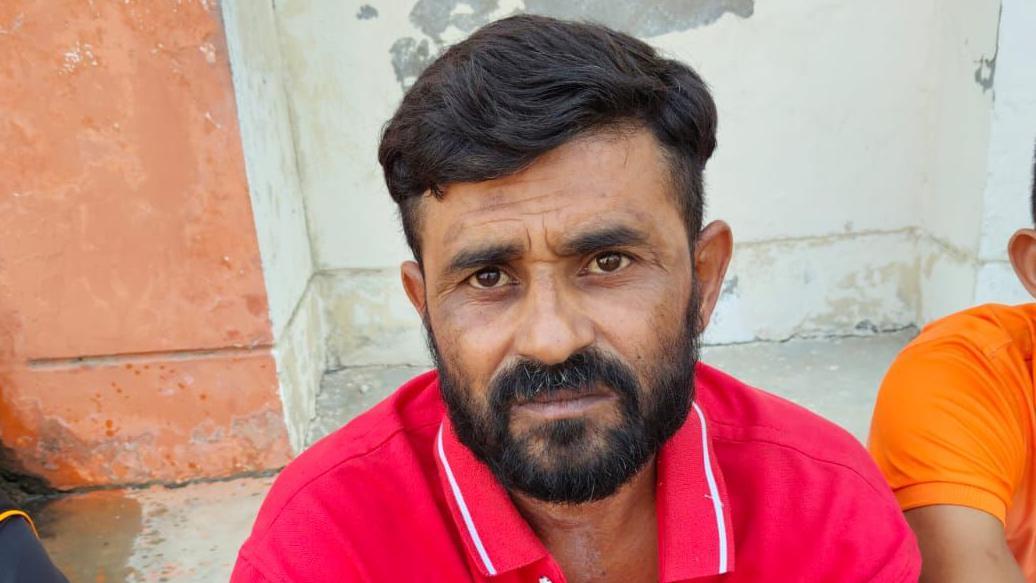
It’s not just a statistic, you know. It’s the broken body, the hunger-dulled gaze. Recently, police intervention in a dusty corner of India pried open one such horrific scene, rescuing dozens of men from what can only be described as modern-day servitude. Their sin? Poverty, usually—and the desperation that chains families for generations, for scraps of food and unending toil. They’d been working brick kilns, they’d said, their bodies bruised, bellies concave, treated less like human beings and more like expendable machinery.
And these weren’t isolated cabins in the wilderness. We’re talking about operations running close to towns, within earshot of so-called civilized society. This wasn’t some arcane practice hidden from public view, but a thriving, brutal industry, powered by the sheer economic vulnerability of countless souls. Their employers, the ones who had promised a bit of an advance, or perhaps a loan for a medical emergency, had then squeezed them dry. Day after brutal day.
It’s an inconvenient truth for a nation that loves to tout its rapid progress. India’s official stance, often articulated with solemn promises, always condemns such practices. “While we condemn any act of exploitation, this appears to be an isolated incident of grave misconduct,” stated Priya Sharma, Deputy Secretary at India’s Ministry of Labour & Employment, in a canned response that felt both practiced and hollow. “We’re committed to upholding the dignity of labor, and perpetrators will face the full force of the law.” She’d say that, wouldn’t she?
But many on the ground, those who actually track this grime, aren’t so convinced of its ‘isolation’. “These aren’t isolated cases. They’re symptoms of a gaping systemic wound, festering in the shadows of India’s economic growth,” counters Rashid Khan, South Asia Director for Human Rights Watch, his voice tinged with the weary familiarity of decades observing this very problem. “We see this daily, from the fields to the factories, across this region. It’s a cancer that’s too often ignored by those in power.” He isn’t wrong.
The quiet desperation underpinning such practices, for instance, isn’t unique to India’s rural belt. It echoes similar vulnerabilities seen elsewhere, like the raw struggle for dignity and survival observed in recent protests, where populations grapple with structural economic issues. The plight of these Indian laborers is, sadly, mirrored in various forms across the subcontinent, from the fishing boats off Pakistan’s coast to the garment sweatshops in Bangladesh. It’s a shared regional malaise—a corrosive human cost of rapid, unregulated economic expansion, often fueled by desperate migration flows, both internal and cross-border.
Globally, the International Labour Organization (ILO) estimates that 27.6 million people were in forced labour in 2021, with over half of that staggering number — 15.1 million individuals — concentrated right here in the Asia and the Pacific region, making it the geographical epicenter of this particular human rights catastrophe. That’s a lot of invisible misery, isn’t it?
What This Means
The exposure of such severe bonded labor situations casts a long shadow over India’s developmental narrative, both domestically and internationally. Politically, it presents a dilemma: how does a rising global power reconcile its aspirational image with such entrenched human rights abuses? It forces a difficult conversation about enforcement mechanisms, bureaucratic corruption, and the uncomfortable intersections of caste, poverty, and power that make communities so profoundly susceptible to exploitation.
Economically, this isn’t just about ‘bad apples’. These incidents reveal cracks in supply chains, formal or informal, and signal a broader failure of labor market regulation. Foreign investors, increasingly scrutinizing ESG (Environmental, Social, — and Governance) factors, could well pause. Because nobody wants to be tied, even indirectly, to human slavery. It questions the very nature of economic growth; is it sustainable when built on such a bedrock of suffering? The societal fallout is profound, too. It perpetuates cycles of deprivation, fuels distrust in government, and grinds away at the very social fabric, making meaningful inclusive development feel like a cruel joke.
And it’s a regional issue. The dynamics of poverty, porous borders, and shared cultural norms regarding debt and patronage make forced labor a common thread in South Asia. Resolving it demands more than just occasional police raids; it requires a concerted, transnational effort, rooted in robust legal frameworks and—crucially—a genuine political will to confront uncomfortable truths, no matter how much they clash with shiny PR.