

Anfield’s Unseen Clock: Bajcetic’s Comeback Battles The Economics Of Elite Football
POLICY WIRE — Liverpool, UK — The ruthless clock of top-tier football waits for precisely no one, especially not for the young and recently fragile. It just ticks on, indifferent to the flashes of...

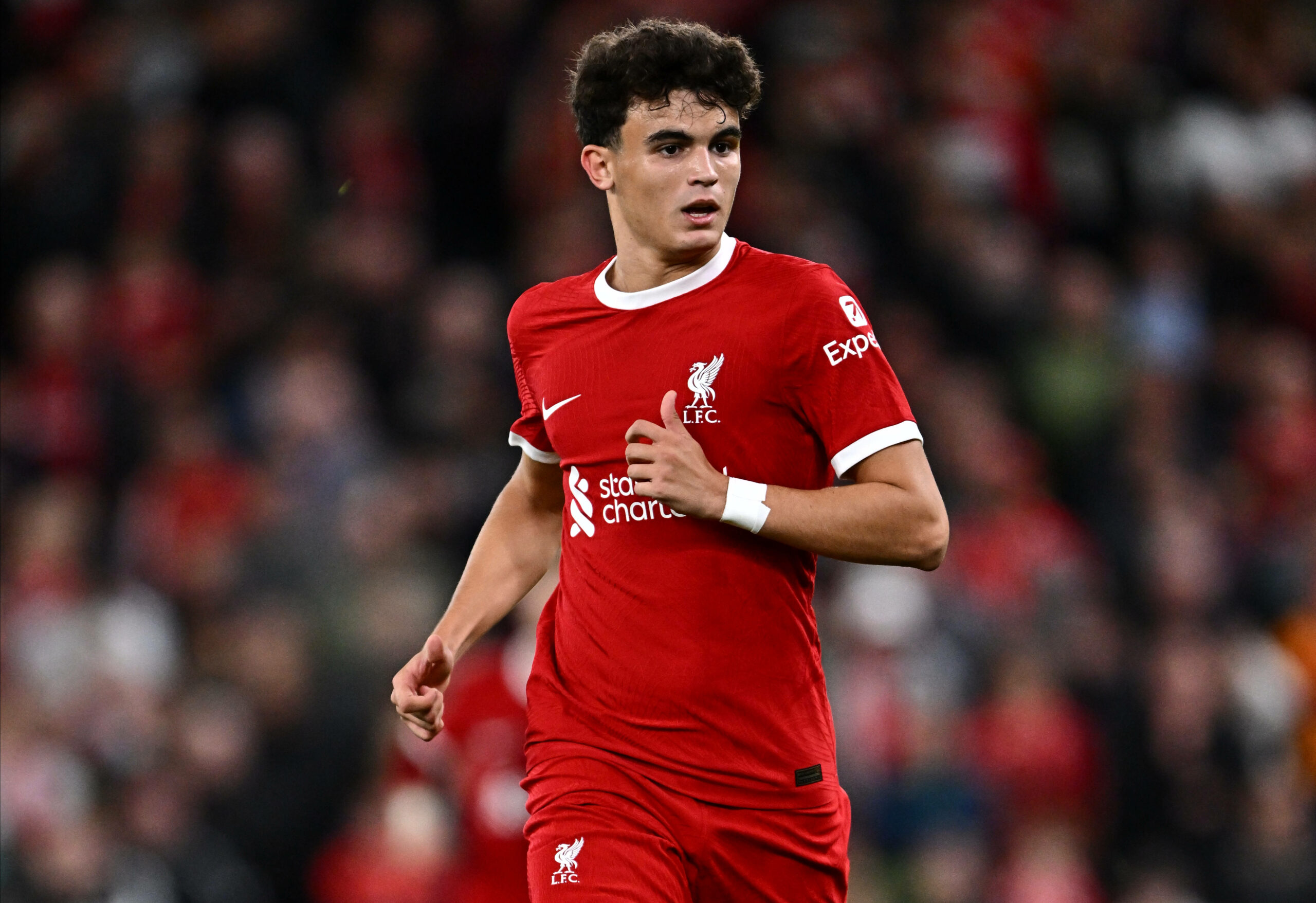
POLICY WIRE — Liverpool, UK — The ruthless clock of top-tier football waits for precisely no one, especially not for the young and recently fragile. It just ticks on, indifferent to the flashes of brilliance or the gut-wrenching pain of prolonged absences. At Anfield, this relentless rhythm now dictates the uncertain immediate future of Stefan Bajcetic, a midfielder once hailed as the heir apparent to the hallowed engine room. He’s stuck at a career crossroads, needing a new boss—Andoni Iraola—to sign off on his next act.
It’s a peculiar kind of limbo, isn’t it? A player brimming with technical poise and a natural intelligence for the game, yet sidelined by a body that’s just refused to cooperate. We’ve seen it countless times; the ‘next big thing’ derailed not by a lack of talent, but by anatomy’s cruel joke. Bajcetic, still only 21, arrived as a promising Spanish import, a genuine article whose composure and spatial awareness stood out like a sore thumb among players twice his age. And then, silence. An adductor injury became a phantom limb, haunting his progress, stretching his three initial years at the club. His game count went from 19 appearances to a mere 22 in over three years—that’s the cold, hard reality for him, according to Transfermarkt data, no sentimental arithmetic there.
Now, a fresh pair of eyes has landed on the Anfield bench. Andoni Iraola, unburdened by prior loyalties, sees everyone as a new signing. But how do you assess someone whose talent is known but whose physical durability remains an open question? Bajcetic has even cut his summer break short—a clear signal of intent, a young man desperately trying to claw back lost time. Because here’s the thing: elite football doesn’t trade in ‘what ifs.’ It deals in ‘what now?’
“We don’t deal in sentiment, only performance,” Iraola stated recently, a statement that echoed through the pre-season halls. “Every player, regardless of past reputation, earns their place here. We need ready bodies, ready minds. It’s a clean slate for everyone, but the physical demands… they don’t compromise.” And that’s the brutal honesty of the job. You can’t sugarcoat it for potential. You either pass the fitness test, or you don’t. A quartet of Championship clubs—Preston North End, Stoke City, Blackburn Rovers, and Middlesbrough—are sniffing around, eyeing him for a loan. They know the talent’s there; they just wonder if the engine holds up.
A move to the Championship isn’t some demotion; it’s a baptism by fire. It’s physical, it’s relentless, and it’s the kind of grinding environment that forces rhythm back into a player, one way or another. But not just any loan will do. It needs to be the right club, the right system, where he’s not merely filling a squad number but rebuilding his career. He needs playing time, proper minutes. The Liverpool hierarchy knows it’s a gamble, a strategic deployment of a high-value asset.
“Our duty is to the club’s future,” a senior club scout, speaking anonymously due to internal protocol, clarified. “A young talent’s path isn’t linear. Sometimes the best investment means a strategic divestment—a loan, in this case—to mature the asset, protect its long-term value, and ultimately, its utility to us. It’s about data, yes, but also instinct for individual pathways. And patience, though that’s a commodity getting scarcer all the time.” And he’s right. Because the economics of developing talent can be as tricky as managing the squad. It’s all about the perceived value. In a world where European football is increasingly intertwined with global capital flows and diverse investor interests, every player is, in a sense, a balance sheet entry. His recovery needs to convert into on-field ROI.
This whole scenario — the injured prodigy, the new coach, the loan scramble — it mirrors larger patterns in professional sports, even in regions far from Merseyside. Consider the academies springing up in places like Pakistan, trying to cultivate raw footballing talent against long odds, against different cultural priorities, striving to make it to the European stage. The ambition is global, the stakes immense for a young player whose family and community often pour everything into that dream. They face their own version of Iraola’s assessment—the harsh realities of talent identification and economic viability. But even then, without durability, without consistent playtime, that dream remains exactly that: a dream.
What This Means
This isn’t just about one player; it’s a telling case study for Liverpool’s broader strategy under new leadership. Iraola’s decision on Bajcetic will send a clear message about how he intends to manage the fringes of his squad, especially players emerging from lengthy injury layoffs. A smart, carefully chosen loan could stabilize Bajcetic’s market value, turning him from a liability to a genuine prospect once again. If Liverpool botches this, if he lands in a team where he’s misused or sits on the bench, it’s not just a setback for the player; it’s a failed asset management strategy. For a club operating in the global transfer market, where every pound spent on youth development needs to justify itself, mishandling Bajcetic would be a quiet admission of a system’s fault lines. It would suggest a lack of nuanced understanding of how to nurture talent beyond the immediate demands of the first team, potentially signaling a more cut-throat, less empathetic approach to player welfare – a shift from the often-praised familial atmosphere that Jurgen Klopp cultivated.