


Bangladesh Appeals to Malaysia for Renewed Labor Migration, Rights Concerns Persist
POLICY WIRE — In a significant diplomatic overture, Bangladesh's newly inaugurated leader has urged Malaysia to open its labor market further to Bangladeshi wor...

POLICY WIRE — In a significant diplomatic overture, Bangladesh’s newly inaugurated leader has urged Malaysia to open its labor market further to Bangladeshi workers. The request, however, comes as migrant rights groups sound alarms over persistent issues of recruitment abuse, mounting debt, and cases of workers being left stranded, suggesting a deeper review is necessary before expanding the pipeline. (Reporting based on wire reports)
The plea was made by Prime Minister Tarique Rahman to his Malaysian counterpart, Anwar Ibrahim, during discussions held in Putrajaya on Monday. This visit marked Rahman’s first foray abroad since assuming his leadership role, underlining the importance Bangladesh places on strengthening its relationship with Malaysia, particularly concerning economic partnerships and labor migration.
Prime Minister Tarique Rahman conveyed to Anwar Ibrahim his specific request for consideration regarding the intake of more Bangladeshi workers, an industry that has historically been fraught with challenges. The initiative is part of a broader effort to expand bilateral ties between the two nations, which have long shared a complex relationship involving trade, investment, and a significant flow of migrant labor.
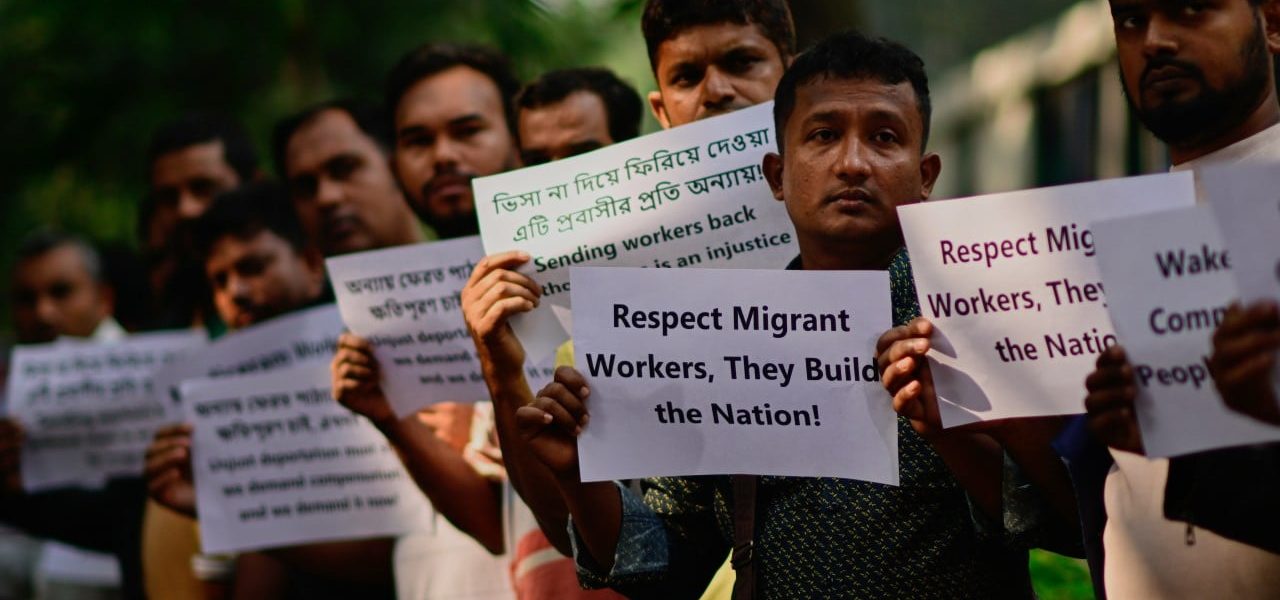
For years, Malaysian industries, particularly in manufacturing, construction, and agriculture, have relied heavily on a migrant workforce, with Bangladesh being a primary source. This reliance has created a substantial economic artery for Bangladesh through remittances. However, this system has simultaneously been a breeding ground for exploitation. Rights organizations consistently report on how workers often pay exorbitant fees to recruiters, plunging them into debt before they even leave Bangladesh. Upon arrival in Malaysia, some face conditions that differ drastically from their employment contracts, including underpayment, lack of suitable accommodation, and even passport confiscation, effectively trapping them.
These systemic issues have prompted migrant rights groups to demand that both governments implement more robust oversight and protection mechanisms. They argue that simply increasing the quota for workers without first tackling these deep-seated problems would only exacerbate the suffering of an already vulnerable population. Instances of workers becoming stranded in Malaysia, unable to work or return home due to contractual disputes or revoked visas, remain a critical concern.
Malaysia, for its part, has occasionally paused the recruitment of foreign workers in response to public and international pressure over these conditions, or in an effort to prioritize local employment. The balancing act for Kuala Lumpur involves maintaining its industrial output and addressing labor shortages, while also adhering to international labor standards and safeguarding the rights of all workers within its borders. Similarly, Bangladesh faces the pressure of finding employment opportunities for its large, youthful population, making remittances from overseas workers a vital component of its national economy.
What This Means
Prime Minister Rahman’s direct appeal signifies a clear intent by the new Bangladeshi administration to reactivate and potentially expand a critical avenue for employment and remittance generation. For Malaysia, accepting this request without substantial reforms to its recruitment and labor protection frameworks risks drawing renewed criticism from human rights advocates and international bodies. The conversation between the two leaders highlights a classic dilemma: economic necessity often clashes with worker welfare. Any move to ease hiring curbs without concurrent, transparent measures to address recruitment ethics and worker conditions could perpetuate a cycle of abuse. This puts the onus on both governments to not only facilitate labor migration but to ensure it’s ethical, fair, and safe. The response from Anwar Ibrahim will indicate Malaysia’s immediate priorities, whether they lean towards addressing labor shortages swiftly or taking a more measured approach that incorporates rights-based considerations.