

US Offers India Assurances on AI Access Amid Geopolitical Tech Divide
POLICY WIRE — New Delhi, India — A strategic reassurance has emerged from Washington, aimed squarely at India: the United States has conveyed that once advanced...

POLICY WIRE — New Delhi, India — A strategic reassurance has emerged from Washington, aimed squarely at India: the United States has conveyed that once advanced artificial intelligence models are provided, access won’t be abruptly rescinded. This commitment arrives in the wake of the US’s decision to ban Anthropic’s sophisticated AI models on national security grounds, a move that prompted questions among international partners regarding the stability of tech collaborations. (Reporting based on South China Morning Post)
The message, articulated by US officials, was conveyed to S. Krishnan, secretary of India’s… and subsequently reported by the South China Morning Post on Thursday. “There was an understanding, and something that they [US officials] certainly mentioned, that access to technology, once it is provided, will not be cut off. I think that was an assurance,” Krishnan stated, indicating the significance attached to this guarantee by the Indian side.
This dialogue underscores the nuanced dynamics at play in the rapidly evolving global technology landscape. For India, a major recipient of US technology — and an aspiring global AI power, the reliability of access is paramount. The US ban on Anthropic, while framed within its own national security concerns, served as a potent reminder of the potential for sudden policy shifts to disrupt vital technological lifelines.
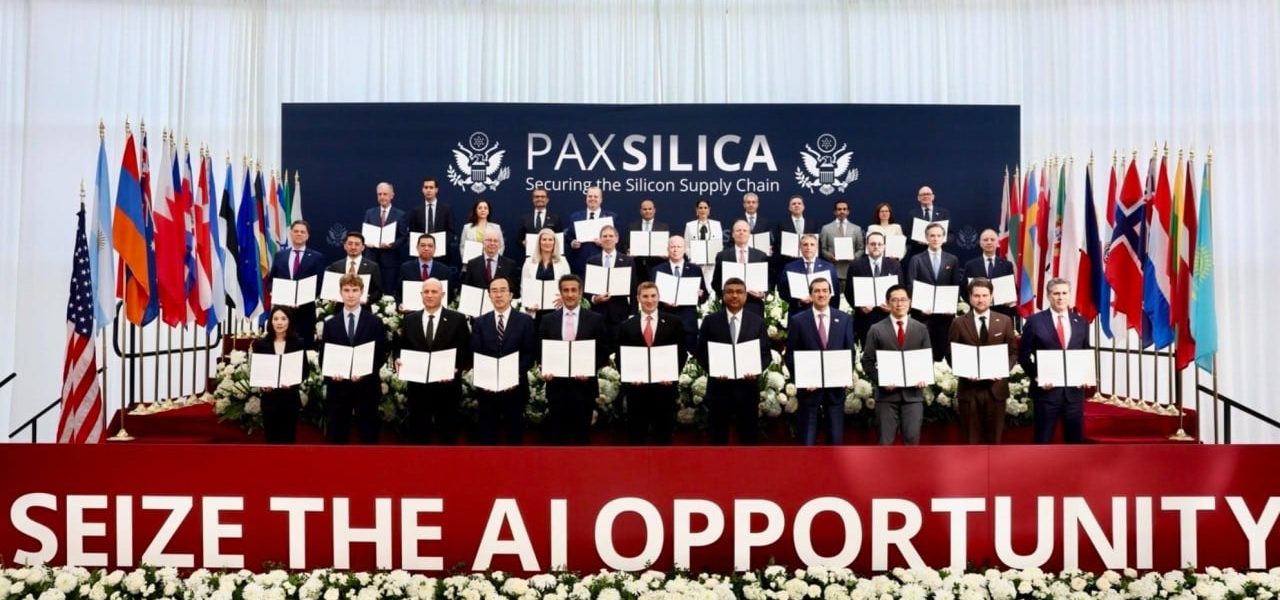
The context surrounding these assurances is multifaceted, reflecting Washington’s ongoing strategy to bolster technological alliances, often described as the ‘Pax Silica,’ — an effort implicitly aimed at countering China’s growing technological footprint. By solidifying relationships with key democratic partners like India in critical sectors such as AI, the US seeks to create a robust network of trusted technology flows, mitigating dependency on or proliferation of technologies from adversarial nations.
Such assurances are not merely about preventing a ‘kill switch’ for AI. They’re foundational to building deeper trust in the high-stakes realm of dual-use technologies. India’s ambition to become a major player in AI research, development, and application makes it a crucial partner in this strategic competition. Stability in technology supply chains, free from unpredictable interruptions, is a core demand for New Delhi, particularly as it seeks to innovate domestically while integrating global advancements.
The US finds itself balancing national security imperatives – which led to actions like the Anthropic ban – with the need to maintain predictable and robust partnerships. The implicit message to India is that while controls may be necessary for sensitive AI, these won’t jeopardize existing or planned technology-sharing arrangements with trusted allies.
What This Means
The explicit assurance from the US to India regarding sustained access to advanced AI technology marks a significant development in the broader geopolitical contest for technological supremacy. It signifies a strategic recognition by Washington that to truly foster the ‘Pax Silica’ and create a bulwark against perceived rival tech ambitions, consistency and reliability are as crucial as innovation itself. This moves beyond mere commercial transactions, embedding technology transfers deeply within the framework of national security and diplomatic alliances.
For India, these reassurances could unlock further confidence in engaging with US tech firms and research institutions, potentially accelerating its own AI initiatives without the lingering concern of arbitrary cut-offs. It also positions India as a more central player in a trusted global technology ecosystem, differentiating it from nations where such assurances might be lacking.
However, the question remains how thoroughly such ‘assurances’ can withstand future, unforeseen national security challenges. What happens when the lines between commercial AI — and state-level strategic AI become even blurrier? The incident with Anthropic models illustrates the volatility. This diplomatic exchange serves to mitigate immediate concerns, but the inherent tension between national control and global collaboration in cutting-edge AI will undoubtedly continue to shape international relations for the foreseeable future.