
Caracas Aftershocks: Quake Magnifies Venezuela’s Political Fault Lines
POLICY WIRE — Caracas, Venezuela — They say every tremor reveals cracks, and this time, Venezuela’s aren’t just in the buildings. An earthquake, claiming the lives of at least 235 souls and counting,...

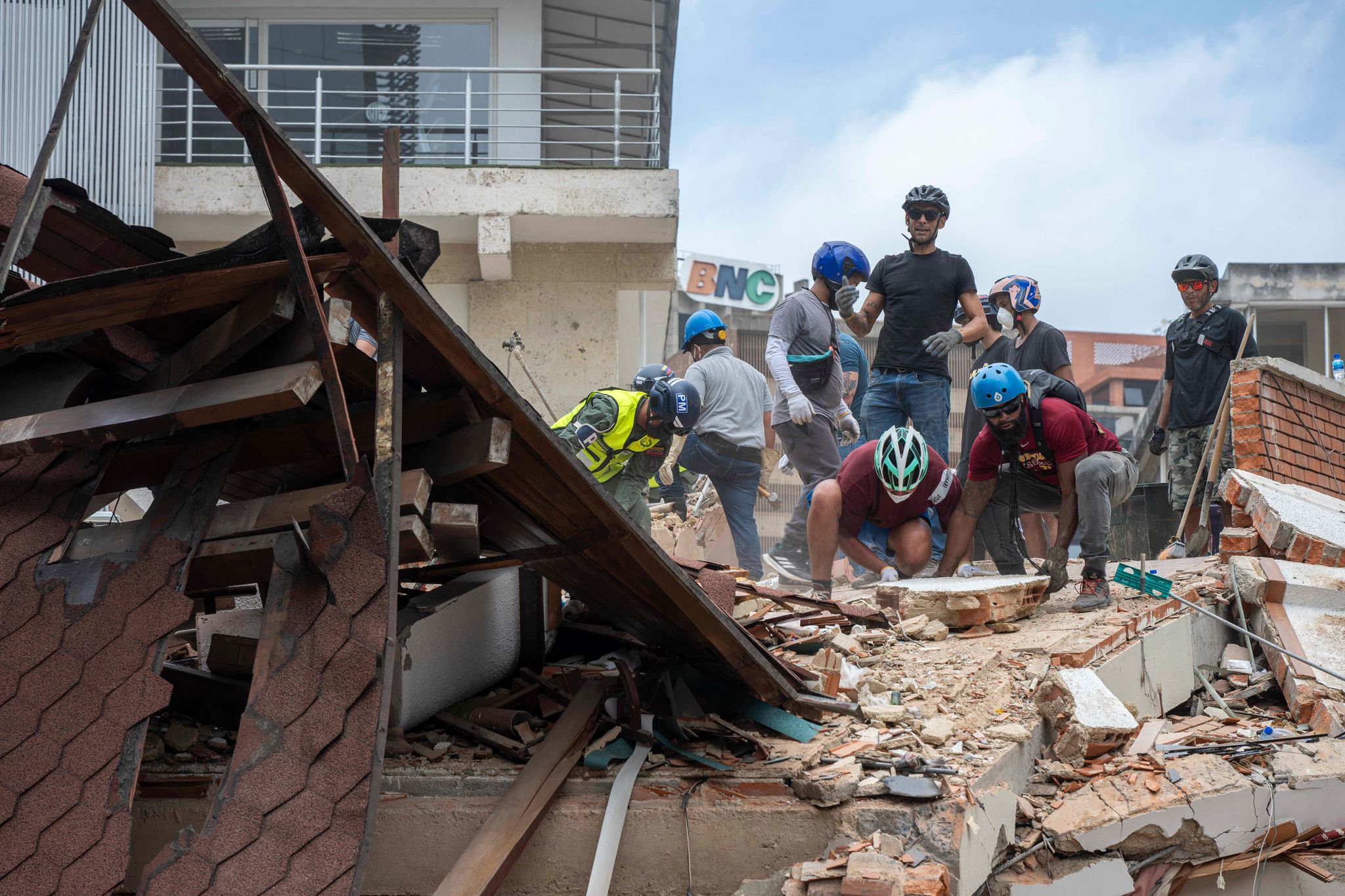
POLICY WIRE — Caracas, Venezuela — They say every tremor reveals cracks, and this time, Venezuela’s aren’t just in the buildings. An earthquake, claiming the lives of at least 235 souls and counting, isn’t just a humanitarian tragedy; it’s ripped wide the nation’s political and economic wounds. But it’s the structural damage, long brewing under years of international isolation and internal strife, that might prove harder to rebuild than the crumbled concrete.
It’s not just the earth that’s shaking, is it? The nation’s fragile infrastructure—a consequence of years of economic hardship and underinvestment—collapsed with sickening predictability. We’re talking hospitals ill-equipped, roads impassable, and communication networks stuttering, right when they were needed most. These aren’t isolated incidents; they’re symptoms of a systemic ailment. The initial casualty count, harrowing as it’s, merely scratches the surface of a society already stretched to its breaking point. Just consider this: the World Bank reported a staggering 75% contraction in Venezuela’s GDP between 2014 and 2021, a backdrop that makes any large-scale disaster response nearly impossible without external assistance. A grim testament to a nation hobbled before it ever truly fell.
President Nicolás Maduro, always keen to project an image of stoic leadership, didn’t waste a minute. “This is a moment for national unity, for patriotic duty, not for divisive politics,” he declared in a televised address, his voice grave but resolute. “We will rise from these ruins stronger, despite the malicious sanctions that seek to cripple us.” It’s a familiar refrain, one that usually accompanies any large-scale crisis – external enemies, internal resilience, but always a nod to the economic chokehold the country’s faced.
But those words often fall flat with a populace that feels the ground beneath them literally and figuratively giving way. María Corina Machado, a prominent opposition figure, minced no words. “Our people are burying their dead with their bare hands while the government manages photo opportunities,” she stated bluntly. “Where is the real international assistance? It’s not just a logistical problem; it’s a political one, rooted in a regime that systematically rejects transparent oversight for humanitarian aid.” And she’s got a point. Because getting help in, coordinating it effectively—it’s always been an obstacle course for humanitarian groups, hasn’t it? (The regime has a history of tight controls.)
This humanitarian catastrophe quickly became a diplomatic hot potato. International aid, as always, is conditional, wrapped up in geopolitical bargaining chips. Countries that might typically rush in with support find themselves navigating Caracas’s complex and often obstructionist bureaucracy, coupled with the existing network of U.S. and European sanctions. But even nations with complicated ties to the West have offered support. Islamabad, for instance, known for its significant experience in earthquake relief—being in a seismically active region itself—reportedly extended an offer of technical expertise and immediate assistance, contingent, of course, on Caracas’s willingness to accept it under international monitoring. This offer highlights the global south’s shared vulnerabilities, yes, but also the varied diplomatic paths through which aid (or the lack thereof) flows, particularly for politically charged crises like Venezuela’s.
What’s next? More aftershocks? Quite possibly, both geological — and political. The regime’s capacity to manage such a widespread disaster will be scrutinized intensely—by its own people, by the opposition, and by a world often too quick to forget its troubles. But you know what else is exposed? The international community’s sometimes clumsy, often hesitant, approach to nations they consider pariahs, even when disaster strikes. They’ve got to find a way through the politics to the people.
What This Means
This seismic event doesn’t just reshape Venezuela’s physical landscape; it irrevocably alters its political terrain. First off, it exposes the brutal inadequacy of state services, a pre-existing condition exacerbated by hyperinflation and years of underinvestment. This sort of broad, catastrophic failure can either solidify public support for a struggling regime through shared suffering and nationalist appeals—Maduro’s strategy—or, far more likely, it can fan the flames of discontent into outright civic unrest. People aren’t stupid; they know when the system has failed them, repeatedly.
Economically, this tragedy delivers another crushing blow. Recovery costs will be astronomical, an impossible sum for an economy already in freefall. This means deeper reliance on international lenders or politically aligned nations, possibly tightening the geopolitical noose further. the handling of aid—who gets it, how it’s distributed—will inevitably become another weapon in Venezuela’s internecine political battles. It complicates efforts for any long-term stability in Caracas, adding humanitarian urgency to a power struggle already devoid of easy answers. International partners, especially those wary of the Maduro government, now face a dilemma: withhold aid and risk exacerbating a humanitarian catastrophe, or provide it and potentially legitimize a regime they otherwise seek to isolate. It’s a lose-lose proposition for many.
Finally, for nations like Pakistan, this Venezuelan crisis isn’t just news; it’s a stark reminder of their own vulnerabilities and the global imperative for disaster preparedness that often outstrips economic or political considerations. It’s also an opportunity for states typically on the receiving end of aid to show their diplomatic reach, offering assistance where it’s desperately needed, proving that even a complex geopolitical landscape can’t erase shared human challenges—even when their own borders present intricate diplomatic dances.